

February in Marin County holds a quiet kind of magic. The days become noticeably longer and a bit warmer. The hills are still emerald as the winter rain and air carry a crisp brightness between storms, and although the garden is seemingly asleep, it is humming below the surface. For gardeners in our county, this is a pivotal month. The groundwork for spring’s abundance begins now in the soft soil of late winter.
Here are some of the essential winter tasks to accomplish and get you back into your garden.
Take time to do bed preparation and cleanup
The winter rains create a softening of the soil and make it ideal for easier weed pulling.
This is a good time to amend the garden and raised beds with organic compost. Layer it to replenish nutrients lost in the winter rains. Lightly mix it into the top 6-10 inches of in-ground soil or 2-3 inches in raised beds, or add organic mulch to the top of your soil where it will serve as an additional food source for soil life.
It is time to cut down cover crops, if ready. Chop them into pieces and put them into your compost pile.
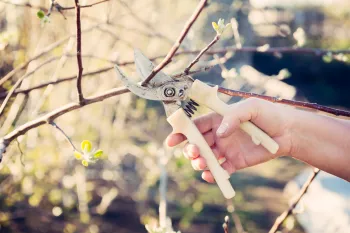
Prune with purpose
For deciduous fruit trees, February is one of the last great opportunities for dormant pruning. Apples, plums, pears, persimmons, and plums all benefit from careful shaping before bud break. Removed dead, diseased, or dying branches or branches that are crossing. Remove any water sprouts.
Opening the structure of the tree allows air and sunlight to move through the canopy. Pruning increases plant vigor, controls plant size, and can increase the yield of fruit, among many other benefits. Pruning can also reduce opportunities for fungal disease to grow in Marin’s coastal moist climate. For more detailed info on pruning, go to: https://ucanr.edu/ and search for “pruning”.
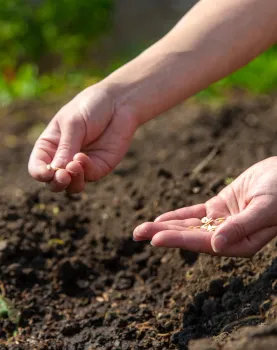
Plant your cool-season seeds and veggie starts
February marks the start of the early spring planting season for us in Marin. Sow seeds indoors for arugula, kale, onions, and peppers. Sow seeds outdoors for beets, carrots, chard, collard greens, leeks, lettuce, bunching onions, peas, potatoes, radish, spinach, and sunchokes. Transplant starts for bareroot artichokes, asparagus roots, fava beans, beets, broccoli, Brussel sprouts, cabbage, carrots, cauliflower, celery, chard, collard, kale, lettuce, leeks, onion starts, parsnip, peas, potatoes, radishes, rhubarb divisions, spinach, sunchoke tubers, Swiss chard, and turnip. For more detailed info on growing edibles, go to: https://ucanr.edu/ and search for “edibles”.
Plant hardy annual flowers
For a good, strong spring bloom, consider planting sweet peas, calendula, snapdragons, Iceland poppies, and larkspur. This will give enough time for roots to establish strong systems before warm weather hits.
Check for pests and fungus
February can bring with it cool, damp weather, which can lead to early emergence of snails, slugs, aphids, and powdery mildew. Inspect plants regularly and hand-pick snails, and use non-toxic insecticidal soap spray or organic insecticidal oil to reduce aphids. Prune parts of plants with fungus and create better air circulation, which can reduce fungal infections.
Plan for garden changes and additions
February brings with it a good time to look over the “bones” of your garden –the overall appearance of your plant material, furniture placement, and garden ornaments. It is time to assess what changes could be made to improve how it looks and feels. What new plants might add some pizazz to your color story, what new natives might entice beneficial insects, bees, and birds to your property, and what plant removals are overdue due to overgrowth and would make your property Fire Safe.
Check out UC Marin Master Gardeners YouTube channel for more ideas.
Enjoy this month of preparation, promise and subtle transformation while you step outside, breathe the cool air again and begin afresh.
By Jill Fugaro, February 21, 2026