
Gardener's checklist for spring
MARCH
Maintenance and prevention
- Chop up cover crop foliage into small pieces if you grew a cover crop. Turn under or add the clippings to your compost pile.
- Replace path mulches that have been washed away by heavy rains.
- Apply two to four inches of mulch where existing mulch is thin or soil is bare, especially around newly planted trees and shrubs. Keep mulch back a minimum of 3 inches from tree trunks and 6 inches from perennials to discourage pathogens.
- Inspect irrigation system for leaks and non-functioning emitters and sprayers. Make any needed repairs or changes.
- Protect sensitive plants from cold injury when frost is predicted. Late frost is possible.
- Sharpen pruning shears and other garden tools as needed. Clean and disinfect your pruning shears after use. Finish with a light coat of oil to protect the blades.
- Eliminate standing water in gutters, drain pipes, and flowerpots to deter mosquitoes.
- Clean winter debris from ponds, fountains, and bird baths.
- Deadhead spring blooming bulbs. Leave the foliage in place to wither naturally and reenergize the bulb for next year.
Planting and propagating
- Shop for rhododendrons, camellias, and azaleas while they are in bloom.
Cutting and pruning
- Prune freeze damaged plants after all chance of frost has passed.
- Prune fuchsias after chance of frost passes.
- Finish pruning roses and planting new roses.
- Clean up dropped leaves and old mulch around pruned roses.
Pests and weeds
- Handpick snails and slugs after dark or apply pet-friendly bait.
- Be diligent about pulling weeds before they set seed.
- Apply one to four inches of mulch around plants and on bare areas of the garden to suppress weeds and help retain soil moisture as winter rains subside. Keep mulch away from the crown of plants.
- Water in early morning if irrigation is required, to prevent foliage staying wet overnight. This can attract snails and slugs and cause fungal diseases.
Feed and fertilize
- Test soil for pH, nitrogen (N), phosphorus (P), and potassium (K), and apply appropriate organic fertilizer.
- Apply compost or organic all-purpose fertilizer to trees, shrubs, and perennials, especially those that were planted last fall.
- Repot houseplants and give them their first feeding. Spring is the best time.
- Feed citrus trees with organic fertilizer if needed.
- Fertilize azaleas, camellias, and rhododendrons with an organic fertilizer after they have bloomed.
Edibles
- Prepare beds for planting.
- Hang codling moth traps in apple, pear, and plum trees.
- Plant starts of arugula, asparagus, broccoli, cabbage, cauliflower, celery, chard, collard greens, kale, leeks lettuce, bunching onions, peas, and rhubarb.
- Learn more about crops to plant in March and other activities in the edible garden.
APRIL
Maintenance and prevention
- Troubleshoot irrigation system for missing or clogged emitters and broken spray heads.
- Begin irrigation as rainy season ends.
- Mulch around new plants to suppress weeds and retain moisture.
- Renew mulch around existing plantings. Keep mulch clear of stems and trunks.
- Clean winter debris from ponds, fountains, and bird baths.
Planting and propagating
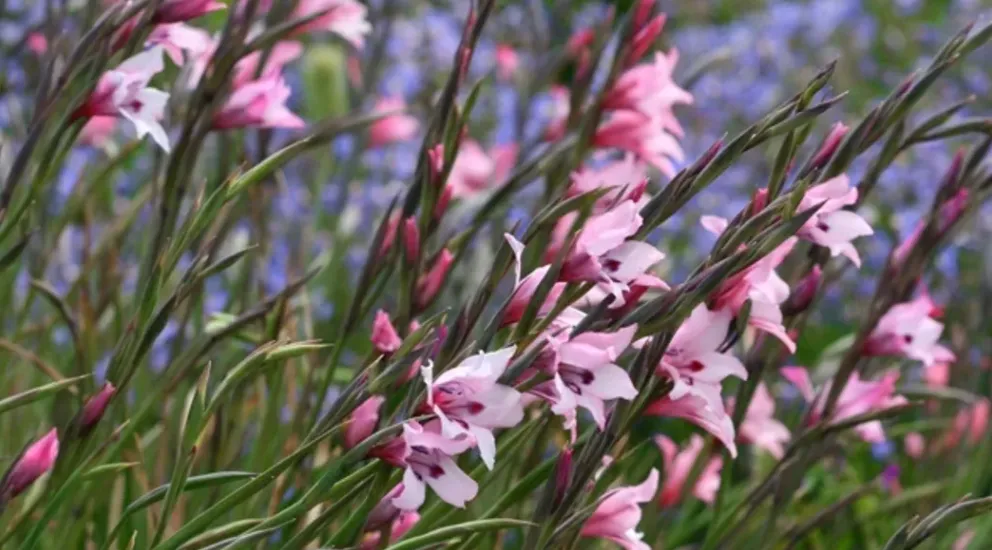
- Plant summer bulbs, corms, and tubers, such as callas, cannas, dahlias, gladiolus, and tuberous begonias.
- Take softwood cuttings of trees and shrubs that have flowered.
- Sow seeds of summer to fall blooming annuals. Keep planting beds moist.
- Plant a tree or shrub for Earth Day or National Arbor Day.
Cutting and pruning
- Prune back herbaceous perennials such as salvia to promote plant bushiness.
Pests and weeds
- Check often for aphids on tender new plant growth. Remove infestations with a hard spray of water or insecticidal soap.
- Handpick snails and slugs after dark or apply pet-friendly bait.
- Be diligent about pulling weeds before they set seed.
- Avoid using pesticides that may harm beneficials that feast on aphids, mites, whiteflies, and other insects.
- Keep an eye out for early signs of insect infestation—blast any you see with a garden hose.
- Set yellowjacket traps at the perimeter of the yard (not near eating areas) to discourage yellowjackets from visiting.
Feed and fertilize
- Feed lawn with a slow-release organic fertilizer.
- Renew container plants by adding a slow-release organic fertilizer or repotting in fresh soil.
- Fertilize spring bulbs after bloom using an organic fertilizer. Remove dead flowers but not the leaves until they wither.
- Fertilize citrus if needed, using an organic fertilizer.
- Apply chelated iron to azaleas, camellias, and gardenias if leaves are yellowing between the veins.
Edibles
- Move frost-tender seedlings and plants outdoors if weather permits. Harden off transplants before planting by gradually exposing them to outdoor conditions.
- Thin fruit on apple trees.
- Plant arugula, broccoli, celery, cucumber eggplant, ground cherries, kale, leeks, lettuce, bunching onions, peppers, pumpkins, squash, and tomatoes. Use crop extenders (covers) for heat loving crops.
In cooler areas, plant cabbage, cauliflower, chard, collard greens, spinach, peas. - Learn more about crops to plant in April and other activities in the edible garden.
MAY
Maintenance and prevention
- Check hose fittings for spent washers and leaks. Ensure hose has a shut off valve or other water conserving feature.
- Aerate and fertilize lawn areas using an organic fertilizer. Re-seed bald patches and start mowing warm-season turf.
- Replace any undesirable plants in containers and replenish soil, mixing in compost. Inspect for root rot (favored by excessive water and poor drainage).
Planting and propagating
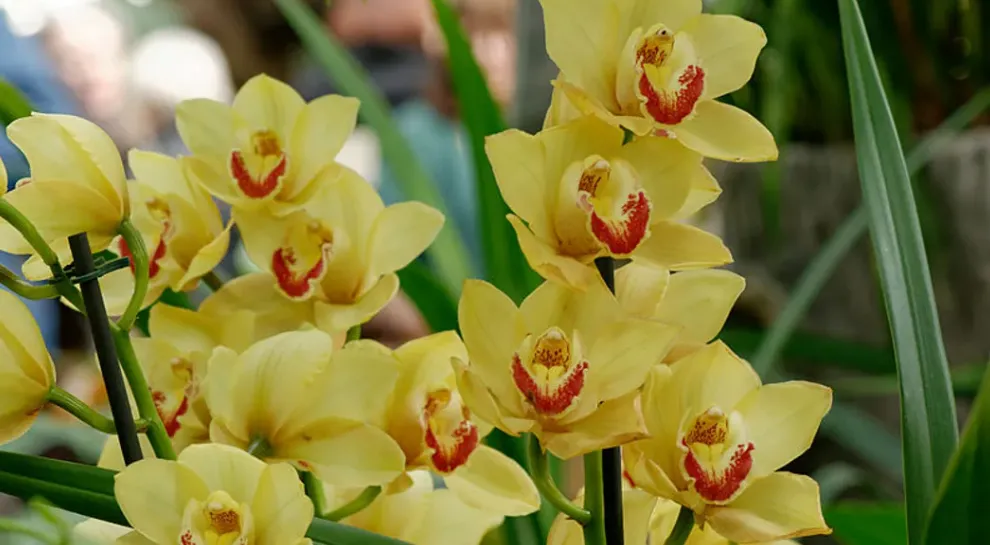
- Repot cymbidium orchids if they have outgrown their containers or if the planting medium has broken down.
- Continue to plant seeds of summer and fall blooming annuals.
Cutting and pruning
- Prune spring-flowering shrubs after bloom is past.
- Pinch back chrysanthemums and annual flowering plants to encourage branching and compact growth.
- Cut off spent flowers for continued bloom.
- Prune azaleas, camellias, and rhododendrons after they have finished blooming. Feed with a balanced organic fertilizer formulated for acid-loving plants monthly during the spring and summer.
- Prune pines.
- Remove canes that are growing inward on modern roses. This aids in air circulation. For old garden roses that bloom only once, do the major prune after the bloom cycle is complete. Pick up diseased leaves.
Pests and weeds
- Monitor and control snails, slugs, and aphids.
- Use beneficial nematodes to manage grubs in your lawn.
- Keep an eye out for early signs of insect infestation—blast any you see with a garden hose.
- Set yellowjacket traps at the perimeter of the yard (not near eating areas) to discourage yellowjackets from visiting.
Feed and fertilize
- Fertilize citrus if needed, using an organic fertilizer.
Edibles
- Move frost-tender seedlings and plants outdoors if weather permits.
- Harden off transplants before planting by gradually exposing them to outdoor conditions.
- Thin fruit.
- Remove remaining spring crops and prepare beds for summer crop.
- Plant beans, bunching onions, cucumbers, eggplant, ground cherries, kale, lettuce, melons, peppers, squash, and tomatoes.
- In cooler areas, plant arugula ,beets, broccoli, cabbage carrots, celery, and peas.
- Learn more about crops to plant in May and other activities in the edible garden.
The Mighty Crabapple
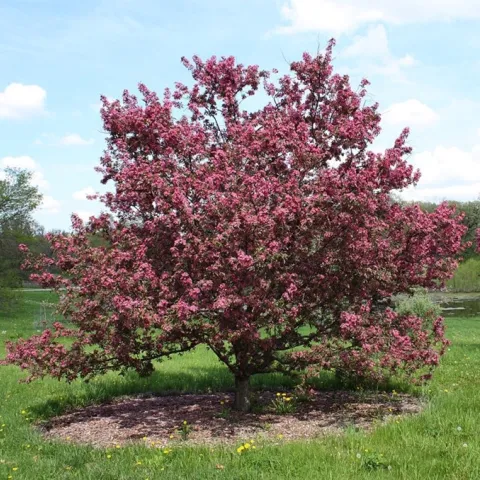
Few trees offer as much varied beauty as crabapples! These lovely trees are excellent additions to any landscape, offering year-round beauty as well as wildlife support. As a bonus, their fruit has culinary uses. Crabapples are relatives of the rose family and are native to North America, Europe, and Asia. As their name suggests, crabapples are close cousins of apples, but their fruit is smaller and more tarts. The name is thought to be derived from the Old English-Norse tern "scrab" in the 1400s, meaning rough and sour.
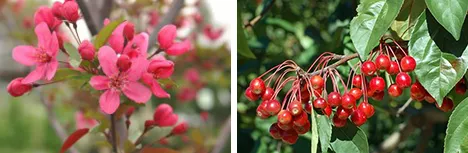
Crabapples are popular landscape trees
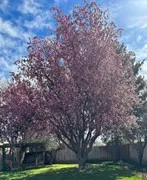
Crabapple (Malus) trees fill many roles in the landscape. They typically grow around 15 to 25 feet tall and wide, although there are shorter and taller cultivars. Their reasonable size is perfect for small gardens, and their innate beauty makes them striking accents in entry gardens and throughout the landscape. They also make excellent shade trees, providing dappled light rather than deep shade. Crabapples are low maintenance, drought-tolerant, and frost hardy. Minimal pruning keeps the trees shaped and healthy. If well cared for, crabapple trees have a long lifespan of 30 to 70 years.
Fabulous four-season interest
Crabapples are often chosen for their radiant all-season visual display. For many weeks in spring, they are loaded with dense white, pink, or red blossoms favored by pollinators. By June they are chock full of tart mini-apples for eating, preserving, and decorating. In fall the foliage turns a myriad of bright colors. Finally, in winter, the bare trees often have leftover fruit - a tasty snack for deer and birds such as robins and bluebirds.
Small, tart fruit is ideal for jam
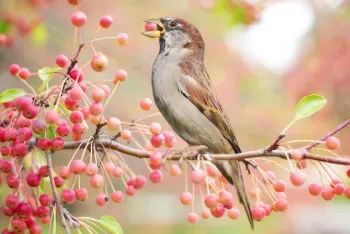
Red and yellow crabapple fruit ranges in size from small berries eaten by birds to miniature apples up to 2 inches in diameter. The official distinction between an apple and a crabapple is the 2-inch mark: anything larger counts as an apple. Crabapples tend to be far more sour than regular apples due to their high malic acid content, so they are best eaten in cooked and sweetened recipes, including mixed preserves with berries. Crabapples are also naturally high in pectin, and therefore they make exceptional jam.
How to grow and care for crabapple trees
Crabapples do not demand too much of the gardener. How’s how to grow and care for one of these wonderful trees.
- Choose a location with plenty of sunlight. Crabapples need at least six hours of sun per day year-round.
- Provide rich soil. Crabapples perform best in loamy soil with plenty of organic matter, but they are adaptable to other soil types.
- Assure good drainage. To avoid root rot, make sure water drains well where your crabapple is planted.
- Water regularly. For the first year after planting, water deeply once or twice a week. In our area, and depending on the cultivar, crabapples may become drought tolerant after one to three years of regular irrigation. However, deep, occasional supplemental water is recommended during especially hot, dry spells.
- Mulch. Apply a layer of mulch to help retain moisture, regulate soil temperature, and keep weeds down.
Considerations when choosing a crabapple tree
- Check chill hours. Like many other fruit trees, crabapples need a certain number of hours below 45° F to break dormancy and produce fruit. Most areas of Marin receive 800-1,000 chill hours, but this varies greatly from coast to inland areas and whether your crabapple is planted in a sheltered or exposed location. Make sure to choose a cultivar with an appropriate number of chill hours for your garden. If in doubt, choose a lower-chill variety.
- Carefully consider planting location. Some crabapple varieties drop fruit before it can be consumed by birds, which can create a slime layer on your patio or lawn. Additionally, the fallen fruit that is not cleaned up can attract wasps, rodents, and deer.
- Not all crabapples can be eaten (by humans). If you’re planting your crabapple for eating, make sure to choose a variety with a larger fruit size. Small-fruiting crabapples are useless for human consumption -- but are greatly enjoyed by birds and other wildlife.
- Think about disease resistance. Some crabapple cultivars are prone to apple scab, blight, mildew, and rust. It’s best to choose a disease-resistant cultivar and make sure your crabapple is getting enough sun and water to lessen the chance of disease.
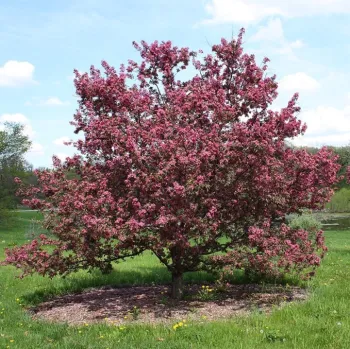
Some varieties of crabapple to consider
With up to 1,000 varieties of crabapples in the world, you can be sure that there is one for your garden. Here’s a list of crabapples that thrive in our area. See highlights below.
- Malus fusca (Pacific crabapple) is native to the Bay Area and as far north as Alaska. It is particularly easy to grow in our climate. These trees grow to 30 feet tall and 20 feet wide, but they can be kept smaller with pruning. Pacific crabapples bear fragrant light pink flowers in spring and orange fruit in summer that is delicious when cooked into jelly or raisins.
- Malus ‘Prairie Fire’ (prairie fire crabapple) is a popular selection. It bears purple-tinged foliage in summer and maroon fruit that persists into winter. The burgundy-red leaves and brilliant pink spring blooms are spectacular in spring. Grows 15 to 25 feet tall.
- Malus ‘Evereste’ (Evereste crabapple) is a disease-resistant choice that is often available as a dwarf, growing just 5 to 14 feet tall. It produces masses of fragrant white blossoms in spring and one-inch red fruit in summer that can be used to make jelly, pickled apples, or apple cider.
- Malus x ‘Royal Raindrops’ (royal raindrops crabapple) has magenta pink, fragrant blooms, purple-tinged foliage, and red fruit prized by birds. Grows 15 to 20 feet tall
- Malus x ‘Hargozam’ (harvest gold crabapple) bears stunning yellow fruit. Grows 20 to 25 feet tall.
Dreaming of Dahlias
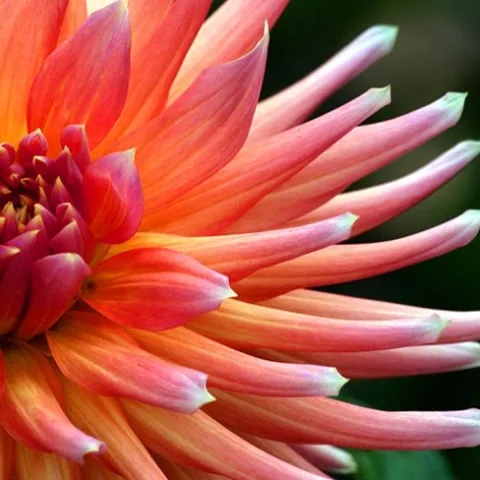

Looking for an easy-to-grow perennial that blooms summer through fall? How about one with flowers available in a rainbow of colors and that range from 2-inch pompoms to dinner-plate size? Dazzling dahlias at your service! These bushy plants are excellent choices in many landscape settings. Dainty white blooms lend a formal look, 10-inch blooms with spiky petals add a wild feel to the garden, and a pot by the front door filled with dahlias is a great way to spiff up an entry. Check out some common dahlia varieties.
Originally from the highlands of Mexico and Central America, the nutritious, starchy tubers were a food source for the Aztecs. While some tubers are still edible, the variety of hybrids, along with the use of pesticides and fungicides, make eating tubers safe only after thorough research. Better to enjoy the blooms. Today, the dahlia is the national flower of Mexico and the official flower of San Francisco.

What’s a tuber?
Whether you choose to plant in pots or in the ground, it’s important that you start with healthy tubers. Like bulbs, tubers are underground pods that contain the nutrients a plant needs to grow, survive, and reproduce. Healthy tubers should feel firm like potatoes – with no soft spots or strong, moldy odors. Local nurseries and plant societies carry a selection of dahlias, both as tubers, and later in spring, as established plants. For a wider range of options, search online. The biggest challenge you may encounter when growing dahlias is deciding which ones to grow! The variety of dahlias is staggering: there are only 42 species but more than 57,000 cultivated varieties.
What do dahlias need?
Marin’s climate is close to ideal for darling dahlias. They also benefit from:
- Six hours of sunlight every day. In extremely hot areas, go for morning sun and some afternoon shade.
- Healthy, well-drained soil. Dahlias do not like wet feet.
- Water two to three times per week for established plants; more during heat spells.
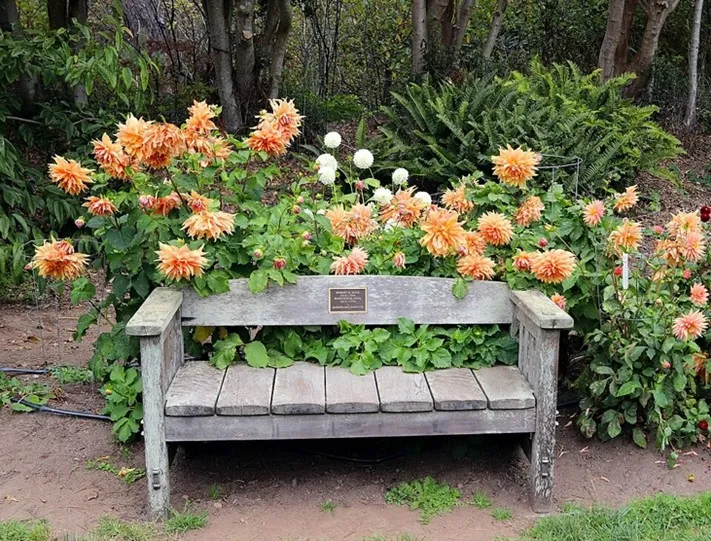
How to grow and care for dahlias
New to dahlias? Not a problem. Here’s how to add one or more dahlias to your garden.
- Plant tubers directly in the ground in spring after the last frost. Use a good quality planting mix, incorporating compost. Mix in an all-purpose, low-nitrogen fertilizer. Excessive nitrogen will lead to more foliage and fewer flowers.
- Dig a hole 4 to 6 inches wide.
- Place tubers horizontally on the soil with an eye facing up.
- Cover with 2 to 3 inches of soil.
- Allow 2 feet between plants for room to grow.
- Insert support stakes or a tomato cage if growing a tall variety. Install these as you are planting. This way you won’t injure any tubers by adding stakes later.
- Water lightly once the tuber is planted. Dahlias are very susceptible to rot at this stage. Once the plant starts to grow, water periodically.
- When three sets of leaves appear, pinch the center growth just above the third set. This will encourage a stronger, bushier plant that encourages more blooms.
- Deadhead regularly. This will help keep the blooms coming well into the fall.
- When temperatures drop, allow the leaves to yellow before cutting the plant down to about 4 inches. Dahlias will be fine left in the ground with our mild winters.
- Dig up the tubers every two or three years. Share with neighbors and/or use them to expand your dahlia bed. If you wait longer to dig them up, you’ll probably see the tubers poking up in the soil and the vigor of your plant will decrease.
Pests and Diseases
Don’t be discouraged by the list of possible problems below. Dahlias are actually quite easy to grow, and they provide an abundance of blooms to fill your vases and share with friends.
- Snails, slugs, and earwigs. You are most likely to see these pests when tasty young stems and leaves emerge. Pick these creatures off regularly or apply an organic pet- and wildlife-safe bait before they eat your young dahlias to the ground.
- Thrips and mites. Deadhead plants regularly to discourage these unwelcome visitors.
- Cucumber beetles. Hand pick early in the morning.
- Leaf miners. These pests disfigure leaves, but they don’t affect flowers. Remove infected leaves.
- Powdery mildew. This is a common nuisance to dahlias. Keep plants well-watered, fed, and encourage good air circulation. Remove infected leaves.
Learn more about dahlias
For further information, visit the American Dahlia Society and consider joining a local society. No growing space, but want to enjoy the flowers? There is no place better than Dahlia Dell in San Francisco, home to more than 700 varieties of dahlias. Peak bloom time is July thru September.
Lovely Lavender
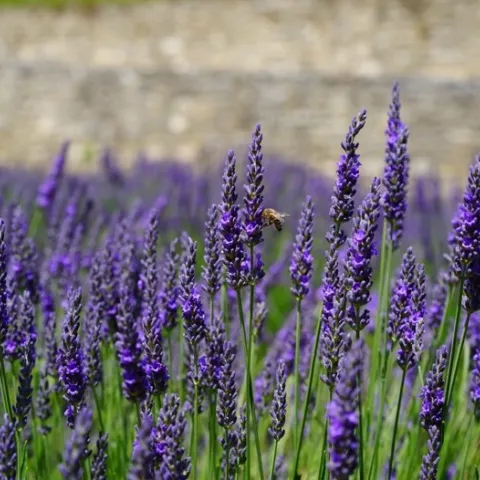
There are so many things to love about lavender! This versatile shrub provides colorful, prolific blooms in the garden and delightful fragrance to oils, soaps, potpourri, and sachets. It’s also helpful in the kitchen, whether in cooking or for adding a zing to herb mixes and beverages.
This dependable, drought-tolerant perennial has fragrant flowers and foliage and grows one to three feet tall. Depending on the cultivar, the flowers are purple, blue, pink, or white. Lavender is a good choice for borders along sidewalks, against a wall, in pots on a patio, or in raised beds or other containers. It is loved by pollinators but disliked by deer. Bees are the primary pollinator, but butterflies and moths also drop by for a visit.
Mediterranean beauty thrives in Marin
Long coveted for its fragrance, calming presence, and healing properties, lavender (Lavandula) has been used for more than 2,500 years in many cultures around the world. It is believed to have originated in Greece and is indigenous to the Mediterranean area including Europe, the Middle East, North Africa, and Cape Verde. The word “lavender” is derived from the Latin verb lavare, which means to wash.
How to grow and care for lavender
Lavender is a member of the mint family (Lamiaceae). It grows beautifully in Marin, preferring our hot and dry summers and cool and wet winters. It generally falls within USDA Zones 9a-9b and Sunset Zones 15-17 (coastal to inland). Here’s how to grow it for years of gorgeous, fragrant blooms.
Plant in spring or fall.
Plant in spring after the risk of frost has passed or in the fall so long as the roots have enough time to become established before the first frost. Dig a hole large enough so that the crown of the root ball is level with the soil surface, and space the plants so that they get good air circulation, typically about three feet apart.
Provide full sun.
Lavender grows best with six to eight hours of sun per day. If you have less than ideal conditions, your plant might have smaller or less profuse blooms. Lavender is heat tolerant, with many varieties even tolerating radiant heat.
Use well-draining soil.
Lavender is not picky about soil so long as it drains well. If your soil is heavy, moisture-retaining clay, be sure to amend it with organic compost before planting. As an extra precaution, plant on a mound to help aid drainage.
Encourage drought resistance.
Water regularly the first year to help get the roots established. After that, the plants only need a little water. Use drip irrigation and avoid overhead watering as it can damage the plant. Yellowing leaves are a sign of over-watering which can result in root and crown rot. Let the first three to four inches of soil dry out before watering.
Minimize fertilizer.
Lavender performs in nutrient-poor soil and therefore does not require a regular fertilizing schedule.
Prune after flowering.
Prune lavenders as you harvest flower stems. Prune only the supple new growth and shape into a tidy mound. Never cut into the woody part of the plant because lavender does not produce new growth from woody stems. Instead, to encourage repeat bloom, lightly trim after each bloom cycle. At the end of the season, cut Spanish or French lavender back by one-third and English lavender by one-half.
Harvest and store the crop.
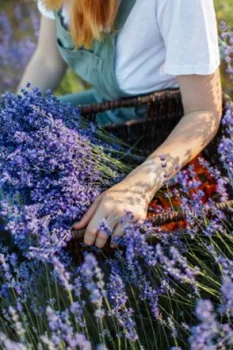
Harvesting of lavender for essential oils occurs when the flower heads are opening. Cut back the stem to just below the first set of leaves. To dry, hang in upside down bunches in a low light area with good air circulation. Once the flowers are dry, separate the florets from the flower heads and store in a glass jar for potpourri, culinary use, or crafts.
Check for common pests and problems.
Lavender is susceptible to crown and root rots, both of which are usually the result of too much water or poor soil drainage. Insect pests rarely bother lavender. Spittle bugs can occasionally be attracted to the blooms.
Three popular lavender species: French, Spanish, and English
These three varieties grow well in Marin.
French Lavender (Lavandula dentata)
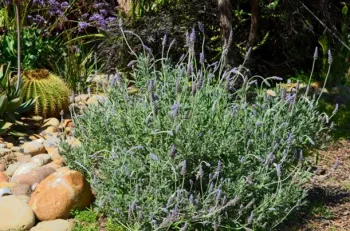
This species is known for its flowering spikes and striking toothed-leaf structure, which is more fragrant than the flowers. It blooms from spring to summer and can grow 3 to 4 feet tall and 4 to 6 feet wide. It has extra-strong fragrance and is therefore more often grown for essential oils rather than for culinary uses.
Spanish Lavender (Lavandula stoechas)
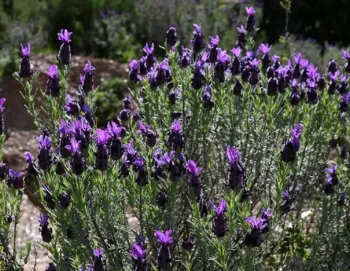
The flowers of this heat and drought-tolerant lavender are “bunny ear” bracts sprouting from the top of the flower spikes. It is one of the earliest bloomers, beginning in early spring and continuing into summer. If cut back, it may bloom again. Spanish lavender grows 1.5 to 3 feet tall and is available in a range of colors from white to dark purple. A reddish-purple variety called ‘Otto Quast’ is a particularly good variety for Zone 9b (Novato). Spanish lavender is not recommended for culinary uses due to its high camphor content, which gives it a stronger, sharper scent and a bitter taste.
English Lavender (Lavandula angustifolia)
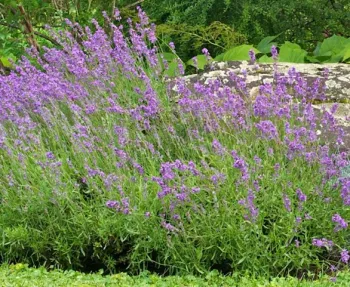
If you’re interested in growing lavender for use in the kitchen, this is the type you want to choose. The flowers are delicious in sweet and savory dishes, herb mixes, and beverages. English lavender is also a good choice for perfumes and sachets. It grows 2 feet tall depending on the variety and blooms in early summer and sometimes again in late summer into fall. ‘Royal Velvet’ is a popular variety known for its sweet fragrance and mild flavor. English lavender is an excellent dried flower as its blooms retain their color.