
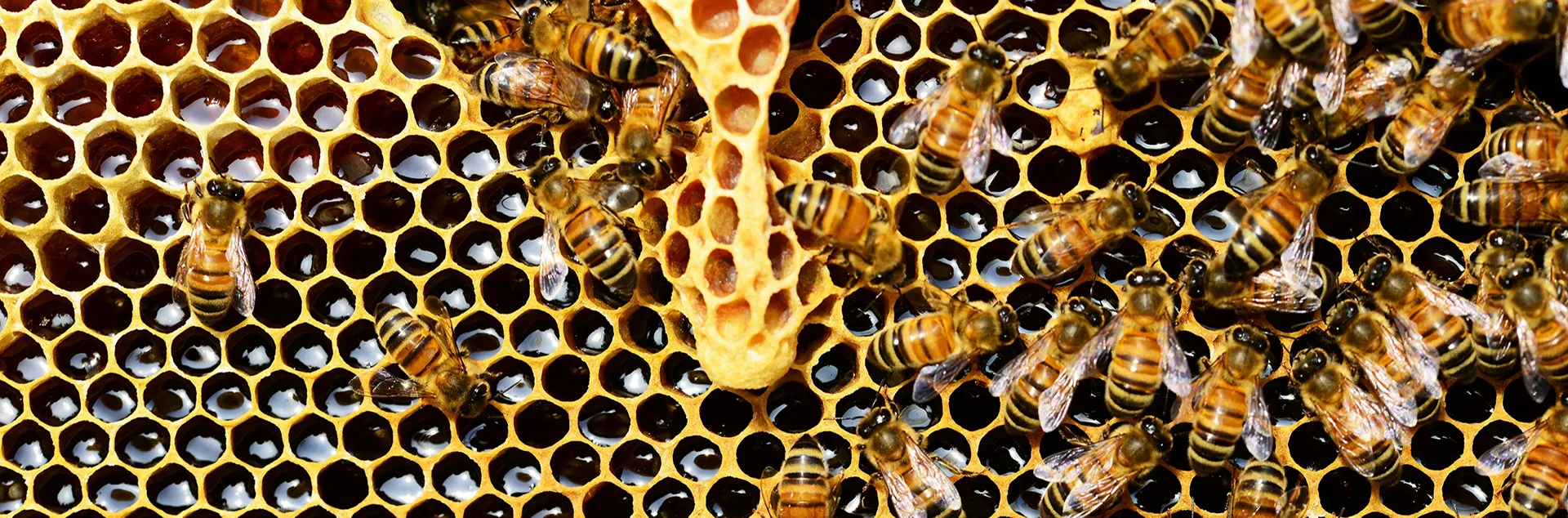

by Stephen Guglielmana
with the assistance of David George
Have you been tracking the plight of commercial honeybee hives around the country this past year? It’s frightening. As a beekeeper and UC Master Gardener volunteer, I have been painfully aware of rising national honeybee hive collapse statistics. As you read future honeybee articles, the following information may help put the current situation into perspective.
Here's a quick timeline history of honeybees:
- 100-50 million years ago, Flowering plants started to evolve, and bees joined their evolution alongside them,
- 9000 BCE - Bees appear in Spanish cave paintings,
- 2800 BCE - Bees appear in hieroglyphs, and honey is found in tombs of that era,
- 1620s - European honeybees were brought to North America by immigrants,
- 1850s - Honeybees introduced to the West Coast,
- 1852 - Reverend Lorenzo Langstroth of Philadelphia patents the modern commercial beehive.
Honeybees are agricultural livestock and are protected by federal law. Stealing a bee colony can result in federal charges. They were brought to North America by European farmers along with the fruits and vegetables that honeybees are known to pollinate.
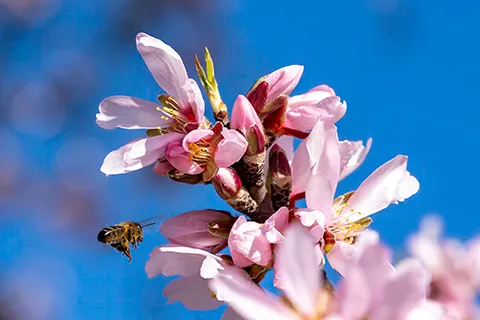
A good example of the critical relationship between honeybees and agriculture is the almond crop here in California. Each spring, 95% of the honeybee colonies in the USA are transported to California to pollinate almond flowers. Without the bees, almond trees might produce only about 10 lbs. of nuts, but about 100 lbs. per tree with pollinating bees. After almond trees bloom, beekeepers transport the hives to other fruit-growing areas to pollinate other crops, such as apples and peaches.
One of the current beekeeping problems is that these orchards and farms are all monocultures, without the diversity of flowers and pollen that bees need. About 20 years ago, the honeybee industry experienced its first colony collapse, sometimes referred to as the “death by a thousand cuts.” Researchers have found several possible causes for these collapses, and opinions differ on how to solve the problem. While these are beyond the scope of this article, it is worth noting that honeybee colonies have been declining at an average rate of about 30% per year ever since.
Until recently, beekeepers were able to quickly recover from lost colonies, but that may no longer be the case. Recovery is no longer guaranteed. The losses are outpacing what beekeepers can rebuild. This past winter, local beekeepers with 80-100 colonies reported that their hives are now experiencing 60-80% die-off (collapse). Beekeeper reports from the rest of the USA are just as alarming, indicating a 60-70% die-off rate this past year.
Early concerns point to extreme weather events as likely causes leading to malnutrition in hives. This troubling trend mirrors the recent trend in extreme firestorms, rains, and floods across North America. If this pattern persists, beehive collapse throughout North America this coming year will expand to the point where hive regeneration may not be possible.
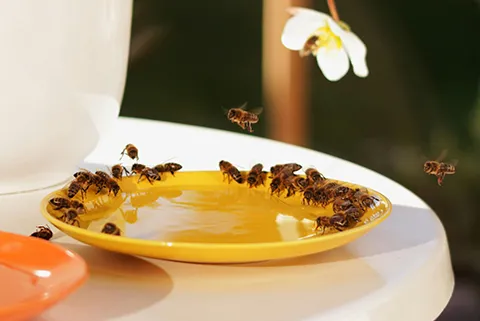
How can you, as gardeners, help all of the pollinators out there?
- Start by planting a variety of pollen- and nectar-rich species! These include herbs, native flowering species, and other flowering varieties.
- Eliminate the use of insecticides, especially neonicotinoids and other deadly honeybee poisons, in your garden.
- And provide a water source for pollinators.
Despite the doom and gloom, your garden can still be a place of joy—and a lifeline for honeybees. By planting pollinator-friendly blooms, avoiding harmful chemicals, and letting a little wildness in, you’re not just gardening—you’re helping a struggling species survive. It’s a hopeful, hands-in-the-dirt way to make a difference. And the best part? It’s beautiful, rewarding, and surprisingly fun.
Resources
- UC Davis Bee Haven: A Hidden Gem
and a delightful place to explore, where you can experience the beauty of bees up close and discover the plants that help them thrive.
https://ucanr.edu/blog/bug-squad/article/uc-davis-bee-haven-hidden-gem