
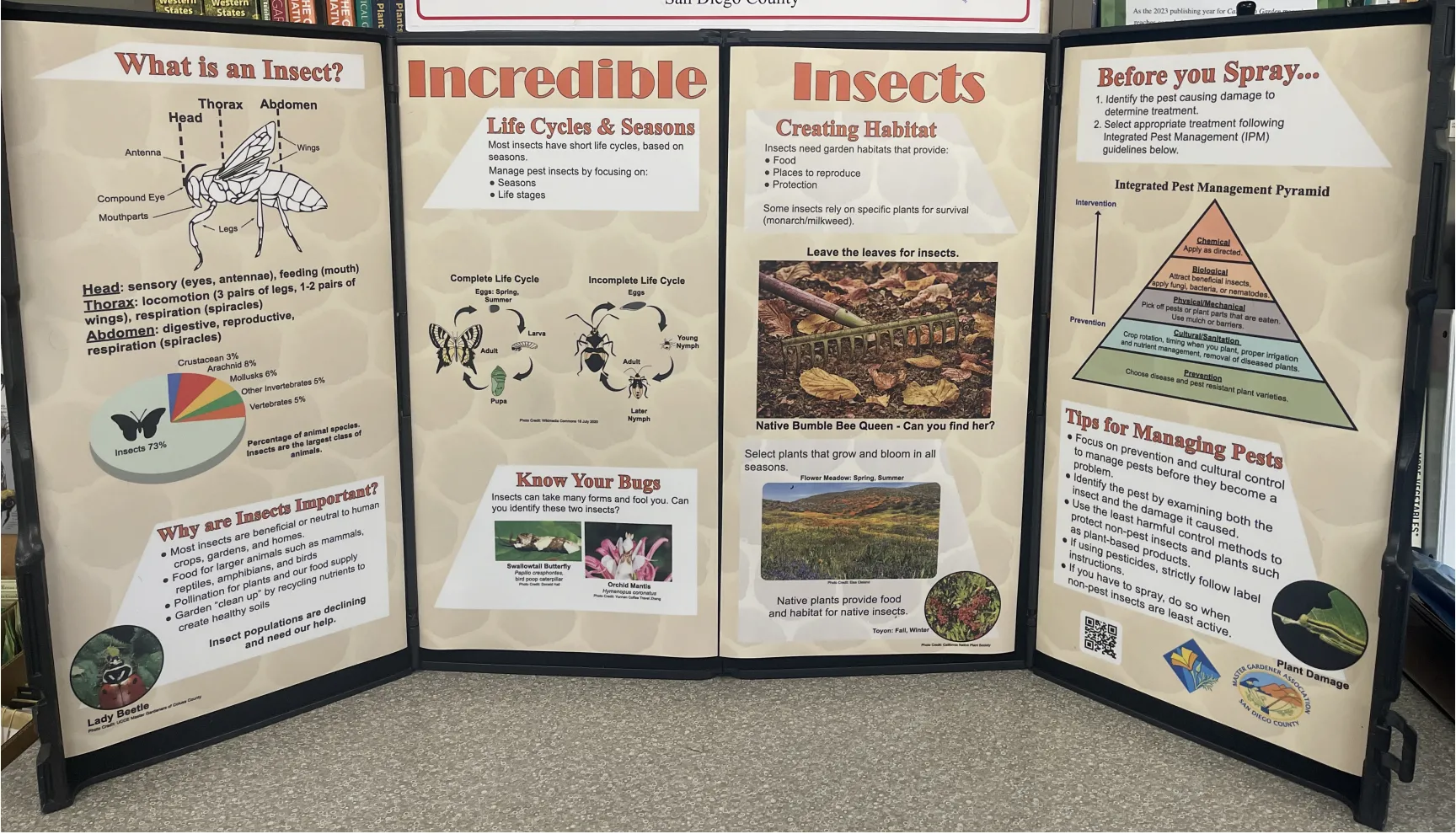
What is an Insect?
Insects, belonging to the class Insecta or Hexapoda, represent the largest group within the animal kingdom – insects represent 73% of animal species. Key features include segmented bodies, jointed legs, and exoskeletons. The insect body is divided into three parts: the head (bearing mouthparts, eyes, and antennae), the thorax (with three pairs of legs and usually wings), and the abdomen (containing digestive, excretory, and reproductive organs).
Insects are classified into different orders based on the structure of their head, thorax, and abdomen. Criteria include the structure of mouthparts, wings, legs, antennae, and genitalia. Other features such as bristles, sensory receptors, wing venation, and the type of metamorphosis are also considered for classification. There are approximately 1 million known species of insects, with estimates of millions more yet to be discovered.
Insects’ Life Cycle
Insect development varies, with some undergoing gradual changes from nymph to adult through molting (incomplete life cycle), and others undergoing complete metamorphosis with distinct larval, pupal, and adult stages. Insects undergoing the complete life cycle typically lay eggs in the spring and summer. All insects have short life cycles, based on seasons.
Insects are Seasonal
Most insects lay their eggs in the spring when plants are blooming, and food is abundant. In the summer larvae hatch and feed on plants. Autumn is when many larvae develop into pupae ad no longer feed. Other populations, like ants, start to die out. Winter finds most populations of insects are gone or dormant. Some, like native bumble bees, overwinter in leaf litter.
Knowing about insect life cycles helps you manage insects that feed on your plants. If it is late in summer, you can treat the insects by less harmful means because the population will soon decline naturally.
How are Insects Beneficial?
Insects play several critical ecological roles and hold significant importance in ecosystems.
Insects, along with bacteria and fungi, help decompose organic matter and contribute to soil formation and recycle nutrients by eating plant material. One example is the larvae of green fig beetles which eat decaying plant material in the soil, and recycle the plant nutrients. Soil organisms facilitate the carbon, nitrogen, and sulfur cycles, which are essential for plant growth.
Pollination
Many plants rely on insects for pollination. Bees, with approximately 20,000 species, are the most important insect pollinators, crucial for the reproduction of flowering plants and the formation of fruits and seeds. Insect pollination is vital for maintaining plant biodiversity and supporting agriculture by increasing crop yields and improving produce quality.
Food Chains
Insects serve as primary consumers of plants and are a food source for various predators, parasites, and scavengers. Lepidopterans (butterflies and moths) are significant in food chains due to their abundance and diverse feeding habits. Predators of lepidopterans include centipedes, spiders, mantids, and vertebrates like toads, lizards, birds, and bats.
Commercial Products
Certain insects provide commercially important products such as honey, silk, wax, dyes, and pigments, directly benefiting humans. The silkworm (Bombyx mori) and the honeybee are two of the most important domesticated insects.
Environmental Indicators
Insects can serve as indicators of environmental health, especially in streams and waterways. The presence and number of certain macroinvertebrate families can reflect water quality, making them useful for environmental biomonitoring.
Pests and Weed Control
Insects can cause considerable agricultural damage by devouring crops and conveying infective microorganisms. Conversely, some insects are beneficial for weed control. For example, the South American cactus moth (Cactoblastis cactorum) has effectively cleared vast areas of prickly pear cactus in Australia.
Managing Insects
It’s best to manage insects before they become a problem. Here’s some ways to do that:
- Identify what the pest is, either through observation or by types of damage.
- Use the least harmful method to protect plants and other beneficial insects
- If using pesticide, strictly follow label directions
- Spray when insects are least active.
- Select appropriate treatment following IPM (Integrated Pest Management) Guidelines.
Natural Pest Control
Certain insects act as predators and parasites of insect pests.
- Populations of insects are naturally limited by predators, parasites, and diseases.
- Some beneficial predatory insects, such as ladybugs, lacewings, mantids, and parasitic wasps, can be lethally or sub lethally poisoned by neonicotinoids when they consume aphids or other prey that have been feeding on treated plants or when they emerge from their eggs on such plants.
Less Harmful Ways to Remove Pests
- Remove damaged leaves
- Spray damaged area with water
- Plant resistant cultivars
- Keep plants healthy so they can withstand pests
- Use insecticidal soaps, Neem oil and chemical sprays if the above actions are not enough or damage is too great; be sure to follow directions on the container
Insects are important in your garden and help keep it healthy. Eliminating ‘pest’ insects means there may be no food for all the beneficial insects who help you, and are part of the larger food web.