Many potting soils become hydrophobictending to repel waterwhen they dry out, and are difficult to re-wet. Gardeners may see water draining out the bottom of a pot and assume that means that the soil is saturated.
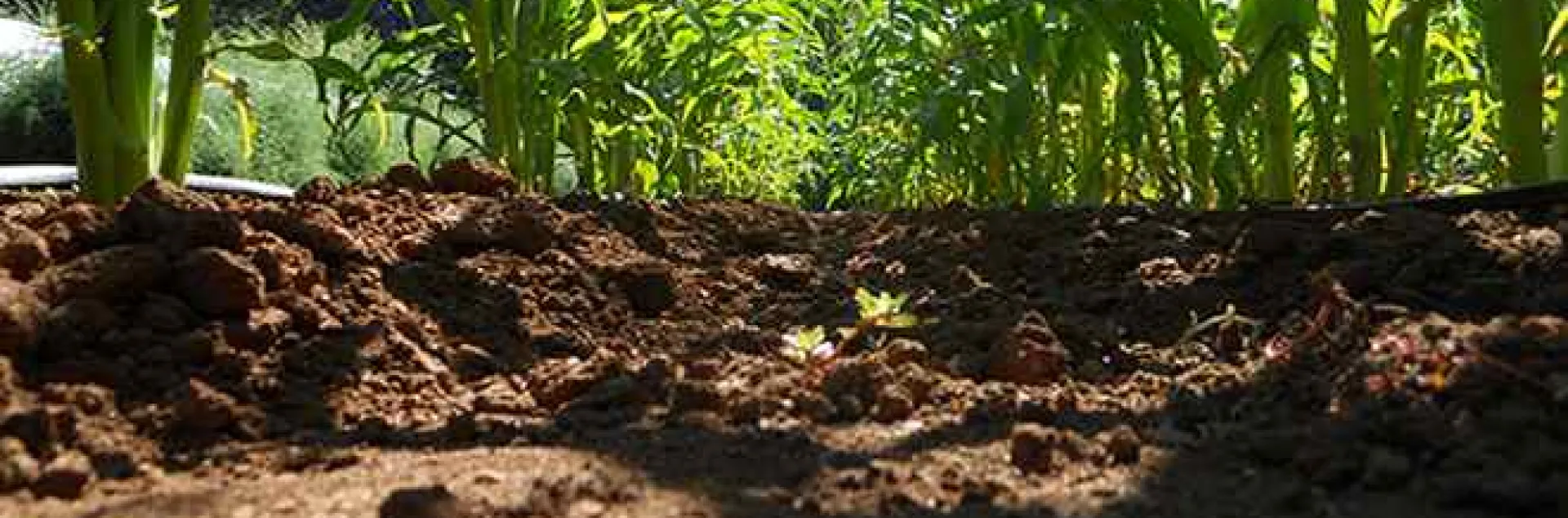
Soils vary greatly from one place to another, even in your own garden. No matter how much work you do in your garden, all may be in vain if the quality of your soil is poor. Listed below are some things you can do to get to know your soil.
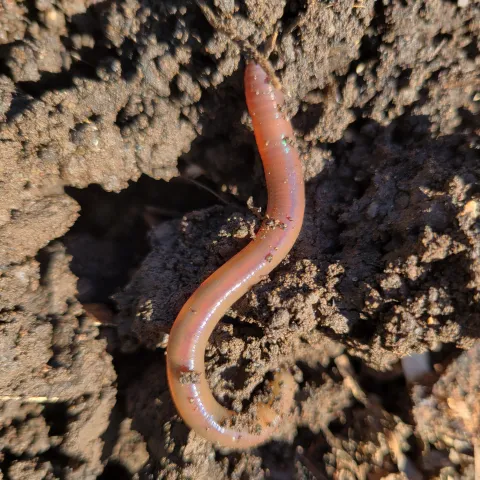
Earthworms are an excellent indicator of healthy soil. Photo, Sippakorn Yamkasikorn, Pexels Dirt and soil are NOT the same thing. Dirt is a lifeless mixture of minerals, air, and water.
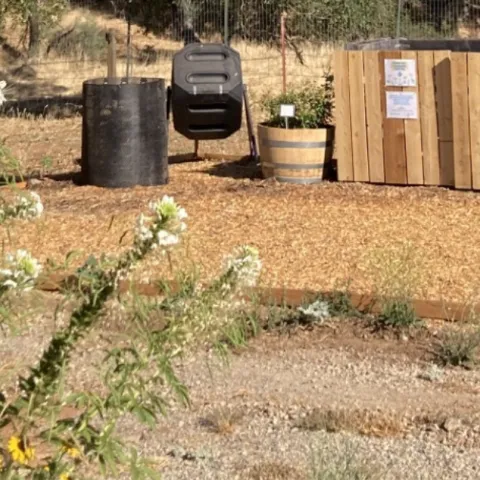
The real work of composting is done by a variety of underground inhabitants including earthworms, sowbugs, bacteria, fungi and other micro-organisms. Some you can see, but most you cannot.
Above 2000 ft. : prune deciduous fruit trees, cane berries Below 2000 ft.: prune grapes, roses, crepe myrtle. Paint trunks of bare root and young fruit trees to prevent borers and protect from sunburn. Use interior white latex paint with equal amounts of water and apply generously.
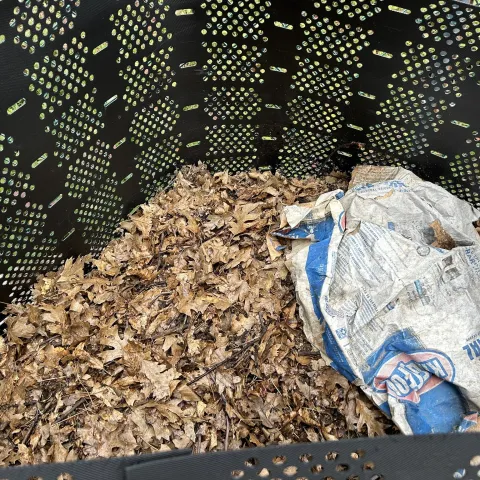
Once youve got healthy soil, keeping it that way is mostly about maintaining a desirable environment for the many creatures that live there. Here are some of the ways to keep your soil healthy. Allow leaves to decompose in the garden.
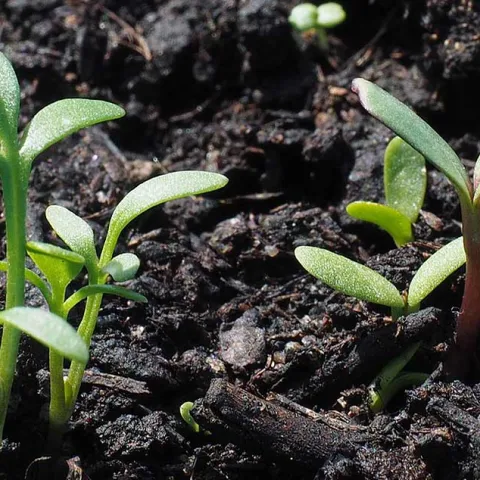
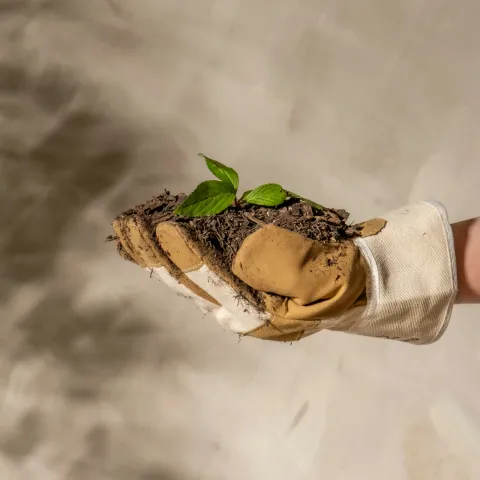
Photo: Lukas, Pexals Soil is a naturally occurring mixture of inorganic and organic ingredients with a definite form, structure, and composition, that varies from one location to another.