
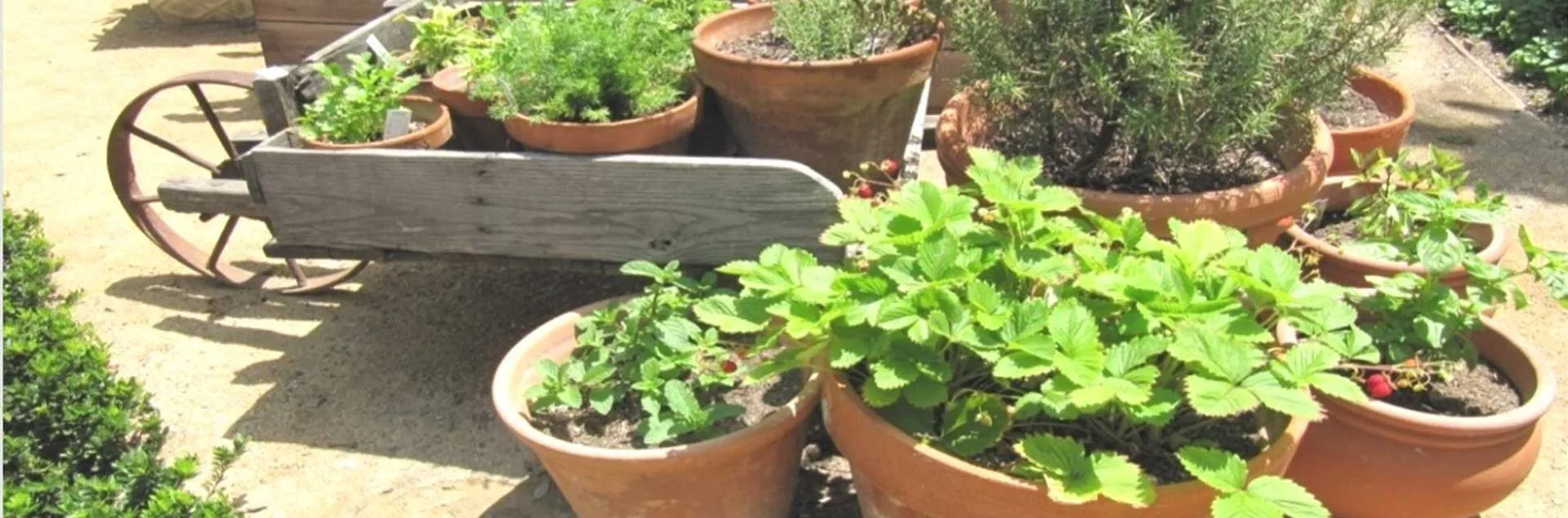
May in the Orange County Garden
While May is right in the middle of Spring, for many gardeners it is a month of struggles. Proximity to the coast can mean cool damp mornings for some areas and windy afternoons. Other areas might already be baking under the bright sun for most of the day.
Cool Season Vegetables
The good thing about having cooler mornings – and often days – is that cool season plants can continue to grow for the harvest and enjoyment of fresh lettuce and brassicas for another month. Plant a fresh round of lettuce is another opportunity – nurseries should still have some good varieties in stock. For those who have grown weary of greens and want to begin to transition into warmer crops, that is also an option.
Warm Season Vegetables
For seeds started later in the season or seeds planted in succession planting, now is the time to harden oƯ seedlings to adjust them to the outside conditions. During the first few days, take the seedlings outside and place them in a shaded location for a few hours. Gradually increase their sun exposure by taking them out for longer periods of time, eventually allowing them to spend the nights outside. Now they are ready to be transplanted to their permanent location, whether that is in the ground or in pots.
Raised Beds
Monitor the moisture level of the beds. It might mean making some adjustments to irrigation to get the settings just right. Consistent moisture helps plants thrive and develop strong root systems. A good layer of mulch on beds will help keep the moisture in and the weeds suppressed.
Citrus Trees
This is the active growing season for citrus trees. Fertilizing them boosts the growth and the taste of the fruit. Follow package directions. Too much fertilizer will simply run oƯ and head into the storm drains and out to the ocean. Honeybees are the pollinators for plants, so having a pollinator friendly garden helps support the ecosystem. Being familiar with the common caterpillar of citrus is helpful. Swallowtail butterflies use citrus trees as their host plant (the place where they lay their eggs). Caterpillars eat and grow the leaves until it is time to form their chrysalis. Having a balanced ecosystem is essential to the health of the garden.
Roses
Roses should be ready for their first prune of the season. Prune down to the first five-leaf grouping located on the branch. If roses need shaping of the growing area, now is a good time to do that too. Continue to feed roses as this is the peak of their growing season. Watch for aphids and thrips. Hose oƯ aphids with a strong spray of water or wait for the beneficial predators to come and make a meal of them. If thrips have begun to invade, it might call for use an insecticide for heavy infestations. At the coast, the battle will be powdery mildew or rust. Prune aƯected leaves, and ensure good air circulation and sunlight.
California Natives
Native plants tend to thrive longer here because of the cooler days, although they may begin dormancy. Most native species are self-cleaning, so there’s no need to prune even when flowers die oƯ. Adjust their watering schedule accordingly: native plants rely on winter rainwater and require little to no watering during summer. This helps maintain them in their best condition.
Annuals
May is a good month to add annuals to the garden. Pops of color bring pollinators and bees to the garden. Having some pots of annuals help “dress-up” the garden and make the space more enjoyable. Nurseries have lots to chose from and they are a simple way to add to the beauty of the garden no matter the size.