
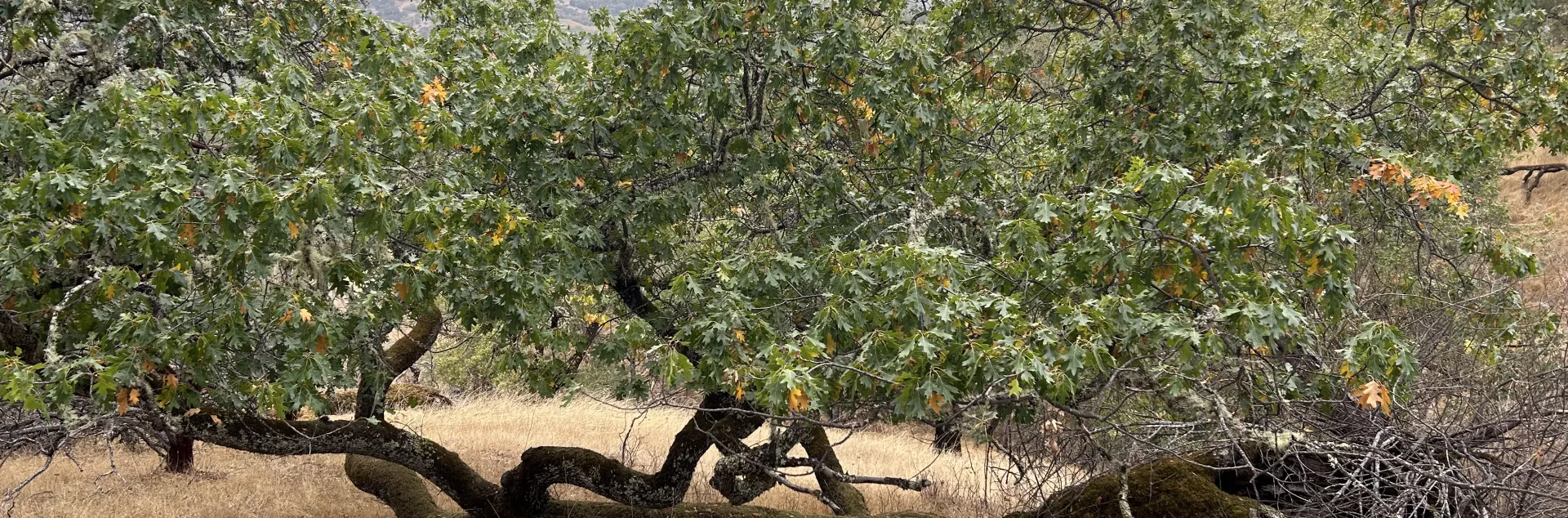
Below is information on the identification and ecology of eight common and important CA oak species.
Oak Species ID


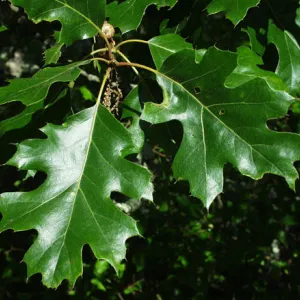

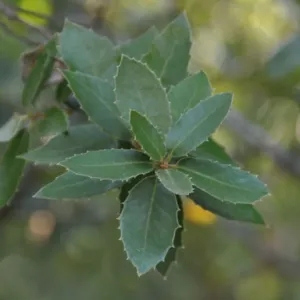
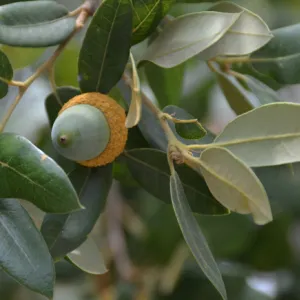


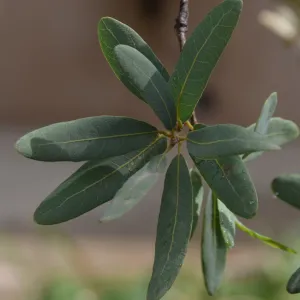


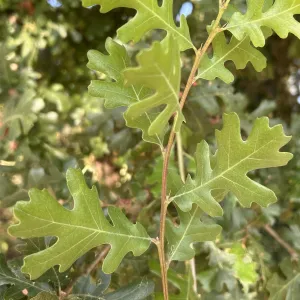

Thank you to Matt Ritter and Jeff Reimer from SelecTree for the photos of Engelmann and canyon live oak. All other photos by Michael Jones.
Oak Species Ecology
Blue OakScientific Name Quercus douglassii Hook. & Arn. Common Names Blue, white, mountain, rock, iron, post, jack, Douglas Foliage Decidious; 1-2 in. long and 1/2-2 in. wide; smooth or irregularly lobed edge; blue-grey or blue-green color Acorn Matures first year; 3/4-1 1/2 in. long; variable in shape, generally oval with gentle taper; cup shallow with warty scales Height Usually 20-60 ft.; tallest over 90 ft. Mature Tree DBH (Diam. at Breast Ht.) 1-2 ft.; largest over 6 ft. Longevity Long-lived, 175-450 yrs. Fire Tolerance Tolerates grass fires, but not hot brush fires Sprouting Variable sprouter; not vigorous on dry sites Shade Tolerance Seedlings slightly tolerant; tolerance decreases as trees mature Sites Hot, dry sites with rocky soil, 12-40 in. deep; can't compete with live oak on better sites Elevation 500-2,000 ft. in north; up to 5,000 ft. in south Associates Grades into open valley oak stands at low elevations; blends into denser live oak stands at higher elevations; foothill pine common Identification Notes Confused will valley oaks when leaves aren't present CNPS Alliance: Blue Oak Forest and Woodland Blue Oak Woodland & Wildlife Habitat Blue Oak-Foothill Pine Woodland & Wildlife Habitat USDA Forest Service Fire Effects Information Service: Blue Oak |
Image 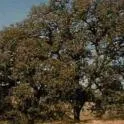
Image 
Image 
Image 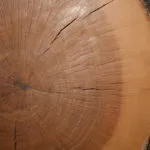 |
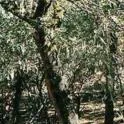
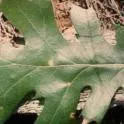
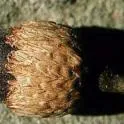
California Black OakScientific name Quercus kelloggii Newb. Common names Black, California black oak Foliage Deciduous; 5 in. long; 5-7 pronounced lobes; spiny leaf tips; dark yellow-green above and pale yellow-green below Acorn Matures second year; 1-1 1/2 in. long; oblong and somewhat squat; nut sits deeply in thin scaly cup Height 60 to 90 feet Mature Tree DBH (Diam. at Breast Ht.) 1 to 4 feet Longevity 100-200 yrs., occasionally up to 500 years Fire Tolerance Very sensitive to cambium being killed in hot fires Sprouting Excellent sprouter Shade Tolerance Intermediate tolerance as seedling and intolerant as tree matures Sites More common on forest sites; found on moister hardwood rangelands; well-drained soils Elevation 200 to 6,000 feet Associates Most common with tanoak, madrone, mixed conifer forest species;, also with coast live oak, interior live oak, and blue oak General Notes Protected by Forest Practice Act on timberlands; commercial properties for finished lumber California Black Oak - Calscape CNPS Alliance: California black oak Forest and Woodland Montane Hardwood Forest & Wildlife Habitat USDA Forest Service Fire Effects Information Service: CA Black Oak |
 |
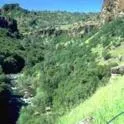
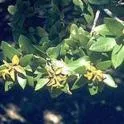
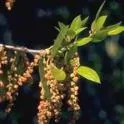
Canyon Live OakScientific name Quercus chrysolepis Liebm Common names Canyon live oak, canyon oak, gold cup oak, live maul, maul oak, white live oak Foliage Evergreen; 1-3 in. long; elliptical; shiny green above and pale blue-gray below with small golden or silvery hairs; both spiny or toothed margins (leaves near ground) and smooth margins (higher on the tree) forms on same tree Acorn Mature second year; 1-2 in. long; broad-based; cup is shallow, thick, and warty with distinctive saucer-shape Height 60 to 80 feet Mature Tree DBH (Diam. at Breast Ht.) 1-4 ft; largest over 5 feet Longevity Up to 300 years Fire Tolerance Sensitive to hot fires Sprouting Variable sprouter Shade Tolerance Tolerant of shade Elevation 300 to 5,000 feet Associates Found with mixed conifer, chaparral, and woodland species; tanoak, Douglas-fir, Pacific madrone, coast live oak Sites Most widely distributed oak in CA.; sheltered north slopes and steep canyons Identification Notes Both a shrubby and tree form; very dense wood CNPS Alliance: Canyon Live Oak Forest and Woodland Montane Hardwood Forest & Wildlife Habitat USDA Forest Service Fire Effects Information Service: Canyon Live Oak |
 |
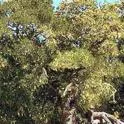
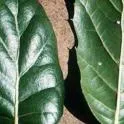
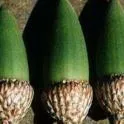
Coast Live OakScientific name Quercus agrifolia Nee Common names Coast live oak, California live oak, encina Foliage Evergreen; 1-3 in.; roundish to oval; tough and hard; cupped or spoon-shaped; margins are often spiny; dark and shiny above; dense tufts of hair along the middvein near petiole give the underside a dulled grey color Acorn Matures first year; 3/4 to 2-3/4 in. long; conical; cup over 1/3 of nut and covered with thin, overlapping scales; inside of cup lined with fuzzy hairs Height 20 to 40 feet; may reach 80 feet Mature Tree DBH (Diam. at Breast Ht.) 1-4 feet Longevity Long-lived, 125 to 250 years Fire Tolerance Very tolerant of hot fires due to thick bark Sprouting Very vigorous sprouter Shade Tolerance Shade tolerant throughout life Sites Common on valley floors or not-too-dry fertile slopes Elevation Below 3,000 ft. in north and up to 5,000 ft. in south Associates Forms pure stands; also grows with interior live oak and coast live oak Identification Notes Confused with interior live oak but rounded and cupped leaves CNPS Alliance: Coast Live Oak Forest and Woodland Coast Oak Woodland & Wildlife Habitat USDA Forest Service Fire Effects Information Service: Coast Live Oak |
 |
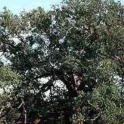
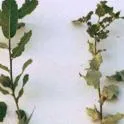
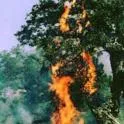
Engelmann OakScientific name Quercus engelmannii Greene Common names Engelmann, mesa Foliage Considered deciduous, but foliage may persist during winter; 1-3 in. long; thick and leathery; flat or wavy, with smooth and toothless margins Acorn Matures first year; 1 in. long; oval to cylindrical; rounded tip; cup covers 1/2 the nut and has light-brown, warty or pointed scales Height 20 to 50 feet Mature Tree DBH (Diam. at Breast Ht.) 1-2 feet Longevity 100-200 years Fire Tolerance Very tolerant of hot fires Sprouting Variable sprouter Shade Tolerance Seedlings tolerant, mature trees intolerant Sites Warm, dry fans and foothills Elevation Under 4,000 feet Associates In pure stands and with coast live oak General Notes Very limited range in southern California makes protection a high priority |
|
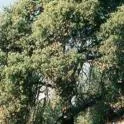
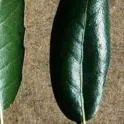
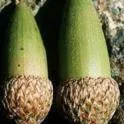
Interior Live OakScientific name Quercus wislizeni A. DC. Common names Interior live oak, highland live oak, Sierra live oak Foliage Evergreen; 1-3 in. long; thick and leathery; flat and elliptical; margins may be smooth, toothed, or spiny; dark green above and lighter yellow-green below; does not have the dense tuft of hairs along the midvein near the petiole observed on coast live oak Acorn Matures second year; 3/4 to 1 1/2 in. long; narrow and conical; nut sits deep in cup, which are covered with thin, overlapping scales Height Usually 30-75 ft.; shrub form 8-10 ft. Mature Tree DBH (Diam. at Breast Ht.) 1 to 3 feet Longevity 150 to 200 years Fire Tolerance Not very tolerant, but sprouts well after fire Sprouting Very vigorous sprouter Shade Tolerance Somewhat shade tolerant Sites Wide range, from valleys to foothills; moister areas than blue oak Elevation Below 2,000 feet in north and above 6,200 feet in south Associates In pure stands or mixed with blue and/or coast live oak, and valley oaks in So. California Identification Notes Confused with coast live oaks; distinguished by flat leaves CNPS Alliance: Interior Live Oak Forest and Woodland USDA Forest Service Fire Effects Information Service: Interior Live Oak |
|
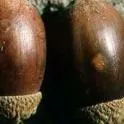
Oregon White OakScientific name Quercus garryana Dougl. Common names Garry oak, white oak, Oregon oak Foliage Deciduous; 4-6 in. long; broad, evenly and deeply lobed with rounded, spineless leaf tips; lustrous dark-green and pale green below with downy hairs Acorn Matures first year; large and rounded, the nut bulges out from the small cup, cup shallow with small scales Height 50 to 80 feet Mature Tree DBH (Diam. at Breast Ht.) 2-3 ft.; largest over 5 ft. Longevity 100-200 years Fire Tolerance Maintained in open stands by regular, low-intensity fires Sprouting Excellent sprouter Shade Tolerance Intermediate tolerance as seedling and intolerant as tree matures Sites Cool humid sites near coast to hot, dry sites inland Elevation 500-3,000 ft. Associates Douglas-fir and mixed evergreen forests; Pacific madrone and tanoak Identification Notes Can be distinguished from valley oak by acorns CNPS Alliance: Oregon White Oak Forest and Woodland Montane Hardwood Forest & Wildlife Habitat USDA Forest Service Fire Effects Information Service: Oregon White Oak |
 |
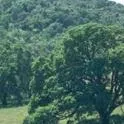
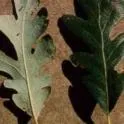
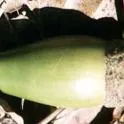
Valley OakScientific name Quercus lobata Nee Common names Valley, white, California white, mush, water, swamp, roble Foliage Deciduous; 2-4 in. long; blunt, sometimes deep, and irregular lobes; leaves matte dark green-yellow above and green-grayish below Acorn Matures first year; variable but large, with conical and tapered shape; cup over 1/3 of nut and warty Height 40 to 120 ft. Mature Tree DBH (Diam. at Breast Ht.) 1-4 ft.; largest over 8 ft. Longevity Long-lived, 200-250 yrs. Fire Tolerance Not tolerant of fires Shade Tolerance Seedlings somewhat tolerant, mature trees intolerant Sprouting Not a vigorous sprouterVariable sprouter; not vigorous on dry sites Sites Prefers fertile, well-drained bottomland soils, streambeds, and lower foothills Elevation 500-800 ft. in north; up to 5,600 ft. in south Associates Blue and Oregon white oak; sometimes interior live oak Identification Notes Confused with Oregon white oak but acorns pointed with warty cups; Seedlings not tolerant CNPS Alliance: Valley Oak Woodland Valley Oak Woodland & Wildlife Habitat USDA Forest Service Fire Effects Information Service: Valley Oak |
 |