
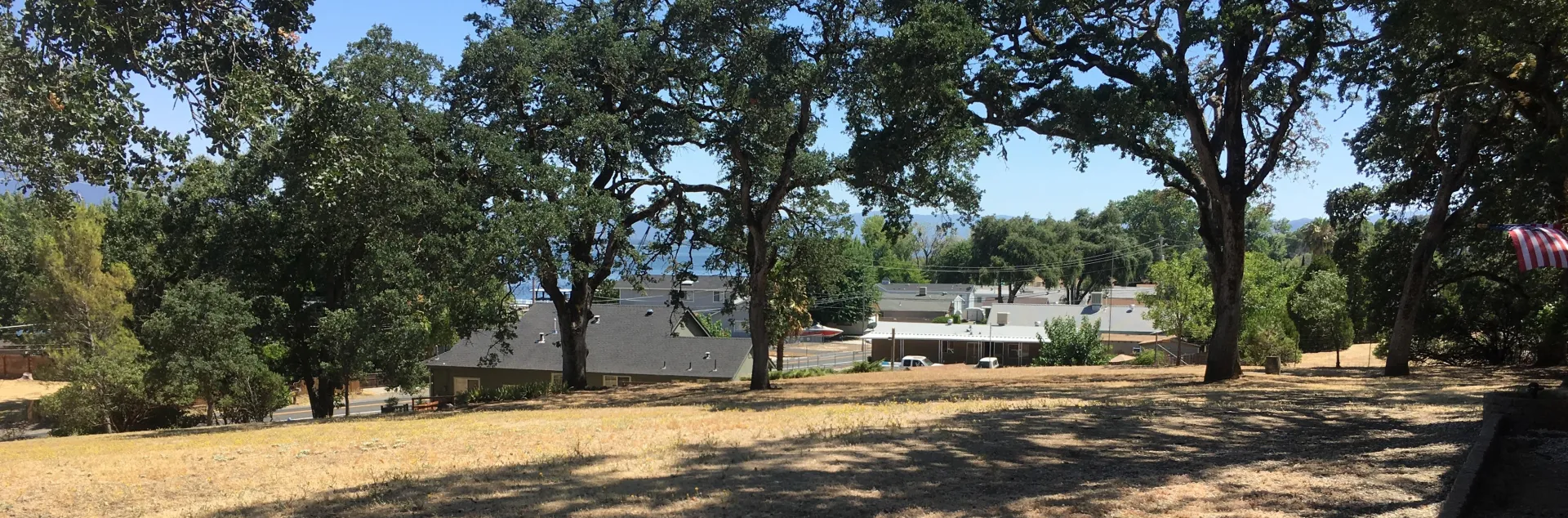
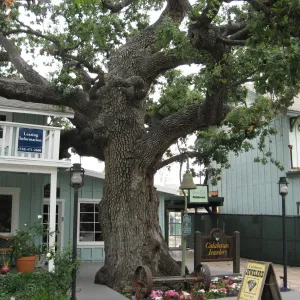
While the main focus of the IHRMP was to address oak and oak woodland conservation in wildlands, it became apparent right away that many people were also very interested in how to manage their oak trees in their backyards.
We believe this reflected the fact that oaks are extremely important to many people (with majestic individual trees often evoking emotions of near reverence), as well as the recognition that historically, many oaks around homes have been inadvertently damaged or killed by mismanagement. People therefore wanted to make sure they knew how to maintain their oaks in as healthy a condition as possible.
Living Among the OaksArchived 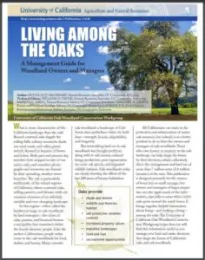 This publication contains helpful tips about how to prevent damage to oak roots, where and when to irrigate around oaks, what plants are best to plant near oaks, and what to do if a tree has been damaged by fire. By Douglas McCreary (2011) |
Oaks in the Urban Landscape: Selection, Care, and Preservation 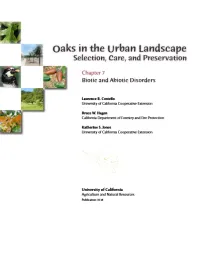 Another valuable resource regarding oaks titled, Oaks in the Urban Landscape: Selection, Care, and Preservation. The book has eleven chapters and contains a wealth of specific information about keeping oak trees healthy and prosperous. by Larry Costello, Bruce Hagen, and Katherine Jones Available through the University of California Agriculture and Natural Resources bookstore. The publisher has provided these sample chapters for your perusal. |
Plant List and Procedures for Landscaping Under Native Oaks of the Central Valley California native oaks such as the valley oak (Quercus lobata), blueoak (Q. douglasii)), interior live oak (Q. wislizenii), andcoast live oak (Q. agrifolia) are some of the most significant natural components of our California landscape. Besides beauty they provide a multitude of benefits, including wildlife habitat, shading, erosion control, wind protection, pollution reduction, and screening. Oak woodlands are sustainable landscapes, requiring a minimum of resources if successfully incorporated into new developments. Even with the most careful attention to the architectural design in oak woodlands, constructional alterations bring environmental changes that often lead to tree decline. By understanding the oak’s habitat,physiology, growth habits and response to environmental changes, we can design and manage landscapes near oaks which ensure their survival. By John Lichter and Ellen Zagory (1995) |