
Understanding how trees grow is essential to assessing the condition of the forest resources on a property and being able to steward it towards the landowner's desired condition. Trees participate in a competitive struggle with each other and other plants for water, sunlight and nutrients. Getting to know tree physiology, tree species and tolerances, and their competitive strategies is the critical first step in understanding how to steward a forest.
Tree Identification
There are many tree, plant, and animal identification field guides available as books or online. Read about some of the many California conifer species on their respective pages:
- Lodgepole pine (Pinus contorta)
- Ponderosa pine (Pinus ponderosa)
- White fir (Abies concolor)
- Sugar pine (Pinus lambertiana)
- Douglas-fir (Pseudotsuga menziesii)
- Coast redwood (Sequoia sempervirens)
- Giant sequoia (Sequoiadendron giganteum)
Vulnerable Plants
Although extinction is a natural process, the current rate of plant extinction around the world is one thousand times that which occurred before humans began to exert large-scale pressure on the world’s ecosystems. The major cause is habitat loss. Landowners with vulnerable plants on their property, or potential habitat for those species have a special opportunity and responsibility to safeguard unique species. Each species has its own unique needs and requires its own specialized management approach.
Typical management techniques may include:
- removing invasive plants
- excluding herbivores
- restoring drainage patterns to an area
- rerouting trails
- changing the timing of livestock grazing
- conducting prescribed burns
- other actions
Pest Plants
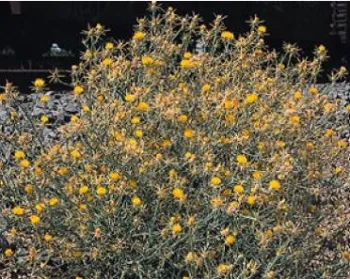
Exotic or non-native plants become pest plants when they aggressively invade natural ecosystems. Pest plants possess traits that help them outcompete natives such as abundant reproduction through easily dispersed seed or vegetative means, ability to quickly dominate disturbed sites, and rapid growth. Exotic pest plants can drastically alter basic ecological processes such as fire regimes, nitrogen fixation, and aquatic conditions to the detriment of native species. They may provide poorer habitat for wildlife and livestock than their displaced native counterparts and contribute to the decline of endangered plants. They also create large economic losses for agriculture by reducing livestock forage production.
Major pest plants in California include:
- Brooms (including French, Scotch, Portuguese, and Spanish)
- Gorse
- Yellow starthistle
- Cape ivy
- Tree of heaven
- Eucalyptus
- Pampas grass
- Tamarisk
- Purple loosestrife
- Giant reed
Prevention is the most effective and least costly way to avoid pest plant problems. Some common sense preventive precautions include:
- minimizing soil disturbance
- re-establishing vegetation quickly
- buying construction material from weed free suppliers
- inspecting the property to detect new weed populations while they are still small (when eradication can be practical and effective)
University of California Resources
- Forest Stewardship Series 5 - Tree Competition and Growth discusses tree growth dynamics and forest stand development.
- Forest Stewardship Series 13 - Threatened and Endangered Plants has more information on conserving vulnerable plant species.
- Forest Stewardship Series 14 – Exotic Pest Plants provides an overview on detection and management of pest plants.
- Weeds of California and Other Western States describes common weeds and provides management options.
- The UC Statewide Integrated Pest Management Program provides science-backed solutions for common pest problems in California.
More Resources
- The California Department of Fish and Game’s Natural Diversity Database is a resource that can help landowners undertake research to develop a list of species potentially occurring on their property. The Biogeographic Data Branch manages CDFW's data.
- The Inventory of Rare and Endangered Vascular Plants of California is published and maintained by the California Native Plant Society.
- The California Invasive Plant Council (Cal-IPC) website displays weed management areas and regional partnerships. Cal-IPC works to protect California's lands and waters from ecologically-damaging invasive plants through science, education and policy by working with agencies, industry and other nonprofit organizations to support research, restoration work, and public education.
- The USDA Natural Resources Conservation Service (NRCS) PLANTS database website provides standardized information about plants found throughout the United States.