Gardening

Primary Image
Green fruit beetle (Credit: Jack Kelly Clark)
Pests in the Urban Landscape: Article

Green Fruit Beetles or Japanese Beetles?

August 12, 2020
We've had many reports in the last two weeks from people asking what those big green, buzzing, beetles are. Green fruit beetles (Cotinis mutabilis) are members of the scarab beetle family and are sometimes known as fig beetles or figeater beetles. They are related to green June beetles (C.
View Article
Primary Image
Summer 2020 Retail Newsletter
Pests in the Urban Landscape: Article

Summer 2020 Retail Newsletter

August 10, 2020
The Summer 2020 issue of the Retail Nursery and Garden Center IPM Newsletter is now available online.
View Article
Primary Image
honey bee I-HY-AMEL-AD.020
Pests in the Urban Landscape: Article

Stay Away from Stinging Insects

August 6, 2020
The last weeks of summer are here and many are maximizing time outdoors, whether in yards, parks, or natural areas. As you enjoy the sunshine and perhaps a picnic, it is possible you may encounter different types of stinging insects such as bees and wasps.
View Article
Primary Image
Orange and yellow tomato on the ground, partially eaten by a rat.
Pests in the Urban Landscape: Article

Rats in the Garden

August 4, 2020
If you are growing tomatoes in your garden, you may not be the only vertebrate going for your hard earned harvest. Are rats feasting away in the garden? We have a couple resources we can share to help you reduce or prevent rat damage to your tomatoes.
View Article
Primary Image
Products containing carbaryl, like some Sevin products, won't be sold in retail nursuries and garden centers.
Pests in the Urban Landscape: Article

Carbaryl Becomes Restricted Material

July 29, 2020
By Karey Windbiel-Rojas, Belinda Messenger-Sikes
Starting August 1, 2020, all pesticides containing the active ingredient carbaryl will be designated as restricted materials in California, except for baits labeled only for agricultural use.
View Article
Primary Image
Unlabeled seeds from unsolicited packages.
Pests in the Urban Landscape: Article

Report Unsolicited Seeds to APHIS

July 28, 2020
Have you had unexpected seeds show up in the mail? Unknown seeds could be invasive plants, contain invasive insects, or have plant disease causing agents. Here's what the United States Department of Agriculture Animal Plant and Health Inspection Service (USDA APHIS) has to say about it.
View Article
Primary Image
Head lice adults, nymphs, and eggs (nits). [Credit: Dr. Shujuan (Lucy) Li]
Pests in the Urban Landscape: Article

Want Another Reason to Practice Social Distancing? Head Lice.

July 20, 2020
By Karey Windbiel-Rojas, Belinda Messenger-Sikes
Most people are practicing social distancing due to the current pandemic, so contracting head lice might not be a top concern right now. However, many families with young children have at least one encounter with head lice at some time or another.
View Article
Primary Image
Figure 1. A healthy backyard lawn. (Credit: C Reynolds)
Pests in the Urban Landscape: Article

Lawn Problems: Diseases Are Not Always To Blame

July 16, 2020
By Janet S Hartin
Your customers want their lawns to be beautiful and functional (Figure 1) but dead patches or other problems sometimes occur. Figuring out the cause of turfgrass damage can be a challenge since many plant pathogens affect grasses as well as numerous abiotic (non-living) disorders.
View Article
Primary Image
Figure 1. Disinfecting wipes contain different pesticide ingredients such as the ammonia compound shown here.
Pests in the Urban Landscape: Article

Using Disinfectants and Sanitizers Safely

July 14, 2020
By Karey Windbiel-Rojas, Belinda Messenger-Sikes
In order to stay healthy and keep our spaces clean during the COVID-19 pandemic, many people are using disinfectants and sanitizers more than they may have before.
View Article
Primary Image
Juvenile racoon (Credit: L Fitzhugh)
Pests in the Urban Landscape: Article

Masks and Covers in the Garden

July 8, 2020
By Karey Windbiel-Rojas
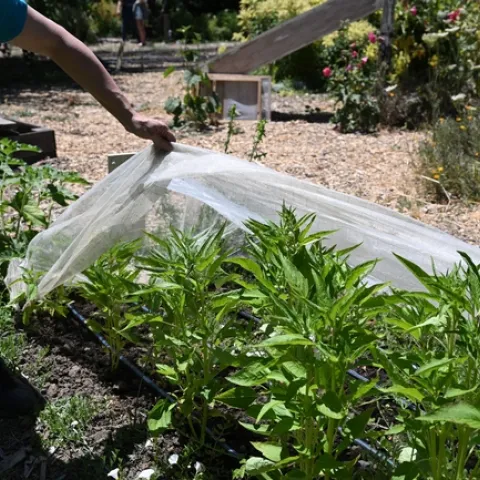
These days, most people are wearing masks when out in public for personal protection for themselves or others. In nature, there are a few pests that have their own type of face coverings, markings, or that other types of protective covers or behavior.
View Article