By Tunyalee Martin, Cheryl A Wilen, Thomas J Getts
California has abundant wildlands forests, rangeland, open areas, wildlife refuges and national, state, and local parks that need protection from invasive plants.
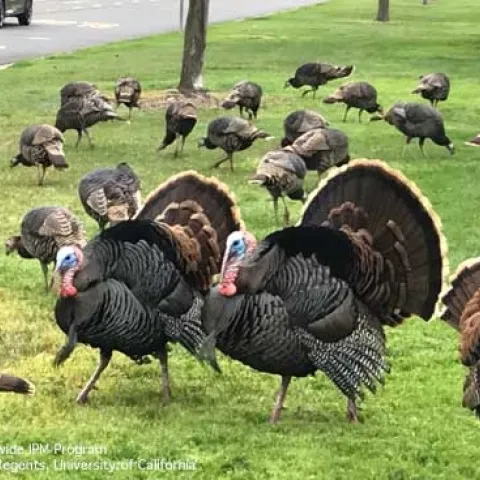
Have you seen wild turkeys wandering through your neighborhood? These American birds were once on the verge of extinction but now can be found foraging for food in urban and suburban neighborhoods. Some people enjoy the sight of a flock of wild turkeys strutting by their house.
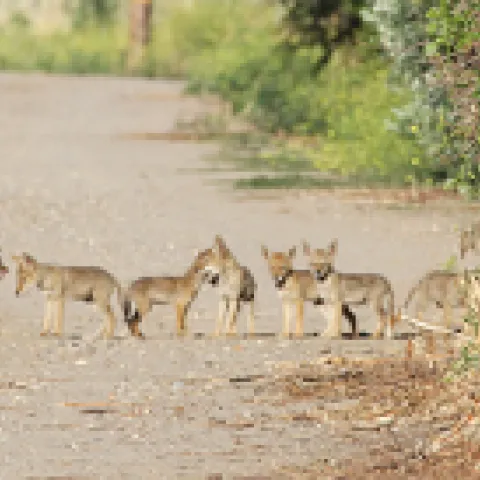
Wildlife in California is an important natural resource that many people appreciate in their natural habitats and strive to protect. However, sometimes vertebrate animals can become pests in our homes, gardens, schools, parks, and landscapes and management efforts are needed.
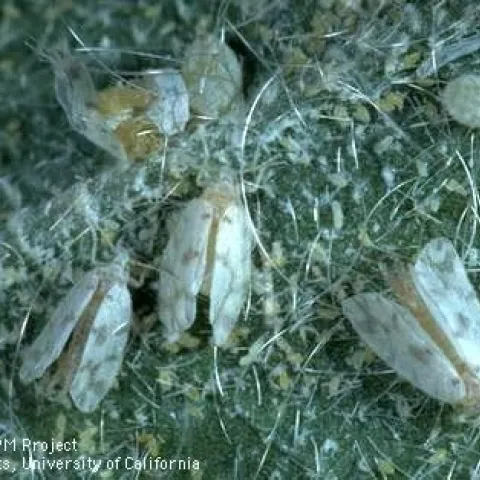
The giant whitefly is not a gargantuan monster out of an old sci-fi movie, although it is quite a bit larger compared to other whiteflies. Whiteflies are typically tiny insects that are hard to spot on plants unless they are flying, but the giant whitefly is more obvious.
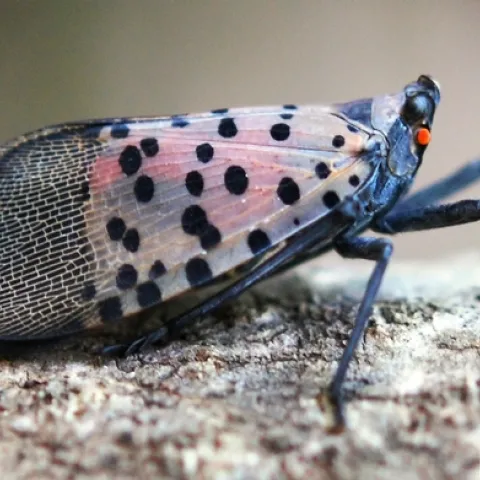
California Invasive Species Action Week began Saturday, June 5 and runs through Sunday, June 13, 2021. Increasing public awareness of invasive species and their impacts helps protect our natural resources, waterways, native species, agriculture, and health.
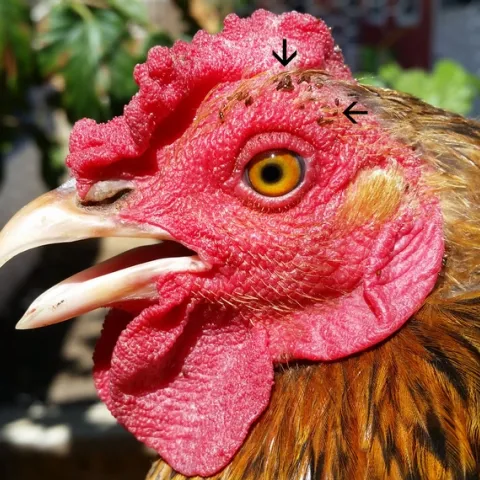
Backyard chickens are increasingly being raised as pets, for egg production, and for youth development and science projects. While raising chickens can be an interesting and economically beneficial activity, chickens and other fowl may also have pest problems.
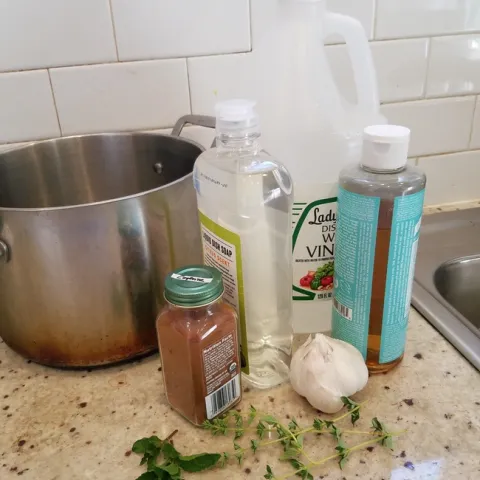
Instructions for making homemade mixtures to control pests are easy to find online and in social media, and it's tempting to make your own home remedy when pests invade.
As the weather warms up, we see more insect activity in gardens and landscapes, and you may also notice more activity of insect pests in your home. Common insect pests found indoors in springtime can include carpet beetles, fleas, fungus gnats, and boxelder bugs.
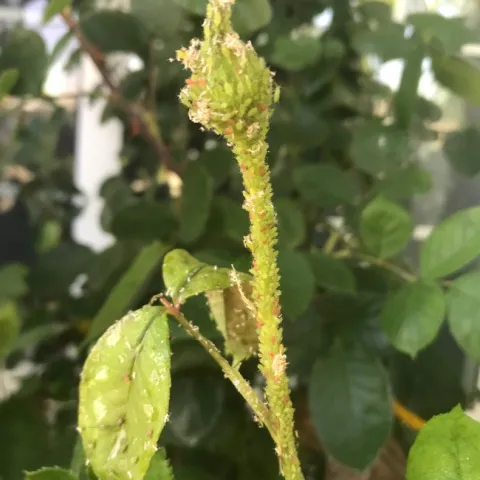
Aphids are really bad this year! This is what we've been hearing on social media and from many home gardeners. Aphids can curl leaves, stunt plant growth, and make a mess by the sticky honeydew they exude. Some aphid species create galls which can also damage plants.