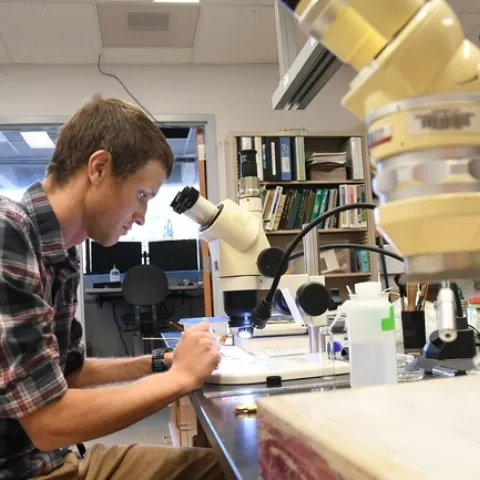
UC Davis medical entomologist-geneticist Geoffrey Attardo, a global authority on tsetse flies, is the principal investigator of a research project at the Lawrence Berkeley National Laboratory (Berkeley Lab) that involves scanning the entire reproductive cycle of the fly.
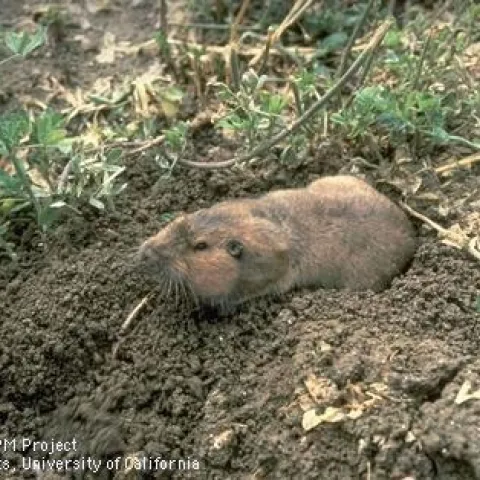
Annually on February 2, groundhogs get a lot of coverage. Groundhogs, also known as woodchucks, are burrowing rodents often found in the eastern United States. But in California, any shadows from burrowing rodents are unlikely to be a groundhog.
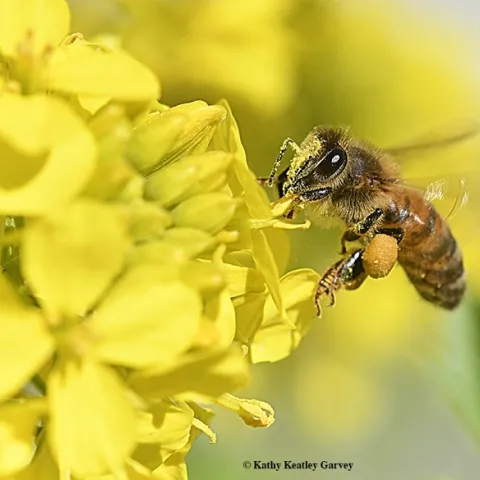
It's all about the birds and the bees and the flowers and the... Think birds and bats, honey bees and hornets, butterflies and beetles, and the flowers they pollinate. Think yeast cultures and cougars, and nematodes and nightingales, and lions and ladybugs.
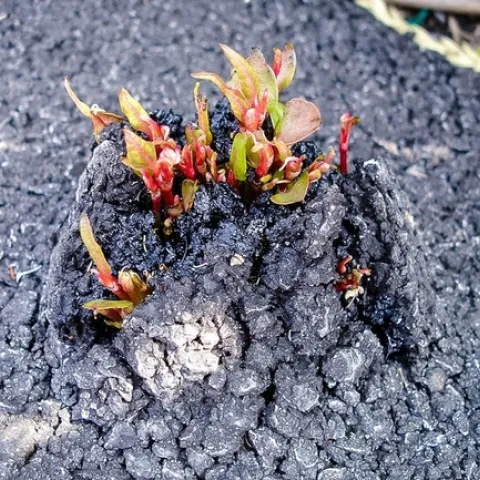
Thanks to our friend at Cornell (Lynn Sosnoskie) for sharing the article,"Oh, No, Not Knotweed!" by Henry Grabar from the Pocket Worthy website. Oh, No, Not Knotweed! It's been over four years since I bought hypodermic needles at a CVS, squatted in my backyard, and drew them full of glyphosate.
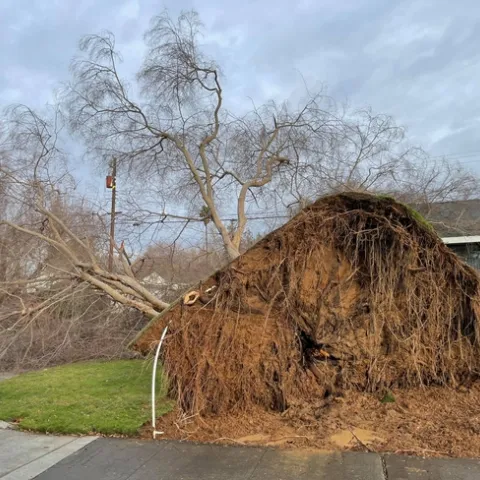
Strong winds from the latest winter storm have downed trees and branches throughout Northern California and may have also damaged plants in your garden and landscape. Further damage from wind or hail can be reduced with proper cultural care.
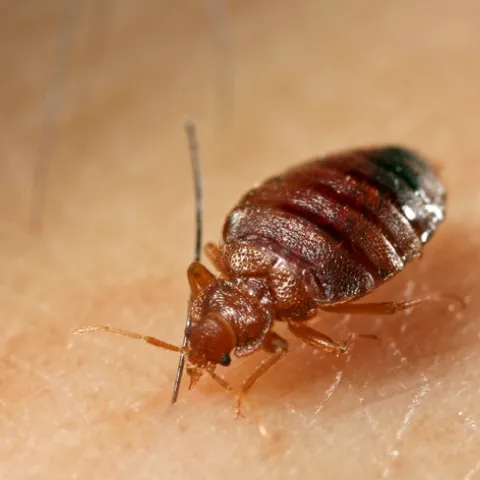
Bed bugs can hitch rides on secondhand furniture, luggage, backpacks and other personal items to invade homes and attack people. While we rest and sleep on sofas and beds, the insects come out to feed. They want to suck our blood.
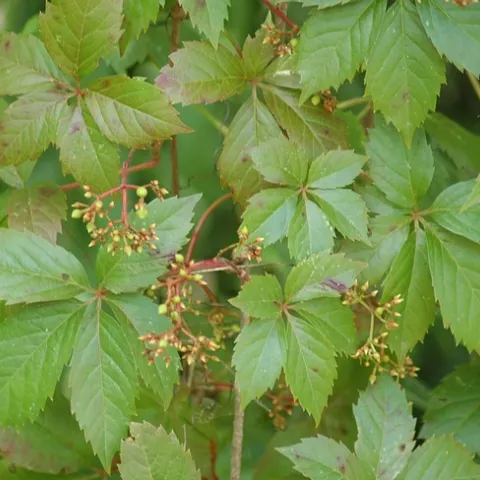
Usually I write up little articles on plants I like, but this post is about a plant I've learned to detest since moving to Owens Valley: Virginia creeper. Virginia creeper (Parthenocissus quinquefolia) is related to grapes. Except for the obviously different foliage it has a similar growth pattern.