UC ANR is committed to providing an accessible and inclusive web experience for all users. If you encounter an accessibility barrier or need content in an alternative or remediated accessible format, please contact anraccessibility@ucanr.edu.
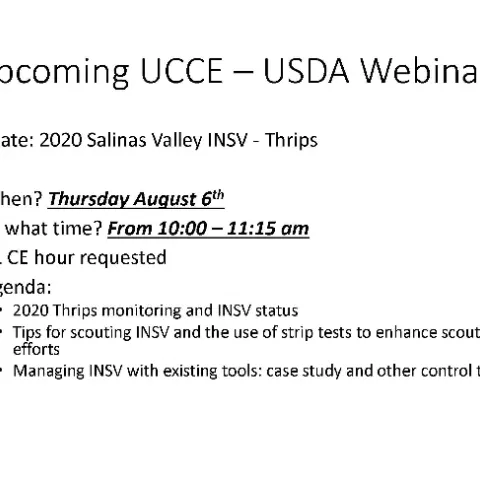
This will be a ZOOM Webinar When? Thursday August 6th At what time? From 10:00 11:15 am If interested in participating, please register at: http://ucanr.edu/survey/survey.
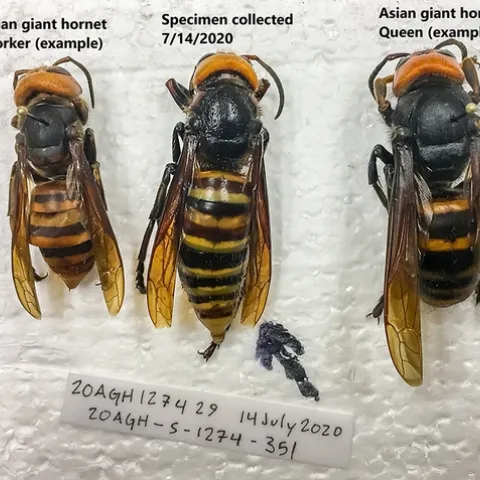
Just when folks were beginning to think "it may be over and done" regarding Asian giant hornet sightings, it's not. The Washington State Department of Agriculture (WSDA) has just trapped its first Asian giant hornet, Vespa mandarinia, which the news media dubbed "the murder hornet.
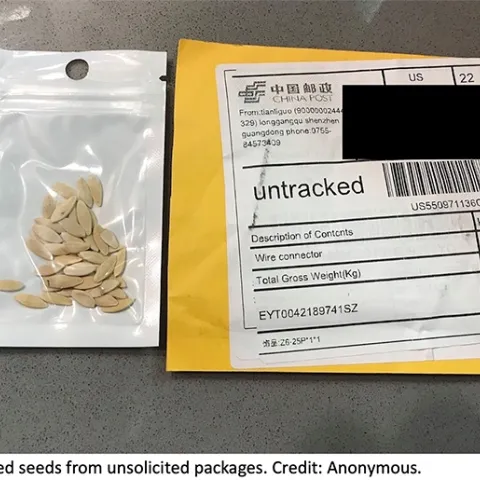
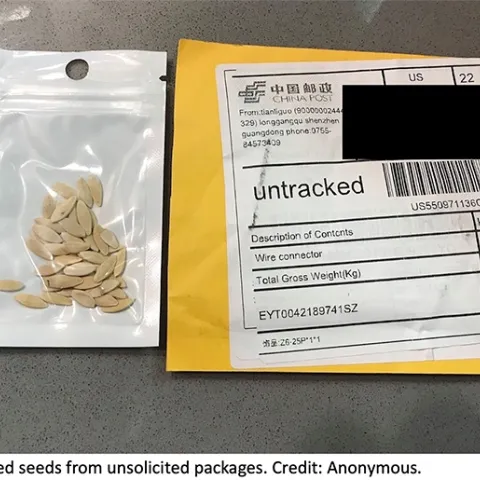
Author: UC Integrated Pest Management Program Have you had unexpected seeds show up in the mail? Unknown seeds could be invasive plants, contain invasive insects, or have plant disease causing agents.
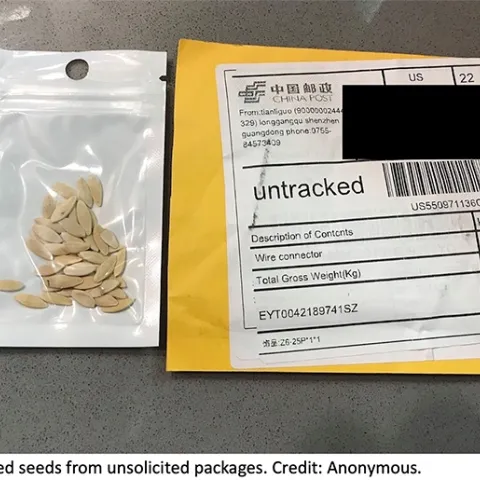
Have you had unexpected seeds show up in the mail? Unknown seeds could be invasive plants, contain invasive insects, or have plant disease causing agents. Here's what the United States Department of Agriculture Animal Plant and Health Inspection Service (USDA APHIS) has to say about it.
Have you had unexpected seeds show up in the mail? Unknown seeds could be invasive plants, contain invasive insects, or have plant disease causing agents. Here's what the United States Department of Agriculture Animal Plant and Health Inspection Service (USDA APHIS) has to say about it.
Author: UC Integrated Pest Management Program Have you had unexpected seeds show up in the mail? Unknown seeds could be invasive plants, contain invasive insects, or have plant disease causing agents.
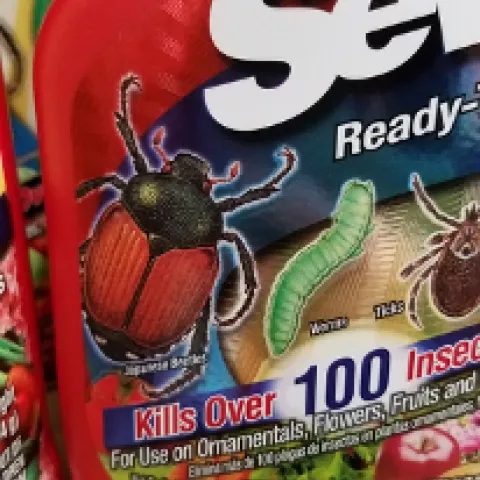
Starting August 1, 2020, all pesticides containing the active ingredient carbaryl will be designated as restricted materials in California, except for baits labeled only for agricultural use.
(Editor's Note: Geoffrey Attardo, assistant professor, UC Davis Department of Entomology and Nematology, published this piece July 29, 2020 on The Conversation website. This article is republished from The Conversation under a Creative Commons license. Read the original article.