UC ANR is committed to providing an accessible and inclusive web experience for all users. If you encounter an accessibility barrier or need content in an alternative or remediated accessible format, please contact anraccessibility@ucanr.edu.
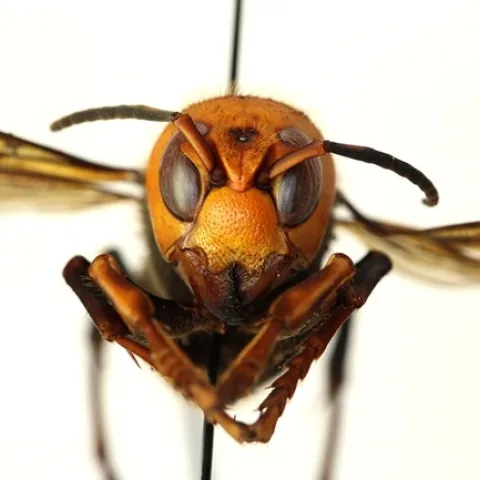
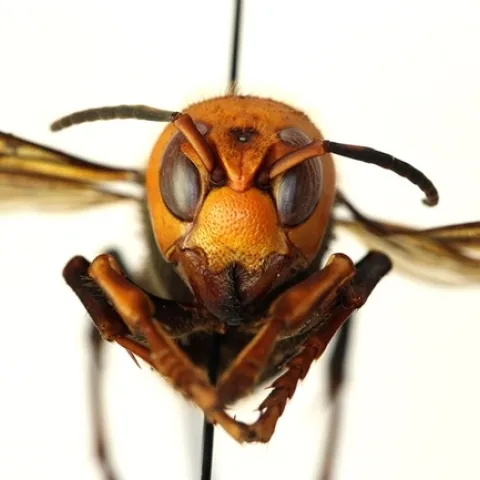
Noted hymenopterist Lynn Kimsey, director of the Bohart Museum of Entomology and professor of entomology, UC Davis Department of Entomology and Nematology, shed light on the Asian giant hornet in an interview with urban entomologist Michael Bentley on his BugBytes podcast. See https://bit.
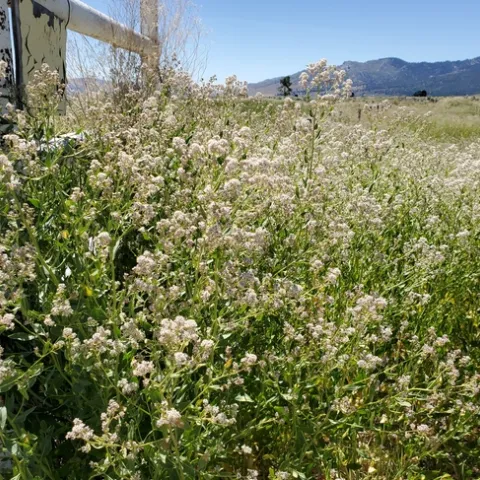
Perennial pepperweed (Lepidium latifolium) also known as tall whitetop is a root-creeping perennial weed. It is commonly found along roadsides, ditches, and drains. It is also a big problem in pastures, non-cropland, and even cropland that is not tilled on a yearly basis.
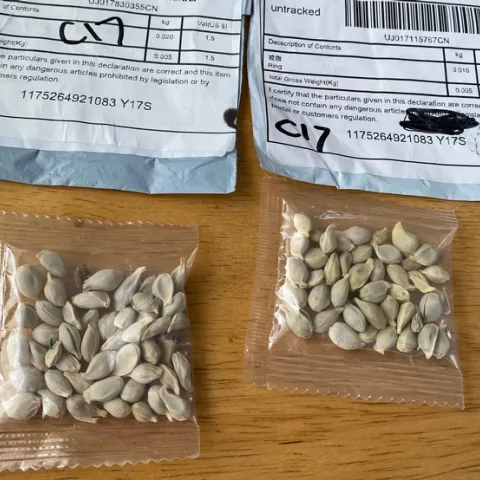
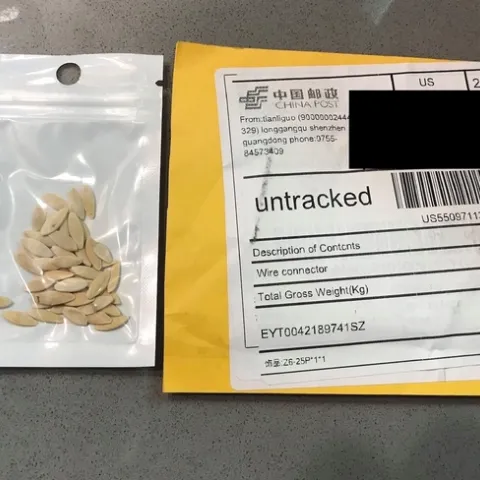
[From Pests in the Urban Landscape blog] Have you had unexpected seeds show up in the mail? Unknown seeds could be invasive plants, contain invasive insects, or have plant disease causing agents.
Have you had unexpected seeds show up in the mail? Unknown seeds could be invasive plants, contain invasive insects, or have plant disease causing agents. Here's what the United States Department of Agriculture Animal Plant and Health Inspection Service (USDA APHIS) has to say about it.
Remember those Asian giant hornets, which the news media dubbed "the murder hornets?" No, they're not back, but they are in the news. Or specifically, in a podcast.
Spotting ants in the home or yard is no reason to reach for insecticide sprays or call an exterminator. UC Cooperative Extension experts say the insects can be managed by residents in ways that are effective, inexpensive, safe and environmentally kind. Ants are probably the No.
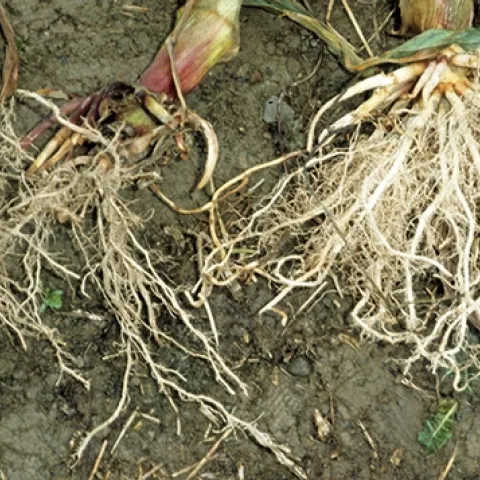
If you like corn, you should be concerned about a pest that's known as "the billion-dollar beetle." The Western corn rootworm is called that because its larvae ravage America's corn crops to the economic tune of $1 billion a year.
The Western corn rootworm, known as the billion-dollar beetle because its larvae ravage America's corn crops to the economic tune of $1 billion a year, may need a new nickname.
Most people are practicing social distancing due to the current pandemic, so contracting head lice might not be a top concern right now. However, many families with young children have at least one encounter with head lice at some time or another.
Have you seen Lee Allen's article in the Western Farm Press (July 15, 2020) on weed control in tree nut orchards? Here's the link: https://www.farmprogress.



![Head lice adults, nymphs, and eggs (nits). [Credit: Dr. Shujuan (Lucy) Li]](/sites/default/files/styles/large_square/public/2020-07/blog72443.jpg.webp?h=e1c542ae&itok=KnpJWsXG)