UC ANR is committed to providing an accessible and inclusive web experience for all users. If you encounter an accessibility barrier or need content in an alternative or remediated accessible format, please contact anraccessibility@ucanr.edu.
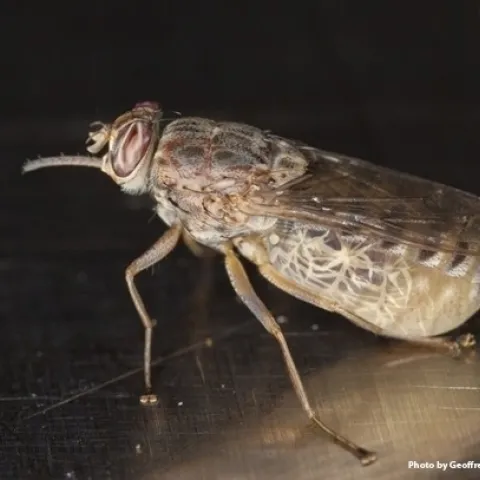
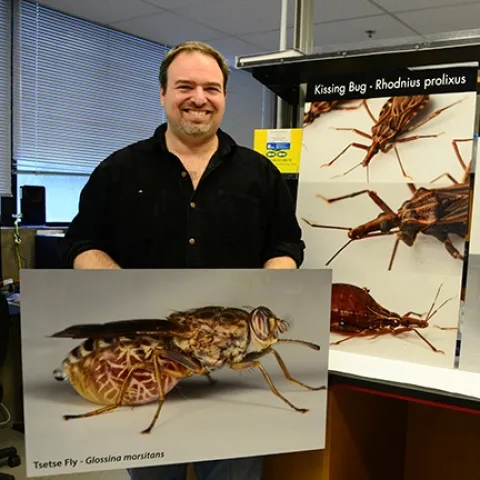
Got milk? Got a question about tsetse flies? Yes? Then you'll want to attend the Science Caf presentation on Wednesday, June 7, when medical entomologist and tsetse expert Geoffrey Attardo of the UC Davis Department of Entomology and Nematology will discuss Got Milk?
Medical entomologist and tsetse expert Geoffrey Attardo of the UC Davis Department of Entomology and Nematology will discuss Got Milk? The Evolution and Biology of the Lactation in the Tsetse Fly at the next Science Caf presentation, set for 5:30 p.m.
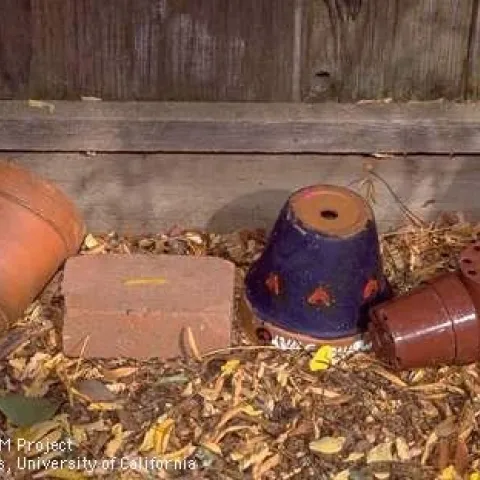
Help for the Home Gardener from the Help Desk of the UC Master Gardener Program of Contra Costa County Help Desk Request: I've just moved into my first house, and I would like to grow a moderate-sized vegetable garden in the back of the property.
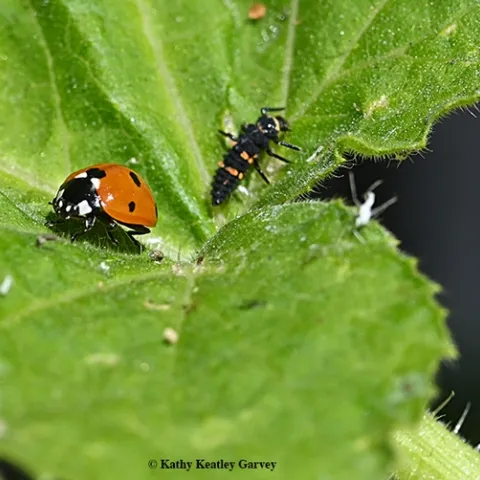
Remember that massive green blob that showed up Tuesday night, June 4 on the National Weather Service (NWS) radar in San Diego, and NWS tweeted it was a a cloud of ladybugs (termed a bloom)? Wait! They may NOT have been ladybugs, scientifically known as lady beetles, family Coccinellidae.
Whether you're having a backyard barbecue or enjoying outdoor activities as the weather warms up, it's important to protect yourself from mosquitoes and their bites.
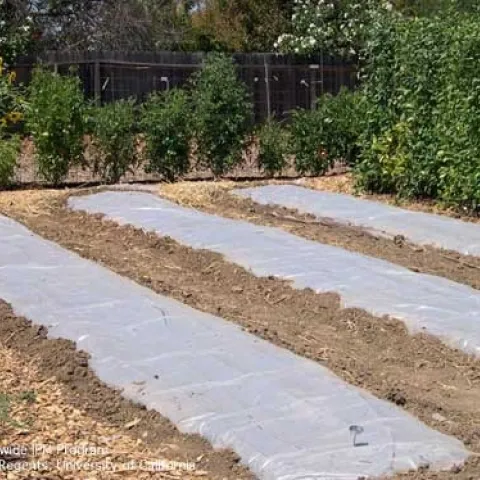
Soil solarization is a method home gardeners and farmers can use to manage soilborne pests such as weeds, disease pathogens, nematodes and insects. Solarization can reduce help reduce pesticides used to control these pests.
"Yecch! What's that ugly bug? Kill it!" Have you ever heard anyone say that when they see the larva of a lady beetle (aka ladybug, family Coccinellidae)? Unfortunately, it's quite common among non-gardeners and non-insect enthusiasts.
Soil solarization is a method home gardeners and farmers can use to manage soilborne pests such as weeds, disease pathogens, nematodes and insects. Solarization can reduce help reduce pesticides used to control these pests.
Subject: End of the Oriental Fruit Fly Quarantine Sacramento and Yolo Counties Effective May 28, 2019 the Department is removing the Oriental Fruit Fly quarantine located in Sacramento and Yolo Counties. Maps of any remaining Oriental Fruit Fly quarantine boundaries can be found at: www.cdfa.ca.