UC ANR is committed to providing an accessible and inclusive web experience for all users. If you encounter an accessibility barrier or need content in an alternative or remediated accessible format, please contact anraccessibility@ucanr.edu.
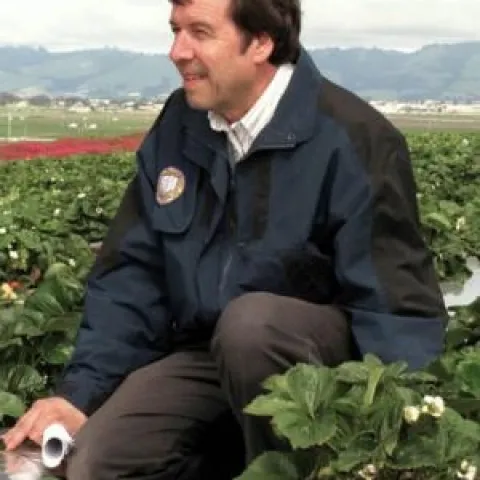
Integrated pest management specialist Frank Zalom, distinguished professor of entomology, UC Davis Department of Entomology and Nematology, and a past president of the Entomological Society of the America (ESA) is the newly selected editor-in-chief of the Journal of Economic Entomology, the largest...
[From the Spring issue of the UC IPM Retail Nursery & Garden Center News] I hate crabgrass! is a common lament I've heard from residents during my 35 years as a UCCE Weed Science Farm Advisor.
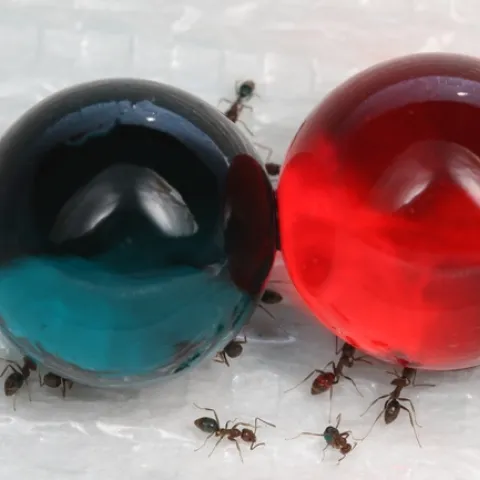
[From the Spring issue of the UC IPM Green Bulletin] Argentine ants can be a damaging ant pest species in both agricultural and urban environments in California. Outdoors, they disrupt biological control by tending honeydew-producing pests and protecting them from natural enemies.
During California Invasive Species Action Week (June 2 June 10), we highlighted several pests, but there are many more invasive species out there. Now that you know about them, share your knowledge of invasive species with others.
Everybody loves bugs, right? Well, no, they don't. Some folks scream, smash them, or sprint away from them. Other folks--including yours truly--sprint toward them, not unlike firefighters racing into a burning building while everyone else is dashing out. So it's gratifying to see that Feedspot.
Now until June 17, you can purchase Pests of the Garden and Small Farm together with the Vegetable Pest Identification for Gardens and Small Farms and save a bundle! Use this link http://anrcatalog.ucanr.edu/Items.aspx?search=specials.
Guest authors Tunyalee Martin, with the UC IPM Program, and Gene Miyao, farm advisor, describe a parasitic plant that has been found in some parts of Yolo County and the Delta.
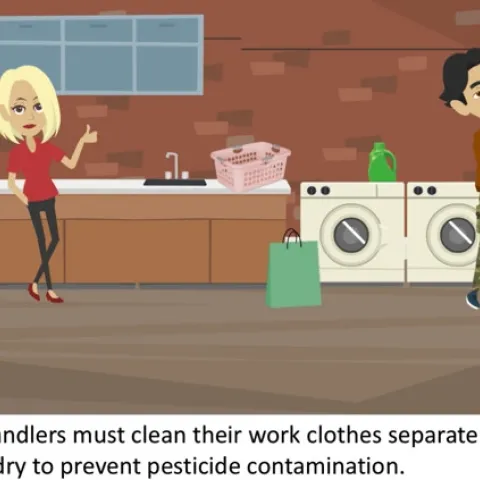
Spring is in full swing and summer is right around the corner. If you work in agricultural, turf, landscape, or structural settings, you are probably at your busiest. If you handle pesticides as part of your work, you most likely wear some sort of personal protective equipment (PPE).