UC ANR is committed to providing an accessible and inclusive web experience for all users. If you encounter an accessibility barrier or need content in an alternative or remediated accessible format, please contact anraccessibility@ucanr.edu.
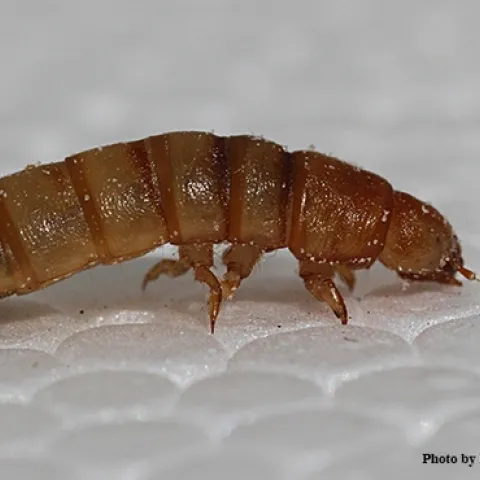
Several years ago you probably read about the Stanford researchers who discovered that mealworms--larvae of darkling beetles--eat Styrofoam. And if you attended the UC Davis Bohart Museum of Entomology open house on Dec.
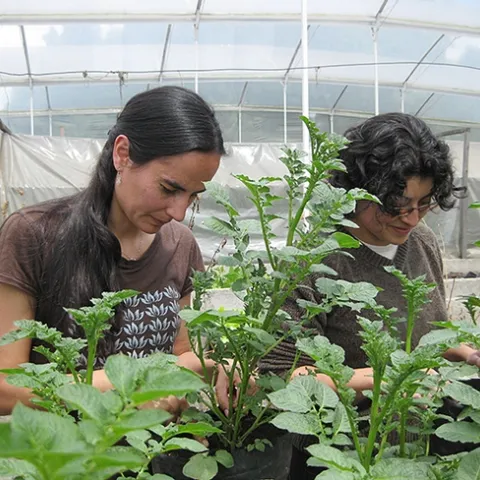
Let's consider plant-insect interactions in agro-ecosystems. That's what Katja Poveda, assistant professor of entomology, Cornell University, Ithaca, N.Y., does.
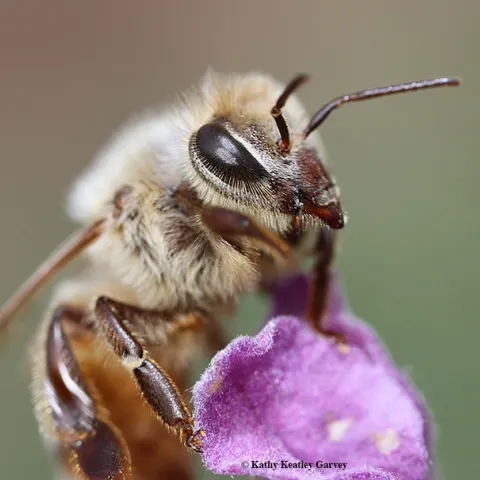
Bee-hold, the eye of a honey bee! Have you ever looked into the eye of a honey bee? Really looked? If you read Norm Gary's popular book, Honey Bee Hobbyist: The Care and Keeping of Bees, you'll see just how marvelous they are.
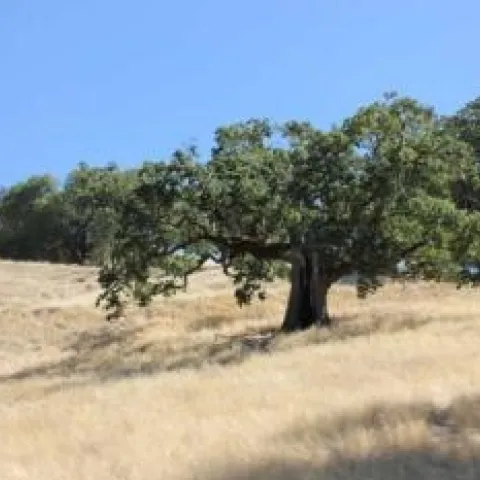
The Hopland Research and Extension Center is soliciting proposals for new and continuing research projects for the period July 1, 2018, through June 30, 2019. Hopland REC encompasses more than 5,300 acres of oak woodland, grasslands, and chaparral rangeland in southeastern Mendocino County.
My last post covered the use of color in garden design from the perspective of what bees see. While aesthetics are important in any garden, the needs of bees come first at the Haven and other bee gardens.
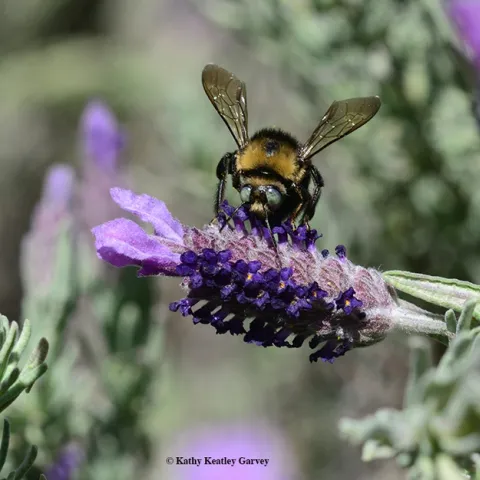
It's spring and it's loud in the Spanish lavender patch. The girls--the honey bees--are buzzing furiously as they forage among the blossoms, but so are the boys, in this case the mountain carpenter bee, Xyclocopa tabaniformis orpifex.
The University of California, Davis, is the place to "bee" on Saturday, April 7. There's a plant sale at the UC Davis Arboretum Nursery on Garrod Drive from 9 a.m. to 1 p.m., and there's an open house and plant sale at the Hagen-Dazs Honey Bee Haven from 11 a.m. to 2 p.m. on Bee Biology Road.
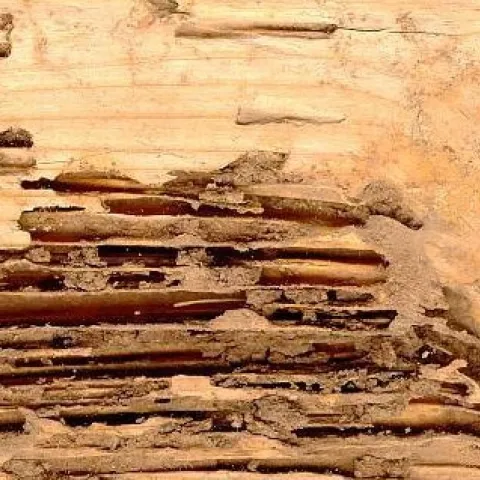
Norm Knows... Western Subterranean Termites Western Subterranean Termites have a winter time activity period, but are year-round pests of wooden structures and dead trees. The winter activity is associated with their swarming habit. The winged adults are black/dark brown with opaque gray wings.