UC ANR is committed to providing an accessible and inclusive web experience for all users. If you encounter an accessibility barrier or need content in an alternative or remediated accessible format, please contact anraccessibility@ucanr.edu.
The University of California, Davis, prides itself on teaching, research and public service. A few faculty members excel at all three (they're called triple threats) and distinguished professor James R. Carey of the UC Davis Department of Entomology and Nematology is one of them.
They are two who make a difference. Native pollinator specialist Robbin Thorp, emeritus professor of entomology, received the 2015 Distinguished Emeritus Award and Hugh Dingle, emeritus professor of entomology, received an Edward A.
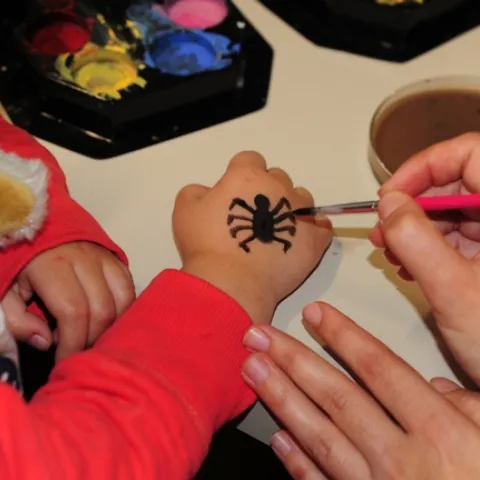
Oh, the myths about insects and spiders! It was a fun and educational afternoon when the UC Davis Bohart Museum of Entomology hosted an open house last Sunday. Visitors checked out the displays, asked the entomologists and staff questions, and looked over the list of myths.
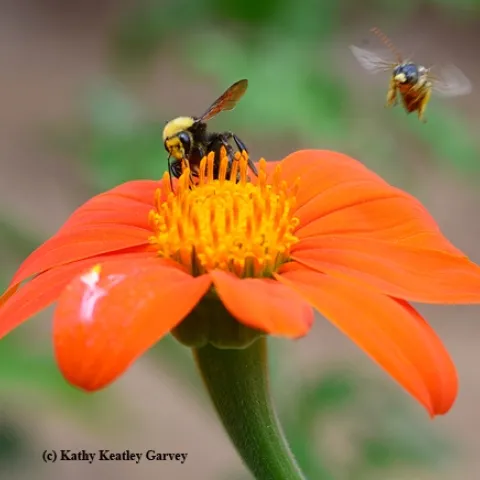
If you have Mexican sunflowers (genus Tithonia) in your garden, you can expect a diversity of insects--and not just honey bees. Lately we've been photographing all the insects that visit the Tithonia in our bee garden.
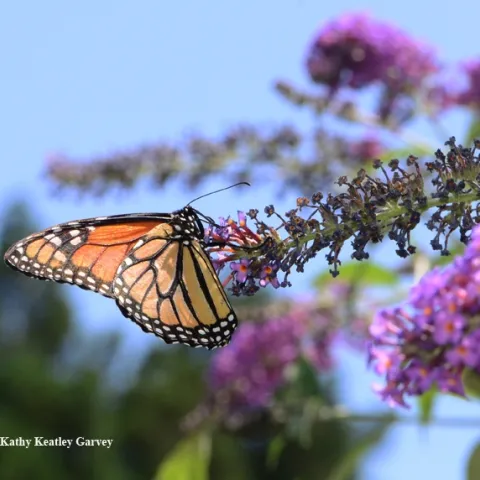
It's good to see so many scientists and citizen scientists taking an avid interest in monarchs. The monarch butterfly (Danaus plexippus), probably the most recognizable of all the butterflies, is known for its long migratory route from Canada to Mexico.
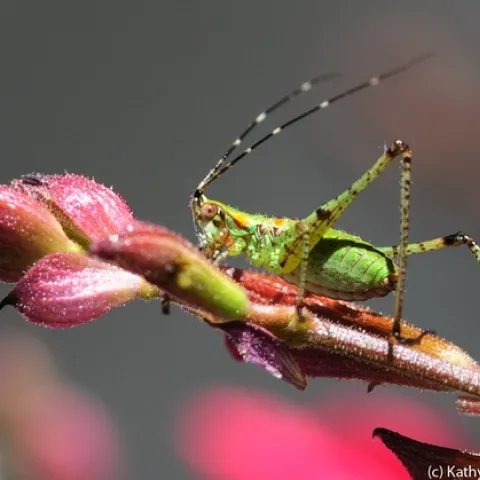
My late father, who called me "Katydid," loved poetry. Decades after he passed, a cousin gave me a set of his books from his childhood home. One was "The Early Poems of Oliver Wendell Holmes," published in 1899 by T. Y. Crowell and Company. In it is a poem, "To an Insect," and it's about katydids.
Lots of youngsters received teddy bears as holiday gifts. But native pollinator specialist Robbin Thorp, emeritus professor of entomology at UC Davis, received a teddy bear, too. Of sorts.
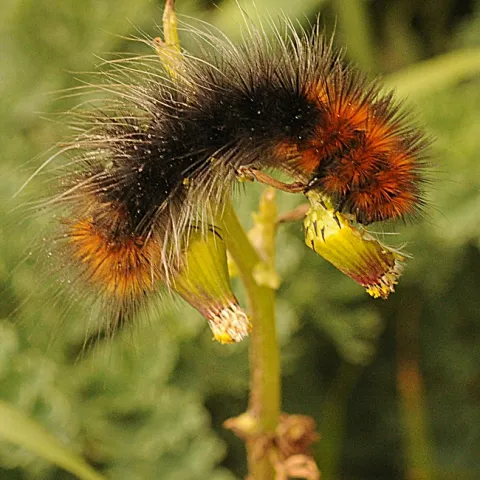
If you enjoy climbing the cliffs of Bodega Head on the Sonoma coast, keep your eyes out for bears--wooly bear caterpillars, that is. The so-called "wooly bear caterpillar" is reddish, black and woolly and has a voracious appetite much like that of Joey Chestnut.