

Introduction
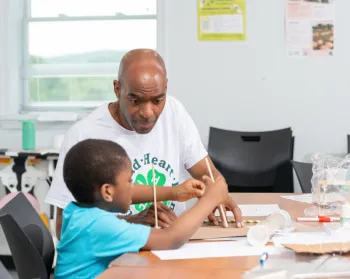
Partnerships between 4-H and expanded learning sites are a great way to provide high quality programming to youth. When 4-H partners with expanded learning programs (e.g. schools, Boys and Girls clubs, YMCAs), youth who may not otherwise participate in 4-H are able to have high quality experiences that promote positive youth development (Junge et al., 2025). Additionally, expanded learning partnerships are an excellent way to meet 4-H’s Beyond Ready Goal of reaching 10 million youth by 2030.
In the last article, we focused on the structure of partnerships between 4-H and expanded learning sites. We outlined the importance of establishing roles, responsibilities, and communication when building a strong partnership. In this article, we will dive deeper into staff capacity and support for 4-H professionals and expanded learning partners. Paying careful attention to staff capacity and limitations, as well as opportunities for support, provides 4-H expanded learning partnerships with the stamina and bandwidth to last long into the future.
It is important to consider capacity and staff support when creating and delivering a program. When both 4-H and expanded learning professionals feel supported in the work, collaborative programs can have a lasting impact. Careful attention to staff capacity will ensure all pieces of a program are accomplished without overextending staff. When all partners have the support, time, and space needed to deliver a program, the partnership can maintain long into the future.
Results
Results from the California 4-H study revealed three themes to consider related to staff capacity and support.
- Understand the right role for 4-H: 4-H educators may benefit from providing professional development, materials, and technical support rather than delivering weekly lessons.
- Rely on state-provided training: When expanded learning partners attend state-provided training in 4-H curriculum it can help relieve 4-H staff from additional responsibilities. However, if you have to provide local trainings, make them short, practical, and provide lesson run-throughs.
- Peer back-up and support: Lean on colleagues and volunteers for support.
Checklist:
When thinking about staff capacity and support, here are some important things to consider:
- Block time for partner cultivation, trainings, and short post-session debriefs.
- Prepare a facilitator kit for expanded learning partners: calendar, contact information, attendance/enrollment tools, and tip sheets.
- Identify helpers/support systems for training, coverage, and trouble shooting.
- Stage materials by week; label bins and share a restock plan.
Consider this Scenario:
You have agreed to deliver a 4-H Healthy Living program to a local Boys and Girls club. Your Boys and Girls club partner does not feel confident delivering the program alone, however, you do not have the capacity to deliver the lessons yourself. To solve this problem, you decide to create a local training on the Healthy Living curriculum. You provide your expanded learning partners and an eager 4-H volunteer practical program delivery tips and run through each lesson in the curriculum. After the training, your expanded learning partner feels confident delivering the program and the 4-H volunteer is prepared to support your partner by providing hands-on help with lesson delivery.
Closing Thoughts:
As outlined in this article, paying careful attention to staff capacity and support can help 4-H deliver strong expanded learning programs. When everyone feels supported in their role, and have the time and space to accomplish their responsibilities, programs run smoothly and staff have the bandwidth to commit to these partnerships.
Please consider reading the Fact Sheet: Growing 4-H with Expanded Learning Partnerships to learn more about how to create successful partnerships with afterschool programs.