UC ANR is committed to providing an accessible and inclusive web experience for all users. If you encounter an accessibility barrier or need content in an alternative or remediated accessible format, please contact anraccessibility@ucanr.edu.
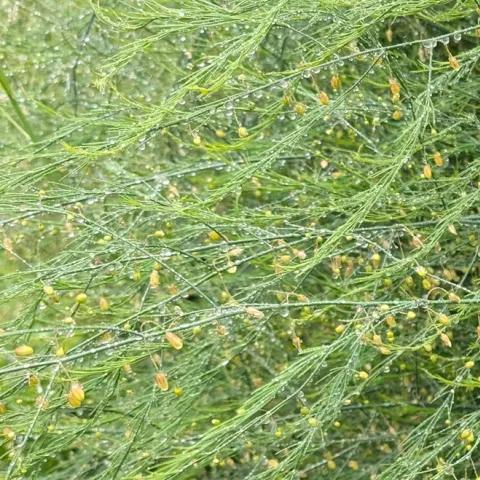
As one of the longest lived perennial vegetables, asparagus needs careful attention when planted. The tasty spears and 3-8 ft. high ferny growth will be a significant part of the food garden for 15 years or longer.
Shallots are closely related to onions and garlic with mild overtones of both in taste. They develop clusters of bulbs like garlic and are often used in place of onions in cuisines. Gray shallots are preferred by some as the only true shallot and are propagated only from bulbs.
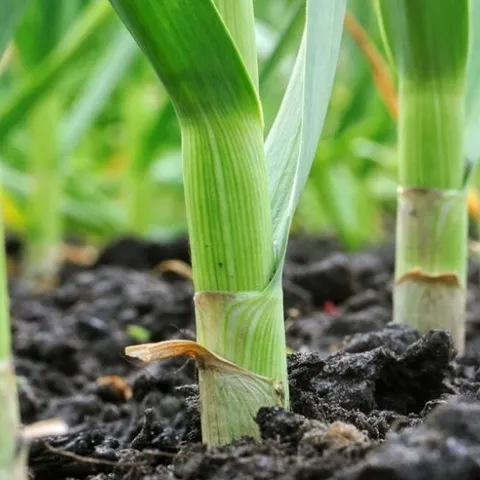
Garlic, a close relative of onions, shallots and leeks, is easily grown in Sonoma County. It occupies little garden space from fall through spring while still producing an ample crop.
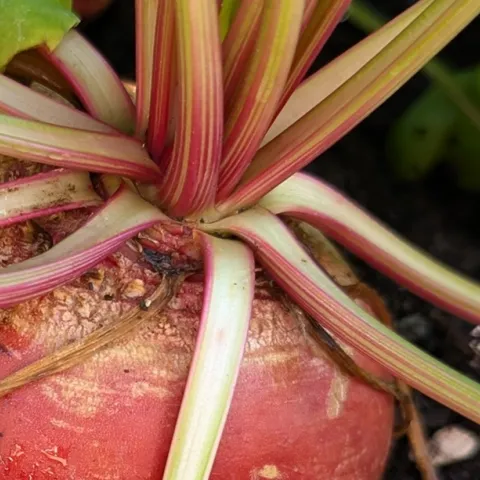
Like few other vegetables, nearly the entire beet plant can be eaten below-ground bulbs and above-ground foliage. A good crop depends on careful thinning and transplanting crowded seedlings into fertile, amended soil. Bumpy, brown seeds are actually a cluster of several seeds that germinate in a clump.
Lettuce has been cultivated and selectively bred for several centuries, first in the Middle East, then by the Romans who named it latuca or milk because of its white sap. The name became lettuce in English. Few vegetables are as easy to grow year-round with such a multitude of varieties.
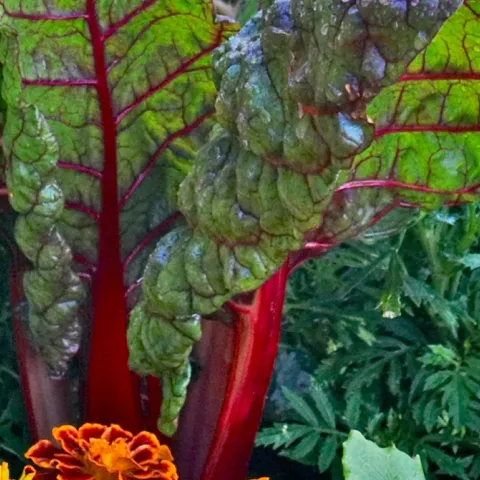
Chard is a favorite leafy green for many Sonoma County gardeners for its adaptability to both cool and warm weather, making it an easy year-round crop. Care is the same as for beets, a close relative with a different root structure. Summer heat and winter frosts are easily tolerated.
Melons thrive in fertile, fast-draining soil fortified with organic matter that holds ample moisture during long, hot summer months. In Sonoma County, not all micro-climates support melon growth.