UC ANR is committed to providing an accessible and inclusive web experience for all users. If you encounter an accessibility barrier or need content in an alternative or remediated accessible format, please contact anraccessibility@ucanr.edu.
The genus Nepeta is a member of the mint family (Lamiaceae) and is made up of approximately 250 perennial species native to a variety of habitats, ranging from Mediterranean regions to Western Asia.
Phormium has become a reliable plant for adding year-round drama to a mixed border, poolside, decorative pot, or even a parking strip. Long, linear leaves of this evergreen perennial come in solid colors or with contrasting stripes in all hues except blue.
As Sonoma County Master Gardeners, the Food Gardening Specialist (FGS) projects mission is to provide science-based horticultural information and to teach home and community gardeners how to grow food sustainably.
Hydrangea quercifolia, the oakleaf hydrangea, is a notable exception to the appearance, growth habit, and cultural requirements of mophead and peegee hydrangeas. The latter two types are mostly suited to climates with humid air and summer rains.
Chinese pistache (Pistacia chinensis) provides a blockbuster drama of vibrant orange and red autumn leaves. In full sun with only occasional water requirements once established, its ornamental value is highly valued in home gardens and streetscapes.
The genus Salvia, a member of the mint family (Lamiaceae), offers Sonoma County gardeners one of the largest and most versatile groups of plants. With some 900 species throughout the world, 100 can be found growing in the U. S., 89 can be found growing wild in California.
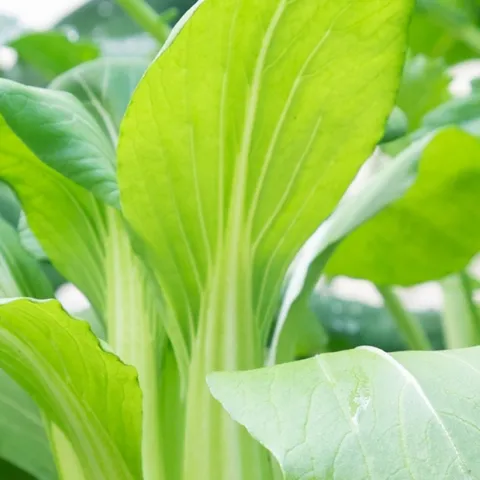
These leafy vegetables are easy to grow in cool weather, spring or fall, in Sonoma County. Plants in an array of colors enliven the garden in the off-season, often indicating spiciness and aroma in the kitchen. Asian greens are known by alternate plant names in different cultures.
While some flavor loss occurs when herbs are dried, your own dried herbs will be fresher and more pungent than any you can buy at the supermarket. Here are the basics: Spray herbs with water the day before harvesting so leaves will be clean and have time to dry by the next day.