UC ANR is committed to providing an accessible and inclusive web experience for all users. If you encounter an accessibility barrier or need content in an alternative or remediated accessible format, please contact anraccessibility@ucanr.edu.
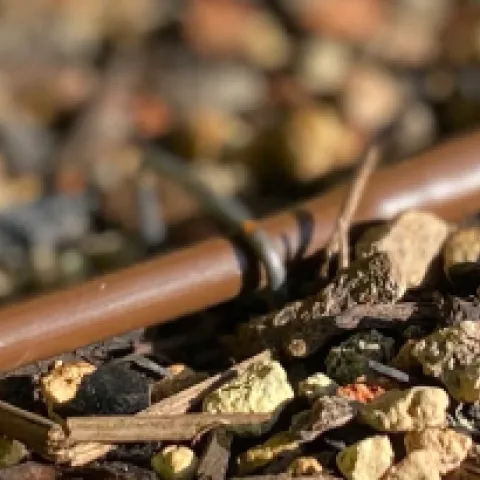
Checking your irrigation system periodically to reduce leaks and help conserve water usage. Photo: L Stiles Almost a third of Marin Countys water is used for irrigation. The majority of Marin residents use around 8,000 gallons or less of water per month.
This informal rain garden incorporates plants and wildflowers alongside a permeable walkway. Credit: Wikimedia Commons Rain gardens are designed to collect water and beautify a garden. They allow water to sink into the ground in about 48 hours rather than sloshing down storm drains.
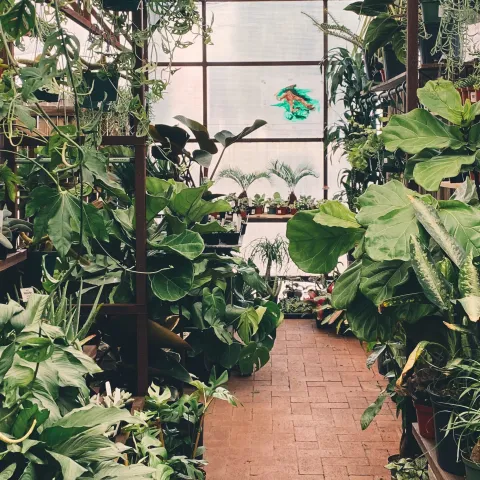
Photo: New York Public Library, Unsplash To get more comfortable with plants, its good to familiarize yourself with common plant lingo. Here are some of the ways plants are categorized: Native Native plants are part of a unique ecosystem that evolved over hundreds or thousands of years.
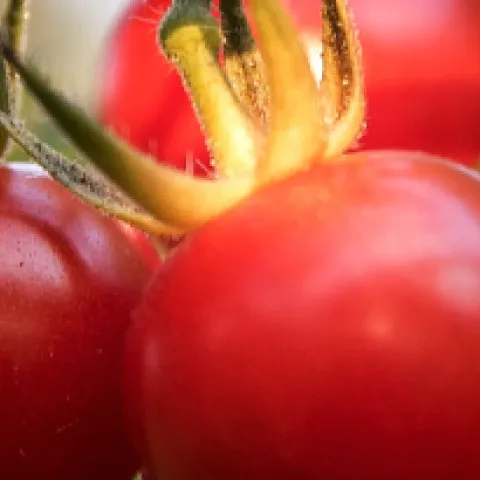
9am until sold out Pini Ace Hardware (NEW Novato San Marin location) 191 San Marin Drive, Novato Bon Air Greenbrae 50 Bon Air Center, Greenbrae NEW: Now accepting credit cards, cash, and checks. The annual UC Marin Master Gardener Tomato Market is our major fundraiser for the year.
Soils vary greatly from one place to another, even in your own garden. No matter how much work you do in your garden, all may be in vain if the quality of your soil is poor. Listed below are some things you can do to get to know your soil.
Earthworms are an excellent indicator of healthy soil. Photo, Sippakorn Yamkasikorn, Pexels Dirt and soil are NOT the same thing. Dirt is a lifeless mixture of minerals, air, and water.
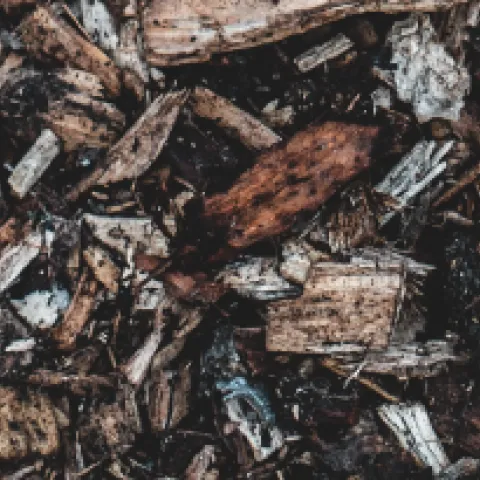
Once youve got healthy soil, keeping it that way is mostly about maintaining a desirable environment for the many creatures that live there. Here are some of the ways to keep your soil healthy. Allow leaves to decompose in the garden.
To garden successfully as our climate changes, we must adapt our practices. Select climate-appropriate plants and then keep them healthy. Healthy plants are more resilient to climate disruptions. Determine your baseline by documenting your gardens characteristics.
Dry summer hills and fog, typical of our Mediterranean climate. Photo: pxhere.com Like soil and water, climate is a key factor in assessing your site, choosing plants, and ultimately growing a successful garden.