UC ANR is committed to providing an accessible and inclusive web experience for all users. If you encounter an accessibility barrier or need content in an alternative or remediated accessible format, please contact anraccessibility@ucanr.edu.
If you feel like you need a jackhammer to bust into your garden soil, you've got clay. This is a familiar garden complaint in Marin. If you want to make your clay soil more workable, you can amend it with organic material.
Is your garden soil not quite what you want it to be? Need to make some improvements? Soil amendments may be a solution. Before making any additions or changes to your soil, its good to know what soil amendments are and how they may work in your soil.
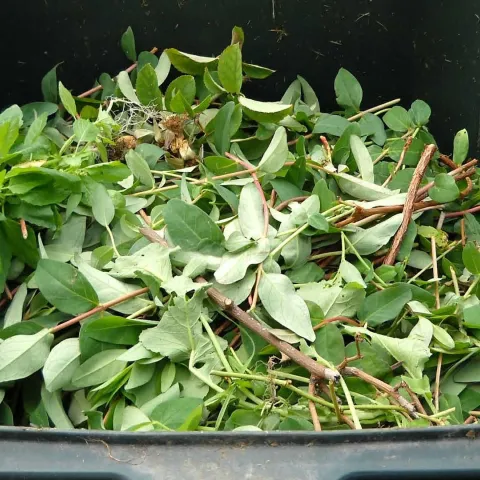
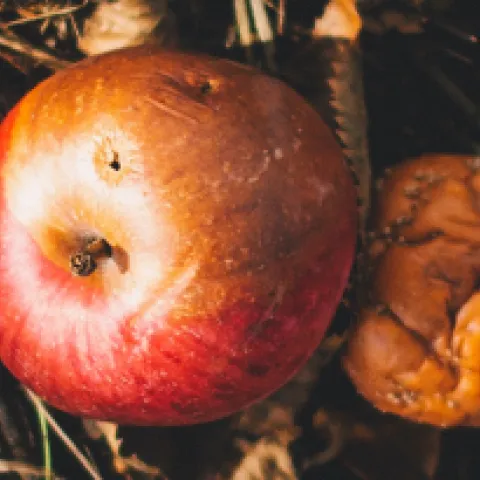
Compost benefits the garden as well as the environment. Photo: Pixabay.com The process of composting is good for your garden and for the environment. Home composting allows gardeners to recycle organic material while conserving landfill space and reducing reliance on fossil fuel.
Build a great foundation of climate-conscious, Earth-friendly gardening principles and knowledge tailored to the needs, climate and conditions of gardens in Marin.
Compost is multi-purpose. It can be used as mulch, topdressing, soil amendment, or as an organic fertilizer. Adding compost to the garden is one of the best ways to improve soil and support plant health.
The real work of composting is done by a variety of underground inhabitants including earthworms, sowbugs, bacteria, fungi and other micro-organisms. Some you can see, but most you cannot.
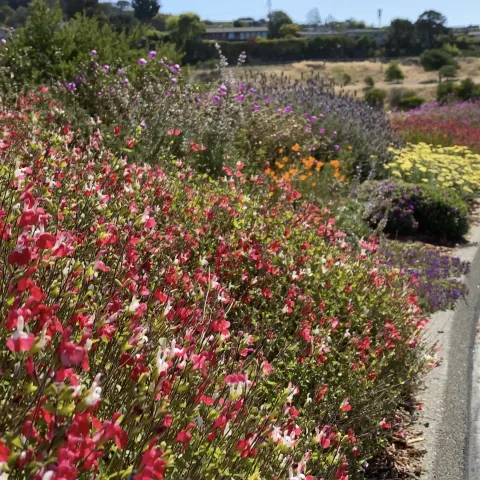
Blackies Pasture Garden in Tiburon (now known as Harveys Garden in honor of former UC Marin Master Gardener Harvey Rogers) was started in March 1995, at the suggestion of the Tiburon Peninsula Foundation, on approximately 0.05-acre in a former parking area.