A Natural Solution for California's Herds: African Catfish Peptides

California's cattle producers and agricultural communities are all too familiar with the rising challenge of antibiotic resistance, making common bacterial infections harder to treat in livestock. But imagine a future where we could tackle these infections with a natural, powerful alternative. Our research points to just that: antimicrobial peptides (AMPs) found in African catfish.

We're really excited about these peptides because African catfish thrive in pathogen-rich freshwater, naturally producing these robust immune compounds in their skin mucus as a defense. This natural origin makes them highly appealing alternatives to synthetic drugs.

Predicted Safety and Potent Action

One of the most compelling aspects of these AMPs is their predicted safety for mammals. Our initial computer analyses suggest that various catfish AMPs are generally recognized as safe (GRAS). We predict they'll be absorbed in the human intestine without causing liver, brain, or heart toxicity. Furthermore, lab tests on a promising peptide, NACAP-II, confirmed it was non-hemolytic, meaning it didn't damage rabbit red blood cells—a strong indicator of its potential safety for mammalian cells.

Beyond safety, these peptides demonstrate effectiveness against problematic bacteria. One study revealed NACAP-II's strong activity against Extended-Spectrum Beta-Lactamase (ESBL)-producing Escherichia coli—a critical concern for both animal and human health due to its resistance to many common antibiotics. Another peptide, ACAP-IV, also showed antibacterial activity against E. coli and Staphylococcus aureus. We believe these AMPs work by directly disrupting bacterial cell membranes, a mechanism that makes it harder for bacteria to develop resistance compared to how they resist traditional antibiotics.
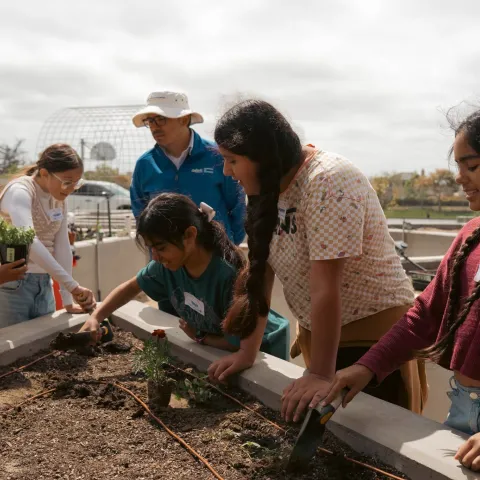

Master Food Preserver Canning Workshop
Site - County Program

UC Master Food Preservers of Humboldt & Del Norte Counties

Preserve today, relish tomorrowThe Humboldt and Del Norte Master Food Preserver Program uses research-based methods for food preservation and food safety. We teach easy and safe canning, pickling, fermenting, freezing, and dehydrating practices.Are you on our mailing list?Provide your information to be…
View Site
Primary Image
Flagging Fescue Variety Trial With Smoke Blocking the Sun
Blog

The Disaster Blog

 Welcome to the UCANR Disaster Blog!From 1980 to 2024, California declared 391 disasters ranging from wildfire to drought, severe storms, flooding, and high winds. 46 of those disasters resulted in $1B or more in damages. Californians are now estimated to be impacted by at least 1 major disaster or…
View Blog
Strawberry harvesting robot demonstration at Hansen Agricultural Research and Extension Center
Site

UC ANR Innovate

UC ANR Innovate connects people, ideas, and resources to move agricultural innovation from research to adoption across California.
View Site
Collage - Alt Main Page (2000 x 400) (2).png
Site

Intellectual Property and Technology Transfer

UC ANR Launches IP Management and SupportThe University of California Agriculture & Natural Resources (UC ANR) is committed to best practices in intellectual property and technology transfer. As part of our mission to ensure that the discoveries and innovations emerging from UC ANR research and outreach…
View Site
almond blossoms
Site - Department/Service

Sample IWP Site

Explore UC ANR’s formatting guide: see headings, text, and layout examples, plus tips on best practices for clean, effective site design.
View Site
UC ANR academics, staff and volunteers in a collage grid
Site

About Us

UC Agriculture and Natural Resources delivers science-based solutions, partnerships, and expertise across all 58 California counties in agriculture, natural resources, wildfire resilience, environmental stewardship, nutrition, and community development.
View Site
common house fly - musca domestica
Site

FlySpotter©

House FliesHouse flies can be considerable nuisance pests as well as carriers of animal and human pathogens.  Management of house flies (Musca domestica) is an important part of any animal operation and an Integrated Pest Management (IPM) program for house flies is recommended.  An effective IPM…
View Site
oak woodlands spring
Site

UC Oaks

UC Oaks provides science-based information on the ecology and stewardship of California's oak woodlands. UC Oaks is also a repository of 24 years of science-based research and outreach conducted from 1986 to 2010 by the UC Integrated Hardwood Range Management Program (IHRMP), a collaboration among the…
View Site
Monterey County
Site - County Program

4-H in Monterey County

 Welcome to 4-H! The University of California 4-H Youth Development Program is administered by UC Cooperative Extension Offices and promotes hands-on, experiential learning for all youth ages 5-19. Youth members and adult volunteers from all backgrounds and locations are welcome.  …
View Site
Primary Image
California rangeland
Blog

On the Range

Featuring research updates and educational events for ranchers and other land stewards in Sonoma and Marin counties. Blog managed by UCCE Livestock and Natural Resources Advisor Devii Rao. 
View Blog
UC Master Gardeners of Tulare and Kings County: Article

Helpful Gardening Tips for May 2026

May 2, 2026
By Peyton Ellas, UC Master Gardener Volunteer of Tulare/Kings County
After the frightening "summer is here too early; no, wait, it's going to freeze tonight" weather we had in March, April was lovely with its perfect spring blend of warm days, cool nights, moderate humidity, and a spattering of rain and snow. I hope this continues right through May, with a gradual warming…
View Article
UC Master Gardeners of Tulare and Kings County: Article

Honeydew Producing Insects

April 25, 2026
By Anne Skinner, UC Master Gardener Volunteer of Tulare/Kings County
Now that spring is arriving in Tulare and Kings Counties, perhaps you've noticed (or will soon) a shrub or tree not looking as vigorous, with a sticky substance on discolored leaves and dirty-looking areas on the leaves. Honeydew is the sticky, clear substance produced as excretion of excess sugar by a leaf…
View Article
Primary Image
CRS on fruit
Citrus IPM News: Article

Extension Advisory for Citrus Growers on California Red Scale as of April 24, 2026

April 24, 2026
By Sandipa Gautam
California red scale is a key pest of citrus in the SJV. Its life cycle starts as crawlers produced by overwintering females from the past season. Crawlers move and find a suitable place to start feeding. Once they have settled, they do not move. Current degree-day accumulation since the March 1 biofix (base…
View Article
Primary Image
A speaker addresses a group of visitors gathered among rows of corn, sunflowers, and zinnias on a small farm in California's Central Valley
UC ANR Innovate: Page

Strengthening the Central Valley's local food economy

F3 Local is a regional initiative working to build a more inclusive and resilient food economy in California's San Joaquin Valley. Through practical programs grounded in the realities of small-scale agriculture, F3 Local connects farmers, food entrepreneurs, and community members to the tools, training, and…
View Page
UC Master Gardeners of Tulare and Kings County: Page

Events and Classes

The UC Master Gardeners of Tulare/Kings County offer free classes, workshops, and events throughout the year. Our programs are designed for home gardeners of all experience levels—whether you're just starting your first vegetable garden or you've been gardening in Tulare/Kings County for decades, there's…
View Page
Primary Image
Maggot art masterpieces drying on bulletin board.

Maggot Art: Let It Bee!

April 24, 2026
By Kathy Keatley Garvey
 Can a honey bee participate in a maggot art activity?Yes, it can.  And yes, it did.When the UC Davis Entomology Graduate Student Association (EGSA) hosted its annual maggot art activity in the Briggs Hall courtyard during the 112th annual UC Davis Picnic Day, a worker bee seemed to want to join in…
View Article
Event Primary Image
Tomatoes and cucumbers
UC Master Gardeners of San Mateo & San Francisco Counties: Event

How to Grow Thriving Tomatoes and Vegetables in Containers

Event Date
May 16, 2026

Join us for an exciting presentation on growing tomatoes and vegetables in containers! Discover the numerous advantages of container gardening, including space-saving solutions and easy maintenance. We’ll guide you through selecting the right containers, choosing the best soil and amendments and…
UC Master Gardeners of San Mateo & San Francisco Counties
View Event
Primary Image
Gwendolyn Brooks sitting in a room holding a book wearing a red shirt, glasses and a blue headscarf

Principle Spotlight: United in Purpose

April 24, 2026
By Elizabeth A Moon
 Providing action and intentionality to our shared Principles. Welcome to a monthly series where each month the Workplace Inclusion and Belonging unit spins the dial and spotlights one of UC ANR Principles of Community and turns intention into action.Join in the unpacking of a new principle every month,…
View Article
Small and Organic Farm Advisor: Page

Other Resources

Home Food PreservationLinks to UC safe food preservation resources.UC Home Preservation and Storage Publicationspublications from the UC regarding safe food preservation and storage.Food-Specific Resources on Home Food PreservationFood specific publications from the UC regarding safe food preservation and…
Archived
View Page