A Natural Solution for California's Herds: African Catfish Peptides

California's cattle producers and agricultural communities are all too familiar with the rising challenge of antibiotic resistance, making common bacterial infections harder to treat in livestock. But imagine a future where we could tackle these infections with a natural, powerful alternative. Our research points to just that: antimicrobial peptides (AMPs) found in African catfish.

We're really excited about these peptides because African catfish thrive in pathogen-rich freshwater, naturally producing these robust immune compounds in their skin mucus as a defense. This natural origin makes them highly appealing alternatives to synthetic drugs.

Predicted Safety and Potent Action

One of the most compelling aspects of these AMPs is their predicted safety for mammals. Our initial computer analyses suggest that various catfish AMPs are generally recognized as safe (GRAS). We predict they'll be absorbed in the human intestine without causing liver, brain, or heart toxicity. Furthermore, lab tests on a promising peptide, NACAP-II, confirmed it was non-hemolytic, meaning it didn't damage rabbit red blood cells—a strong indicator of its potential safety for mammalian cells.

Beyond safety, these peptides demonstrate effectiveness against problematic bacteria. One study revealed NACAP-II's strong activity against Extended-Spectrum Beta-Lactamase (ESBL)-producing Escherichia coli—a critical concern for both animal and human health due to its resistance to many common antibiotics. Another peptide, ACAP-IV, also showed antibacterial activity against E. coli and Staphylococcus aureus. We believe these AMPs work by directly disrupting bacterial cell membranes, a mechanism that makes it harder for bacteria to develop resistance compared to how they resist traditional antibiotics.
Event Primary Image
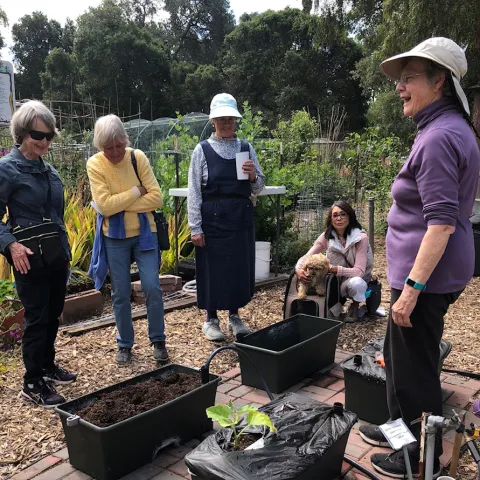
container gardening, N.Kawakita
UC Master Gardeners of Santa Clara County: Event

PADG Unlock the Possibilities of Container Gardening - Palo Alto

Event Date
Jun 6, 2026

Container Gardening can be an optimal solution for both shade- and sun-loving plants. Learn the benefits and secrets to happy, healthy plants living the good life in a container. We’ll discuss the pros and cons of types of containers, which soil to use, and water and fertilizer requirements for a variety of…
UC Master Gardeners of Santa Clara County
View Event
Event Primary Image
us master gardeners santa clara , palo alto
UC Master Gardeners of Santa Clara County: Event

PADG Open Garden Saturdays- Palo Alto

Event Date
May 2, 2026

The Palo Alto Demonstration Garden‘s edible and waterwise areas are open and staffed by Master Gardeners every Saturday morning, 10 am to noon, from May through October (weather permitting). Come explore the gardens, ask questions, and get plant and garden advice.
UC Master Gardeners of Santa Clara County
View Event
UC Master Gardener Program of Contra Costa County: Article

2.5. Water Wise Use

May 1, 2026
By CoCoMG Helpdesk
Vegetable Gardening - Handbook for Beginners Chapter 2.5.The ideal time to water is before mid-morning. This avoids water waste through evaporation, and enables foliage to dry by sunset, thus precluding disease development.Fungal diseases thrive when temperatures remain between 70 and 80 degrees; they need…
View Article
UC Master Gardener Program of Contra Costa County: Article

2.4. Composting

May 1, 2026
By CoCoMG Helpdesk
Vegetable Gardening - Handbook for Beginners Chapter 2.4.Composting is a method of producing a nutrient rich soil amendment (plant food) by using naturally occurring beneficial fungi and bacteria to break down organic waste. The simple process of composting allows large amounts of household, yard, and/or…
View Article
UC Master Gardener Program of Contra Costa County: Article

2.3. Transplanting

May 1, 2026
By CoCoMG Helpdesk
Vegetable Gardening - Handbook for Beginners Chapter 2.3.Most vegetables transplant well. Exceptions include those with long tap roots like carrots, parsley, and cilantro, and also potatoes and corn, which should be sown directly outdoors where they will mature.Choose plants in 6-packs and 4” pots. The small…
View Article
UC Master Gardener Program of Contra Costa County: Article

2.2. Seed Starting

May 1, 2026
By CoCoMG Helpdesk
Vegetable Gardening - Handbook for Beginners  Chapter 2.2.Starting vegetable seeds indoors early can reduce the cost of transplants and allow you to grow varieties that may be difficult to find in the nursery as transplants. To start you will need a soilless mix; growing containers; and the proper…
View Article
UC Master Gardener Program of Contra Costa County: Article

2.1. Soil Preperation

May 1, 2026
By CoCoMG Helpdesk
Vegetable Gardening - Handbook for Beginners Chapter 2.1. Soil structure Garden soil provides plants with air, water, and mineral nutrients. Soil in good physical condition (good structure or tilth) can hold and provide plant roots with adequate quantities of nutrients, water, and air; it will…
View Article
Primary Image
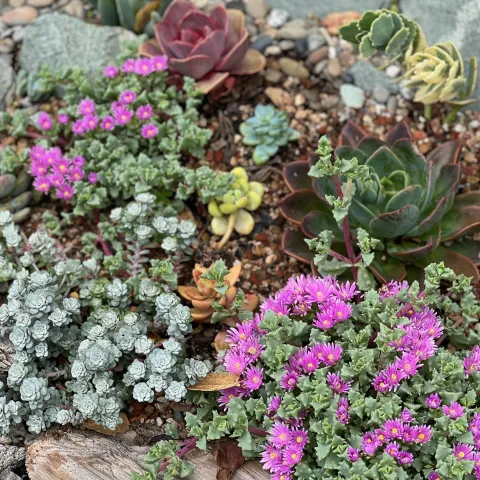
a mix of small succulents, many with bright fuchsia flowers
UC Master Gardeners of Monterey, San Benito & Santa Cruz Counties: Article

What to Know About Watering

May 1, 2026
By Denise Pinard
 What to Know About Watering(Short Answer: It Depends)by Delise Weir, Master Gardener How Much Should I Water?In almost every gardening class I’ve taught or attended, the same question inevitably arises: “How much should I water?”The answer is always, “It depends.” But what does it depend on?Soil:…
View Article