A Natural Solution for California's Herds: African Catfish Peptides

California's cattle producers and agricultural communities are all too familiar with the rising challenge of antibiotic resistance, making common bacterial infections harder to treat in livestock. But imagine a future where we could tackle these infections with a natural, powerful alternative. Our research points to just that: antimicrobial peptides (AMPs) found in African catfish.

We're really excited about these peptides because African catfish thrive in pathogen-rich freshwater, naturally producing these robust immune compounds in their skin mucus as a defense. This natural origin makes them highly appealing alternatives to synthetic drugs.

Predicted Safety and Potent Action

One of the most compelling aspects of these AMPs is their predicted safety for mammals. Our initial computer analyses suggest that various catfish AMPs are generally recognized as safe (GRAS). We predict they'll be absorbed in the human intestine without causing liver, brain, or heart toxicity. Furthermore, lab tests on a promising peptide, NACAP-II, confirmed it was non-hemolytic, meaning it didn't damage rabbit red blood cells—a strong indicator of its potential safety for mammalian cells.

Beyond safety, these peptides demonstrate effectiveness against problematic bacteria. One study revealed NACAP-II's strong activity against Extended-Spectrum Beta-Lactamase (ESBL)-producing Escherichia coli—a critical concern for both animal and human health due to its resistance to many common antibiotics. Another peptide, ACAP-IV, also showed antibacterial activity against E. coli and Staphylococcus aureus. We believe these AMPs work by directly disrupting bacterial cell membranes, a mechanism that makes it harder for bacteria to develop resistance compared to how they resist traditional antibiotics.
UC Master Gardeners of San Diego County: Article

Trees for Today and Tomorrow

April 28, 2026
By the Master Gardener Association of San Diego County
Advice to Grow ByUC Master Gardeners of San Diego CountyHotline (858) 822-6910 www.MasterGardenerSD.orghelp@MasterGardenerSD.orgChoose a Healthy TreeGood trees start in the nursery – take the time to carefully inspect trees before buying.Check for root health, sturdy branch structure and a strong central…
View Article
Event Primary Image
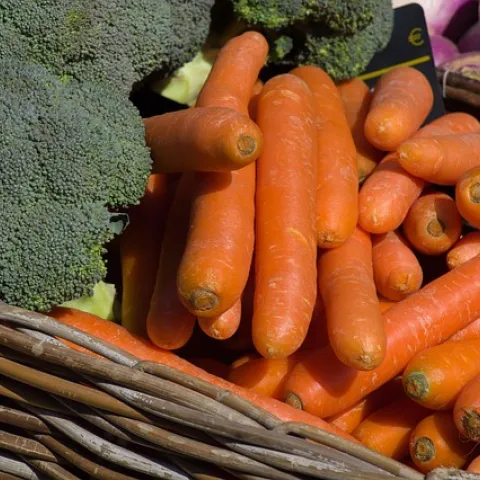
Broccoli and Carrots courtesy of Pixabay
UC Master Gardeners of Ventura County: Event

Garden to Table Series – Growing Root Vegetables /Simi Valley

Event Date
Oct 24, 2026

Photo Credit PixabayGarden to Table Series – Growing Root Vegetables Unlock the secrets to bountiful harvests of crisp carrots, tender beets, flavorful radishes and more with our "Growing Root Vegetables" class. Perfect your skills for cultivating an endless supply of these nutritious underground…
UC Master Gardeners of Ventura County
View Event
Primary Image
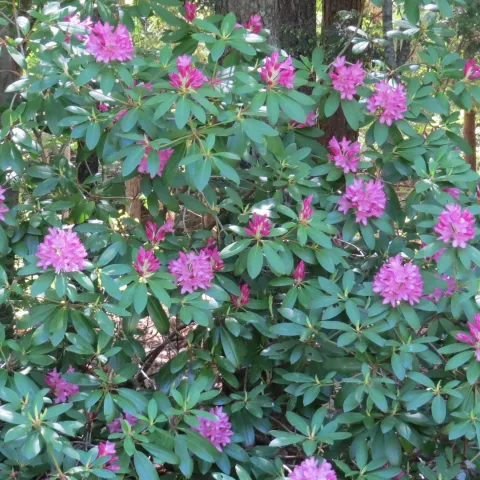
Rhododendron bush

Growing Acid-Loving Plants

April 28, 2026
By Help Desk Team
Note: This was originally published in the Contra Costa Times. It has been updated.If you have ever admired the coral beauty of camellias, azaleas or rhododendrons or savored the juicy plumpness of blueberries, you may have thought of growing your own. You may also have heard that these are acid-loving…
View Article
Stanislaus County 4-H: Page

2026 Primary Camp

2026 PRIMARY CAMP REGISTRATION FORMLocation: County AG Center, 3800 Cornucopia Way, Modesto, Harvest Hall Room D/E Date: Saturday, May 9,  2026 Drop‑off / Check-In starts: 8:30 a.m. Pick‑up: 3:45 p.m. (Kids may be dropped off—parents are welcome to stay and enjoy the day!)Registration deadline: Friday, May 2…
View Page
UC Master Gardeners of the Lake Tahoe Basin: Article

Central Sierra: Pea Growing Instructions

April 28, 2026
Nitrogen Fixation in PeasAtmospheric nitrogen (N2) is not in a usable form for most plants. For legumes like beans and peas a symbiotic relationship exists with a type of nitrogen fixing bacteria (Rhizobia spp.). The bacteria “infects” the root system obtaining essential nutrition, while providing the plant…
View Article
UC Master Gardeners of the Lake Tahoe Basin: Article

Central Sierra: Potato Growing Instructions

April 28, 2026
Potato Seed PreparationPotato 'seeds' are actually bits of potatoes with at least a couple eyes, from which the plants develop. Larger seed potatoes can be cut if they include at least 2 eyes each, just be sure to allow 24 hours to dry or become callused before planting. Potatoes will tolerate light…
View Article