A Natural Solution for California's Herds: African Catfish Peptides

California's cattle producers and agricultural communities are all too familiar with the rising challenge of antibiotic resistance, making common bacterial infections harder to treat in livestock. But imagine a future where we could tackle these infections with a natural, powerful alternative. Our research points to just that: antimicrobial peptides (AMPs) found in African catfish.

We're really excited about these peptides because African catfish thrive in pathogen-rich freshwater, naturally producing these robust immune compounds in their skin mucus as a defense. This natural origin makes them highly appealing alternatives to synthetic drugs.

Predicted Safety and Potent Action

One of the most compelling aspects of these AMPs is their predicted safety for mammals. Our initial computer analyses suggest that various catfish AMPs are generally recognized as safe (GRAS). We predict they'll be absorbed in the human intestine without causing liver, brain, or heart toxicity. Furthermore, lab tests on a promising peptide, NACAP-II, confirmed it was non-hemolytic, meaning it didn't damage rabbit red blood cells—a strong indicator of its potential safety for mammalian cells.

Beyond safety, these peptides demonstrate effectiveness against problematic bacteria. One study revealed NACAP-II's strong activity against Extended-Spectrum Beta-Lactamase (ESBL)-producing Escherichia coli—a critical concern for both animal and human health due to its resistance to many common antibiotics. Another peptide, ACAP-IV, also showed antibacterial activity against E. coli and Staphylococcus aureus. We believe these AMPs work by directly disrupting bacterial cell membranes, a mechanism that makes it harder for bacteria to develop resistance compared to how they resist traditional antibiotics.
Primary Image
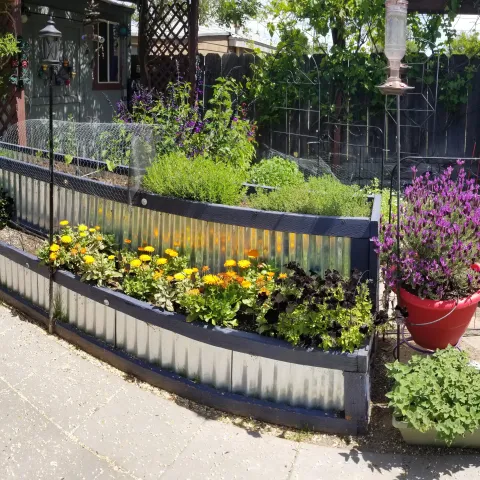
Herbs in raised planters and pots

The Joy of Culinary Herbs

April 28, 2026
By Terry Pellegrini
Imagine yourself walking out to your garden or patio and being greeted by a spicy fragrance. All around you are pots and containers filled with culinary herbs such as thyme, oregano, and basil. You reach down and take a snip or two of these fresh herbs and wander back into your kitchen to add them to the pot…
View Article
Primary Image
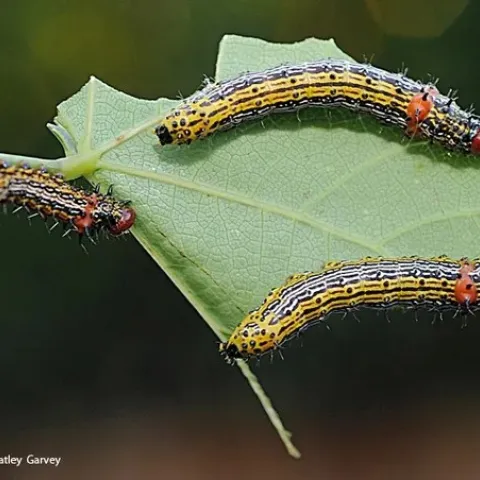
Red humped caterpillars on a Western redbud tree
The Stanislaus Sprout: Article

Cool Caterpillars

April 28, 2026
By Denise Godbout-Avant
Some gardeners may not consider caterpillars to be “cool.” After all, hungry caterpillars eat vegetables and flowers that gardeners are trying to grow! However, I think they ARE cool because beautiful colorful caterpillars become gorgeous butterflies or moths. In addition, they are valuable pollinators and a…
View Article
Event Primary Image
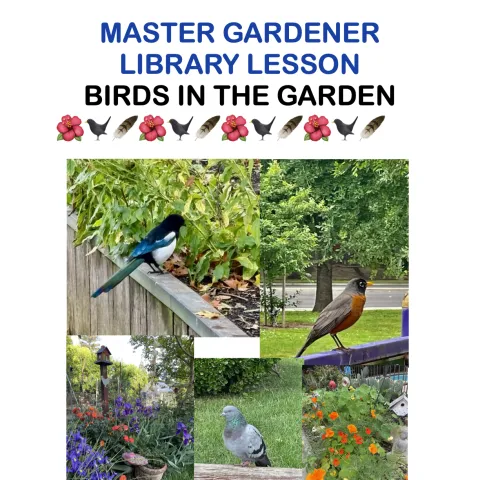
Birds in the Garden library activity for May
UC Master Gardeners of Fresno County: Event

Birds in Our Gardens- Politi Library

Event Date
May 12, 2026

 Join Master Gardeners of Fresno County for a FREE and fun, hands-on gardening activity perfect for preschool and elementary-aged children! Each month, we explore exciting gardening topics through a short lesson, engaging books, and creative crafts.This month's library class, Birds in Our…
UC Master Gardeners of Fresno County
View Event
Event Primary Image
Birds in the Garden library activity for May
UC Master Gardeners of Fresno County: Event

Birds in our Gardens-Sunnyside Library

Event Date
May 6, 2026

 Join Master Gardeners of Fresno County for a FREE and fun, hands-on gardening activity perfect for preschool and elementary-aged children! Each month, we explore exciting gardening topics through a short lesson, engaging books, and creative crafts.This month's library class, Birds in Our…
UC Master Gardeners of Fresno County
View Event
Primary Image
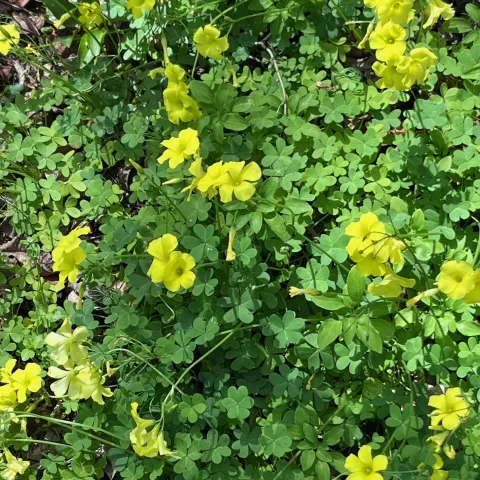
Oxalis stricta (common yellow wood sorrel) is nearly impossible to eradicate in our area. J.C. Lawrence
The Real Dirt: Article

What Weeds Can Tell Us

April 27, 2026
Every gardener knows that weeds are just plants in the wrong place. Webster’s dictionary defines a weed as “a plant that is not valued where it is growing and is usually of vigorous growth; especially: one that tends to overgrow or choke out more desirable plants.” The use of weeds as soil indicators is not…
View Article