A Natural Solution for California's Herds: African Catfish Peptides

California's cattle producers and agricultural communities are all too familiar with the rising challenge of antibiotic resistance, making common bacterial infections harder to treat in livestock. But imagine a future where we could tackle these infections with a natural, powerful alternative. Our research points to just that: antimicrobial peptides (AMPs) found in African catfish.

We're really excited about these peptides because African catfish thrive in pathogen-rich freshwater, naturally producing these robust immune compounds in their skin mucus as a defense. This natural origin makes them highly appealing alternatives to synthetic drugs.

Predicted Safety and Potent Action

One of the most compelling aspects of these AMPs is their predicted safety for mammals. Our initial computer analyses suggest that various catfish AMPs are generally recognized as safe (GRAS). We predict they'll be absorbed in the human intestine without causing liver, brain, or heart toxicity. Furthermore, lab tests on a promising peptide, NACAP-II, confirmed it was non-hemolytic, meaning it didn't damage rabbit red blood cells—a strong indicator of its potential safety for mammalian cells.

Beyond safety, these peptides demonstrate effectiveness against problematic bacteria. One study revealed NACAP-II's strong activity against Extended-Spectrum Beta-Lactamase (ESBL)-producing Escherichia coli—a critical concern for both animal and human health due to its resistance to many common antibiotics. Another peptide, ACAP-IV, also showed antibacterial activity against E. coli and Staphylococcus aureus. We believe these AMPs work by directly disrupting bacterial cell membranes, a mechanism that makes it harder for bacteria to develop resistance compared to how they resist traditional antibiotics.

Elkus Ranch Environmental Education Center: Page

Soil Stewards Climate Field Trip

New Soil Stewards Climate Action Field Trip at Elkus Ranch! Students in fourth through sixth grade can join us this winter. In this Next Generation Science Standards (NGSS)-aligned field trip, students will explore the garden, visit Elkus’ animals, and draw connections between healthy soil, climate…
View Page
Primary Image
water
Stanislaus County: Article

Evapotranspiration Report - 04/24/2026

April 24, 2026
Please find the attached document to provide the previous week’s estimated water use report in terms of evapotranspiration for almonds, peaches, walnuts, established vineyard, alfalfa, and pasture in Stanislaus County. This report may be used as a guide in your irrigation schedule for the…
View Article
Page

Contact US

  Large. 33/66 don't use hard return.Kristen FarrarCommunications Coordinator Phone  Administration and Program Management   Medium 33/66Kristen FarrarCommunications Coordinator530-786-0390kfarrar@ucanr.edu Sustainable Food Economies Med 33/66 no gutters …
View Page
Small and Organic Farm Advisor: Page

Meet the Capitol Corridor Team

 Margaret Lloyd, Small and Organic Farm AdvisorMargaret received her PhD from UC Davis in Plant Pathology, 2015.  Under the guidance of Tom Gordon, she researched non-chemical alternatives to soilborne disease management in strawberries.  She focused on three main topics: the role of legume…
View Page
Small and Organic Farm Advisor: Page

Contact Us

How to Reach UsUniversity of California Cooperative Extension (UCCE) Capitol Corridor2780 E. Gibson Rd.Woodland, CA 95695Drop by the office Monday through Friday 8am-5pm, closed for lunch 12-1:30.Follow us on social media: Blog  |  Instagram  |  YouTube  Meet Our TeamName Title…
View Page
Primary Image
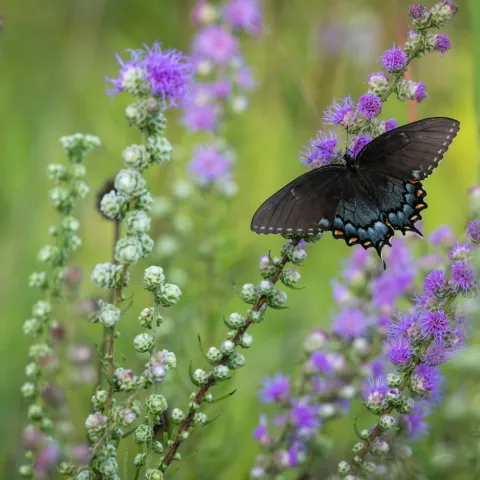
Pipevine Swallowtail Butterfly

The Creatures of My Garden

April 24, 2026
By Penny Pawl, UC Master Gardener of Napa County.  I was just out in my garden where many flowers are in bloom. While looking at a flowering lavender, I counted six or seven honeybees feasting on the nectar in the blue flowers as well as a bumblebee checking out the whole garden. Butterflies were also…
View Article
ANR Contracts & Grants Updates: Article

USDA Local Agriculture Market Program solicitations

April 24, 2026
By Kendra T Rose
Local Food Promotion ProgramThe U.S. Department of Agriculture (USDA), Agricultural Marketing Service (AMS), requests applications for the 2026 fiscal year (FY) Local Food Promotion Program (LFPP). LFPP’s purpose is to support the development, coordination, and expansion of local and regional food business…
View Article
Primary Image
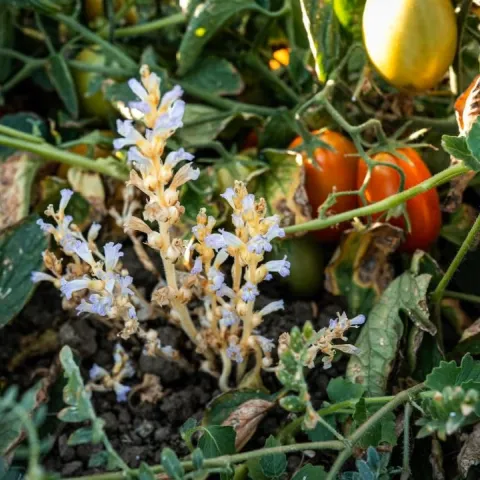
Branched broomrape growing among tomatoes in a research field
Food Blog: Article

Tomato industry taking steps to stop spread of parasitic weed

April 24, 2026
By Emily C. Dooley
 Equipment cleaning could prevent branched broomrape, help growersCalifornia’s processing tomato industry for the first time this past harvest season agreed to voluntary equipment cleaning and notification guidelines to prevent the spread of branched broomrape, a parasitic weed that attaches to roots…
View Article
Primary Image
Pantry staples in mason jars
Fresno Gardening Green: Article

Spring cleaning for indoor pest control

April 24, 2026
For optimal spring cleaning, don’t limit your efforts to dust and grime. Be mindful of the pests that might be hiding in the kitchen, pantry, garage, bedrooms and closets. Pests can hitchhike into homes on infested food from the grocery store. The insects are so small, consumers might not notice until…
View Article