A Natural Solution for California's Herds: African Catfish Peptides

California's cattle producers and agricultural communities are all too familiar with the rising challenge of antibiotic resistance, making common bacterial infections harder to treat in livestock. But imagine a future where we could tackle these infections with a natural, powerful alternative. Our research points to just that: antimicrobial peptides (AMPs) found in African catfish.

We're really excited about these peptides because African catfish thrive in pathogen-rich freshwater, naturally producing these robust immune compounds in their skin mucus as a defense. This natural origin makes them highly appealing alternatives to synthetic drugs.

Predicted Safety and Potent Action

One of the most compelling aspects of these AMPs is their predicted safety for mammals. Our initial computer analyses suggest that various catfish AMPs are generally recognized as safe (GRAS). We predict they'll be absorbed in the human intestine without causing liver, brain, or heart toxicity. Furthermore, lab tests on a promising peptide, NACAP-II, confirmed it was non-hemolytic, meaning it didn't damage rabbit red blood cells—a strong indicator of its potential safety for mammalian cells.

Beyond safety, these peptides demonstrate effectiveness against problematic bacteria. One study revealed NACAP-II's strong activity against Extended-Spectrum Beta-Lactamase (ESBL)-producing Escherichia coli—a critical concern for both animal and human health due to its resistance to many common antibiotics. Another peptide, ACAP-IV, also showed antibacterial activity against E. coli and Staphylococcus aureus. We believe these AMPs work by directly disrupting bacterial cell membranes, a mechanism that makes it harder for bacteria to develop resistance compared to how they resist traditional antibiotics.
UC Master Gardener Program of Contra Costa County: Page

Vegetable Gardening - Handbook for Beginners

Introduction Getting started in the garden doesn’t have to feel overwhelming—or take years to figure out. The Growing Gardeners Program from the Master Gardeners of Contra Costa County is designed to help you jump in with confidence, whether you’re planting your first container, starting a backyard bed,…
View Page
UC Master Gardener Program of Contra Costa County: Article

1.4. Plant Selection

April 25, 2026
By CoCoMG Helpdesk
Vegetable Gardening - Handbook for Beginners Chapter 1.4.During fall and winter, plant double the amount you would during spring and summer, since plants will grow slowly and harvests will be less frequent. Plant what you and your family enjoy eating, and plant enough to meet your family’s needs. Choose…
View Article
UC Master Gardener Program of Contra Costa County: Article

1.3. Growing vegetables in containers

April 25, 2026
By CoCoMG Helpdesk
Vegetable Gardening - Handbook for Beginners Chapter 1.3.There are seven major considerations in container gardening:  How much sun is available? Choose plants according to how much sun or shade they’ll get each day. Most vegetables need at least 6 to 8 hours of direct sun every day. Leafy…
View Article
UC Master Gardener Program of Contra Costa County: Article

1.2. Raised Beds

April 25, 2026
By CoCoMG Helpdesk
 Vegetable Gardening - Handbook for Beginners Chapter 1.2.Raised beds are:Easy to maintain without stepping on loose soil reserved for plant rootsKeeps amended soil separate from pathways and unamended soilPest control is easier - snails, gophers and two-legged crittersCrop rotation is easierOwnership…
View Article
UC Master Gardener Program of Contra Costa County: Article

1.1. Site selection

April 25, 2026
By CoCoMG Helpdesk
Vegetable Gardening - Handbook for Beginners Chapter 1.1. Growing vegetables in your home or garden is good for you, your neighborhood, and for helping to reduce your carbon footprint. Growing vegetables at home can be done in a single pot on your patio or on a larger scale depending upon the space and…
View Article

In memoriam: Ralph Ernst

April 25, 2026
By Pamela S Kan-Rice
Ralph A. Ernst, UC Cooperative Extension poultry specialist emeritus at UC Davis, passed away on March 4, 2026.
View Article
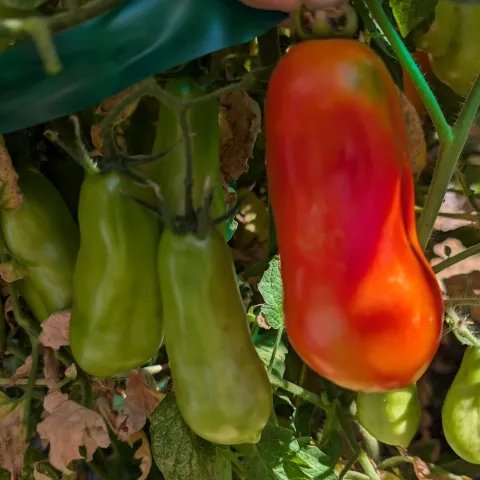
Primary Image
San Marzano tomatoes
UC Master Gardeners of Tuolumne County: Article

Raised Here to Grow Here in Tuolumne County

April 25, 2026
UC Master Gardeners of Tuolumne County are holding their annual plant sale on Saturday, May 2, 2026, during Open Garden Day at their demonstration garden. Located on the campus of Cassina High School at 251 South Barretta Street in Sonora, the sale will take place from 9:00 am to 2:00 pm.  …
View Article
UC Master Gardeners of Tulare and Kings County: Article

Honeydew Producing Insects

April 25, 2026
By Anne Skinner, UC Master Gardener of Tulare/Kings County
Now that spring is arriving in Tulare and Kings Counties, perhaps you've noticed (or will soon) a shrub or tree not looking as vigorous, with a sticky substance on discolored leaves and dirty-looking areas on the leaves. Honeydew is the sticky, clear substance produced as excretion of excess sugar by a leaf…
View Article
UC Master Gardeners of the Lake Tahoe Basin: Article

Tahoe Friendly Gardens Native & Adapted Plants

April 25, 2026
Native and adapted Tahoe Friendly plants require less water, fertilizer and pesticides and can include a diversity of options for your home landscape. They will however require irrigation while getting established the first year. It is a good idea to group plants by their sunlight and moisture requirements…
View Article