A Natural Solution for California's Herds: African Catfish Peptides

California's cattle producers and agricultural communities are all too familiar with the rising challenge of antibiotic resistance, making common bacterial infections harder to treat in livestock. But imagine a future where we could tackle these infections with a natural, powerful alternative. Our research points to just that: antimicrobial peptides (AMPs) found in African catfish.

We're really excited about these peptides because African catfish thrive in pathogen-rich freshwater, naturally producing these robust immune compounds in their skin mucus as a defense. This natural origin makes them highly appealing alternatives to synthetic drugs.

Predicted Safety and Potent Action

One of the most compelling aspects of these AMPs is their predicted safety for mammals. Our initial computer analyses suggest that various catfish AMPs are generally recognized as safe (GRAS). We predict they'll be absorbed in the human intestine without causing liver, brain, or heart toxicity. Furthermore, lab tests on a promising peptide, NACAP-II, confirmed it was non-hemolytic, meaning it didn't damage rabbit red blood cells—a strong indicator of its potential safety for mammalian cells.

Beyond safety, these peptides demonstrate effectiveness against problematic bacteria. One study revealed NACAP-II's strong activity against Extended-Spectrum Beta-Lactamase (ESBL)-producing Escherichia coli—a critical concern for both animal and human health due to its resistance to many common antibiotics. Another peptide, ACAP-IV, also showed antibacterial activity against E. coli and Staphylococcus aureus. We believe these AMPs work by directly disrupting bacterial cell membranes, a mechanism that makes it harder for bacteria to develop resistance compared to how they resist traditional antibiotics.
Primary Image
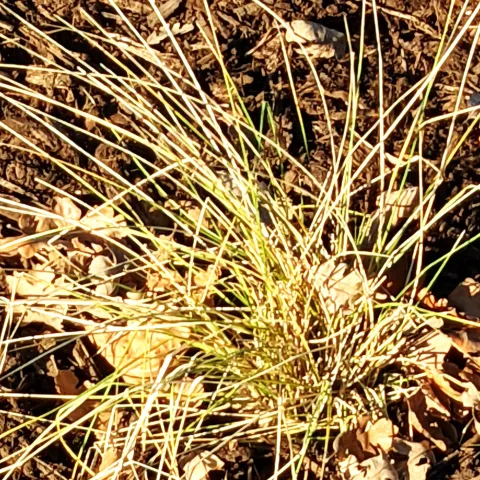
Browning weed in leaf litter
Over the Fence (Alameda County): Article

How Climate Change is Affecting Bay Area Gardens-and Practical Tips for Gardeners

March 13, 2026
By Jim Farr
If you’ve been gardening in Alameda County for a while, you’ve probably noticed “new normals”: more warm nights, more heat spikes, and winter weather that can feel less reliably cold. Those shifts matter in a region where so many of our favorite fruits, vegetables, and ornamentals are tuned to narrow…
View Article
Primary Image
Browning weed in leaf litter
Over the Fence (Alameda County): Article

How Climate Change is Affecting Bay Area Gardens-and Practical Tips for Gardeners

March 13, 2026
By Jim Farr
If you’ve been gardening in Alameda County for a while, you’ve probably noticed “new normals”: more warm nights, more heat spikes, and winter weather that can feel less reliably cold. Those shifts matter in a region where so many of our favorite fruits, vegetables, and ornamentals are tuned to narrow…
View Article
UC Small Grains Blog: Article

May 7th: 2026 UC Small Grains and Alfalfa - Forages Field Day

March 13, 2026
By Mark E Lundy
Please mark your calendars for the 2026 UC Small Grains and Alfalfa/Forages Field Day: May 7th, 2026 7:30 AM - 1:30 PM at the UC Davis Field Facility  Full details and registration will be posted on the UC Small Grains Blog closer to the date. We hope to see you there! …
View Article
Event Primary Image
Gehringer UC Community Garden
UC Master Gardener Program of Contra Costa County: Event

Public Open House: Gehringer Community Garden

Event Date
Apr 4, 2026

Gehringer Community GardenOpen House to Launch a New CA Natives Demonstration Gardenoutside the fencingfree admission,refreshments and snacks,on-site UC Master Gardener Volunteers to answer questionsCalifornia native plant display, andfree seed packets for planting your own garden!
UC Master Gardener Program of Contra Costa County
View Event
Primary Image
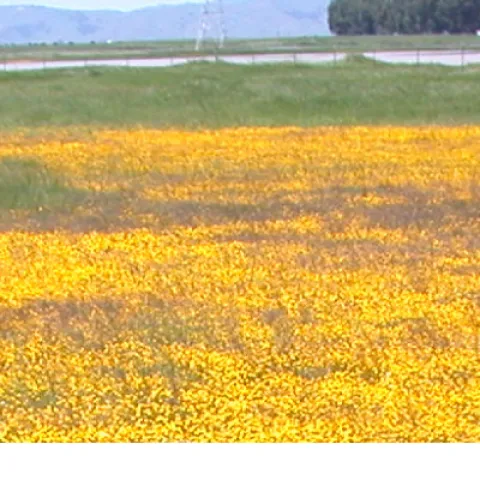
millions of yellow flowers in a superbloom at Jepson Prairie Preserve in Dixon, Ca.
Under the Solano Sun: Article

March Miku

March 13, 2026
By Jennifer M Baumbach
Haiku by Mike GuntherMarch winds blow warm air Spring gives new life to plants Take in a super bloom Banner photo: "Jepson Prairie Preserve" by Native Orchids is licensed under CC BY-NC-SA 2.0.
View Article
Primary Image
Question mark comprised of fruit collage
UC Master Food Preserver: Page

Statewide Helpline

The answer to the trivia question in April's issue of Save the Season is: C) Dehydration   .... evidence of its use dating back to 12,000 BCE in the Middle East. Do you have food safety or food preservation-related questions? Fill out this survey to receive a response from UC Master Food Preserver…
View Page
Primary Image
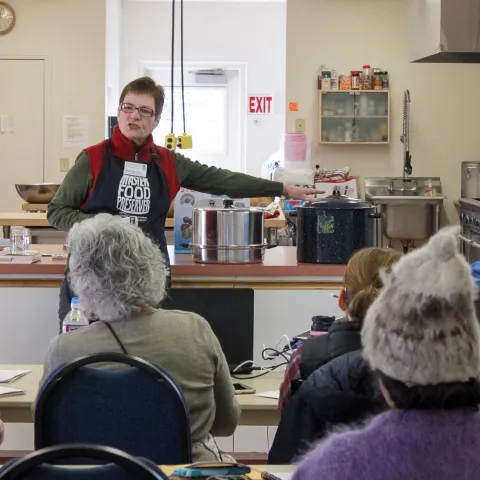
A woman standing in a commercial kitchen in front of an audience teaching.
Eastern Sierra Community and Economy: Article

Volunteering Commitment Changes

March 13, 2026
By Dustin W Blakey
Volunteers are essential to Cooperative Extension programs. Over the past few years I have been reflecting on some challenges facing our office’s programs such as 4-H and Master Gardeners that have emerged since the Covid-19 Pandemic. It feels more difficult to rely on volunteers, and certainly our…
View Article
Event Primary Image
CA State Fair Blue Ribbon
UC Master Food Preservers of Sacramento County: Event

Canning for Competition 101

Event Date
May 20, 2026

Branch Center Kitchen, 4145 Branch Center, Sacramento, CA, 95827
UC Master Food Preservers of Sacramento County
View Event