A Natural Solution for California's Herds: African Catfish Peptides

California's cattle producers and agricultural communities are all too familiar with the rising challenge of antibiotic resistance, making common bacterial infections harder to treat in livestock. But imagine a future where we could tackle these infections with a natural, powerful alternative. Our research points to just that: antimicrobial peptides (AMPs) found in African catfish.

We're really excited about these peptides because African catfish thrive in pathogen-rich freshwater, naturally producing these robust immune compounds in their skin mucus as a defense. This natural origin makes them highly appealing alternatives to synthetic drugs.

Predicted Safety and Potent Action

One of the most compelling aspects of these AMPs is their predicted safety for mammals. Our initial computer analyses suggest that various catfish AMPs are generally recognized as safe (GRAS). We predict they'll be absorbed in the human intestine without causing liver, brain, or heart toxicity. Furthermore, lab tests on a promising peptide, NACAP-II, confirmed it was non-hemolytic, meaning it didn't damage rabbit red blood cells—a strong indicator of its potential safety for mammalian cells.

Beyond safety, these peptides demonstrate effectiveness against problematic bacteria. One study revealed NACAP-II's strong activity against Extended-Spectrum Beta-Lactamase (ESBL)-producing Escherichia coli—a critical concern for both animal and human health due to its resistance to many common antibiotics. Another peptide, ACAP-IV, also showed antibacterial activity against E. coli and Staphylococcus aureus. We believe these AMPs work by directly disrupting bacterial cell membranes, a mechanism that makes it harder for bacteria to develop resistance compared to how they resist traditional antibiotics.
Primary Image
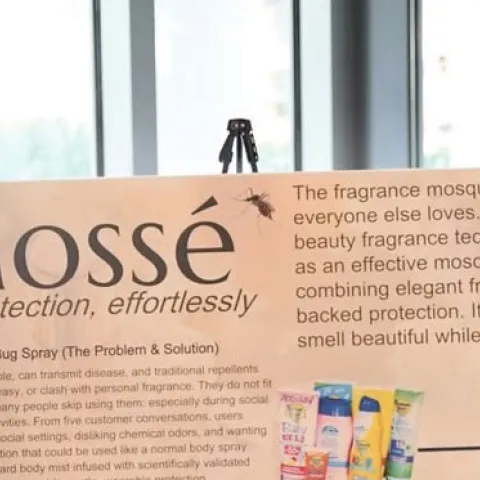
Doctoral candidate CC Edwards with her winning project. (UC Davis Photo)

A 'Little Bang' That Won a Coveted UC Davis Prize

March 16, 2026
By Kathy Keatley Garvey
 Congrats to UC Davis doctoral candidate, mosquito researcher, and entrepreneur Carla-Cristina ("CC")  Edwards.Edwards just won a $1000 prize from the UC Davis Institute for Innovation and Entrepreneurship’s  “Little Bang! Pitch Plus Poster Competition" for her innovative business…
View Article
Topics in Subtropics: Article

Asian Citrus Psyllid Survey

March 16, 2026
By Bodil N Cass
UC ANR Asian Citrus Psyllid Distribution & Management Website Evaluation SurveyWe are currently updating the UC ANR Asian Citrus Psyllid Distribution and Management Website, available here to review before this survey: https://ucanr.edu/site/asian-citrus-psyllid-distribution-and-management …
View Article
UC ANR Fire Network: Page

Recovery for Farmers and Ranchers

California's farmers and ranchers who have experienced wildfire can face major hurdles during the recovery process, including issues with crop loss, infrastructure damage, impacts to livestock health and others. There are state and federal programs available to help offset the costs associated with fire…
View Page
Stanislaus County: Article

Evapotranspiration Report - 3/12/26

March 16, 2026
By Sandi L Gudino
Please find the attached document to provide the previous week’s estimated water use report in terms of evapotranspiration for almonds, peaches, walnuts, established vineyard, alfalfa, and pasture in Stanislaus County. This report may be used as a guide in your irrigation schedule for the…
View Article
Event Primary Image
agriculture field
Monterey County: Event

CropManage Hands-on Workshop

Event Date
Mar 27, 2026

CropManage is a free online decision-support tool for water and nutrient management of vegetables, berries, agronomic, and tree crops. Based on research and field studies conducted by the University of California Cooperative Extension, CropManage provides real-time recommendations for efficient and timely…
Monterey County
View Event
UC ANR Fire Network: Page

Home Garden Produce and Fruit Tree Safety

How Food Becomes Contaminated During wildfires, plants accumulate chemicals and metals in numerous ways, including through deposits of ash on leaf surfaces or soil-root uptake. Plant characteristics also affect the ways these potential contaminants become stored on and within the plant. For example,…
View Page
Event Primary Image
Preparing for Summer
UC Master Gardeners of Solano County: Event

Preparing for Summer

Event Date
May 6, 2026

Learn summer-smart gardening practices to help your garden thrive: *deadheading for continuous blooms *improving soil moisture retention *creating shade to protect plants *simple irrigation adjustmentsImage by NoName_13 from PixabayEvent flyer 
UC Master Gardeners of Solano County
View Event
UC ANR Fire Network: Page

Home Garden Soil Safety

After a wildfire, soils can be impacted in several ways and the cumulative effects of these changes can modify soil productivity and biological diversity, as well as pose health risks to humans and animals. Urban soils are at an increased risk for chemical and heavy metal contamination post-fire because…
View Page
UC ANR Fire Network: Page

Backyard Chicken and Egg Safety

Are Eggs From Your Backyard Safe to Eat Post-Fire?After a wildfire, harmful contaminants are left behind in the soil and water. These contaminants can be ingested by backyard chickens and later be found in the edible portions of their eggs. Out of an abundance of caution, do not eat the eggs from…
View Page