A Natural Solution for California's Herds: African Catfish Peptides

California's cattle producers and agricultural communities are all too familiar with the rising challenge of antibiotic resistance, making common bacterial infections harder to treat in livestock. But imagine a future where we could tackle these infections with a natural, powerful alternative. Our research points to just that: antimicrobial peptides (AMPs) found in African catfish.

We're really excited about these peptides because African catfish thrive in pathogen-rich freshwater, naturally producing these robust immune compounds in their skin mucus as a defense. This natural origin makes them highly appealing alternatives to synthetic drugs.

Predicted Safety and Potent Action

One of the most compelling aspects of these AMPs is their predicted safety for mammals. Our initial computer analyses suggest that various catfish AMPs are generally recognized as safe (GRAS). We predict they'll be absorbed in the human intestine without causing liver, brain, or heart toxicity. Furthermore, lab tests on a promising peptide, NACAP-II, confirmed it was non-hemolytic, meaning it didn't damage rabbit red blood cells—a strong indicator of its potential safety for mammalian cells.

Beyond safety, these peptides demonstrate effectiveness against problematic bacteria. One study revealed NACAP-II's strong activity against Extended-Spectrum Beta-Lactamase (ESBL)-producing Escherichia coli—a critical concern for both animal and human health due to its resistance to many common antibiotics. Another peptide, ACAP-IV, also showed antibacterial activity against E. coli and Staphylococcus aureus. We believe these AMPs work by directly disrupting bacterial cell membranes, a mechanism that makes it harder for bacteria to develop resistance compared to how they resist traditional antibiotics.

Primary Image
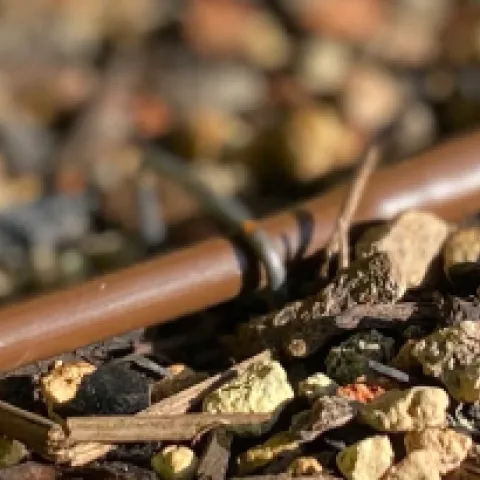
irrigation tubing
UC Marin Master Gardeners: Page

Water Saving Tips

Checking your irrigation system periodically to reduce leaks and help conserve water usage. Photo: L Stiles Almost a third of Marin Countys water is used for irrigation. The majority of Marin residents use around 8,000 gallons or less of water per month.
View Page
Primary Image
Banner rain
UC Marin Master Gardeners: Page

Rain Gardens

This informal rain garden incorporates plants and wildflowers alongside a permeable walkway. Credit: Wikimedia Commons Rain gardens are designed to collect water and beautify a garden. They allow water to sink into the ground in about 48 hours rather than sloshing down storm drains.
View Page
Primary Image
banner mulch
UC Marin Master Gardeners: Page

Applying Mulch

?Where to use mulch ?What to use ?When and how often to apply ?How much do I need ?How to apply ?
View Page
Primary Image
plants
UC Marin Master Gardeners: Page

Plant Terms

Photo: New York Public Library, Unsplash To get more comfortable with plants, its good to familiarize yourself with common plant lingo. Here are some of the ways plants are categorized: Native Native plants are part of a unique ecosystem that evolved over hundreds or thousands of years.
View Page
Primary Image
Banner Tomato market
UC Marin Master Gardeners: Page

Tomato Market

9am until sold out Pini Ace Hardware (NEW Novato San Marin location) 191 San Marin Drive, Novato Bon Air Greenbrae 50 Bon Air Center, Greenbrae NEW: Now accepting credit cards, cash, and checks. The annual UC Marin Master Gardener Tomato Market is our major fundraiser for the year.
View Page
Primary Image
Hands in Soil
UC Marin Master Gardeners: Page

How To Evaluate Soil

Soils vary greatly from one place to another, even in your own garden. No matter how much work you do in your garden, all may be in vain if the quality of your soil is poor. Listed below are some things you can do to get to know your soil.
View Page
Primary Image
Hands in Soil
UC Marin Master Gardeners: Page

What Is Healthy Soil

Earthworms are an excellent indicator of healthy soil. Photo, Sippakorn Yamkasikorn, Pexels Dirt and soil are NOT the same thing. Dirt is a lifeless mixture of minerals, air, and water.
View Page
Primary Image
Hands in Soil
UC Marin Master Gardeners: Page

How to Keep Your Soil Healthy

Once youve got healthy soil, keeping it that way is mostly about maintaining a desirable environment for the many creatures that live there. Here are some of the ways to keep your soil healthy. Allow leaves to decompose in the garden.
View Page
UC Marin Master Gardeners: Page

Adapting to a Changing Climate

To garden successfully as our climate changes, we must adapt our practices. Select climate-appropriate plants and then keep them healthy. Healthy plants are more resilient to climate disruptions. Determine your baseline by documenting your gardens characteristics.
View Page
UC Marin Master Gardeners: Page

Climate & Microclimates

Dry summer hills and fog, typical of our Mediterranean climate. Photo: pxhere.com Like soil and water, climate is a key factor in assessing your site, choosing plants, and ultimately growing a successful garden.
View Page