A Natural Solution for California's Herds: African Catfish Peptides

California's cattle producers and agricultural communities are all too familiar with the rising challenge of antibiotic resistance, making common bacterial infections harder to treat in livestock. But imagine a future where we could tackle these infections with a natural, powerful alternative. Our research points to just that: antimicrobial peptides (AMPs) found in African catfish.

We're really excited about these peptides because African catfish thrive in pathogen-rich freshwater, naturally producing these robust immune compounds in their skin mucus as a defense. This natural origin makes them highly appealing alternatives to synthetic drugs.

Predicted Safety and Potent Action

One of the most compelling aspects of these AMPs is their predicted safety for mammals. Our initial computer analyses suggest that various catfish AMPs are generally recognized as safe (GRAS). We predict they'll be absorbed in the human intestine without causing liver, brain, or heart toxicity. Furthermore, lab tests on a promising peptide, NACAP-II, confirmed it was non-hemolytic, meaning it didn't damage rabbit red blood cells—a strong indicator of its potential safety for mammalian cells.

Beyond safety, these peptides demonstrate effectiveness against problematic bacteria. One study revealed NACAP-II's strong activity against Extended-Spectrum Beta-Lactamase (ESBL)-producing Escherichia coli—a critical concern for both animal and human health due to its resistance to many common antibiotics. Another peptide, ACAP-IV, also showed antibacterial activity against E. coli and Staphylococcus aureus. We believe these AMPs work by directly disrupting bacterial cell membranes, a mechanism that makes it harder for bacteria to develop resistance compared to how they resist traditional antibiotics.
Primary Image
Potted plants ready for sale
Fresno Gardening Green: Article

Master Gardeners grow healthy plants for local community

March 5, 2026
By Jeannette Warnert
 Volunteers at the Fresno County Master Gardeners’ Garden of the Sun have worked full tilt for six months to produce thousands of reasonably priced landscape and vegetable plants for the public, aiming to encourage residents to reap the physical and mental health benefits of growing beautiful, healthful…
View Article
Primary Image
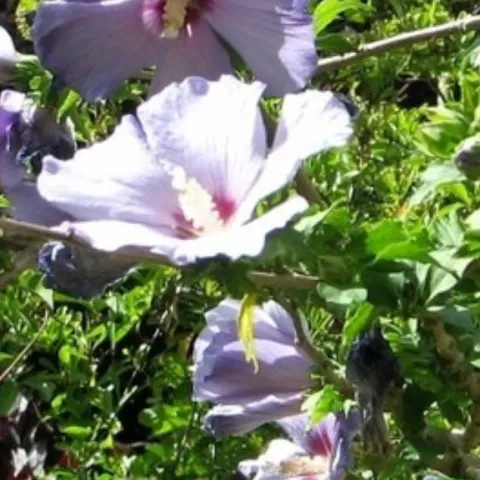
Lavender hibiscus flower
Fresno Gardening Green: Article

This week in the garden: March 6 - 12

March 5, 2026
Wait until after the danger of frost has passed to set out frost-tender plants. Historic frost dates: In Zone 8 the last frost date is March 15 and in Zone 9 it is February 15, but watch the weather forecast for your area.TasksClean up drying grasses within 30 feet of structures for fire prevention. This…
View Article
Primary Image
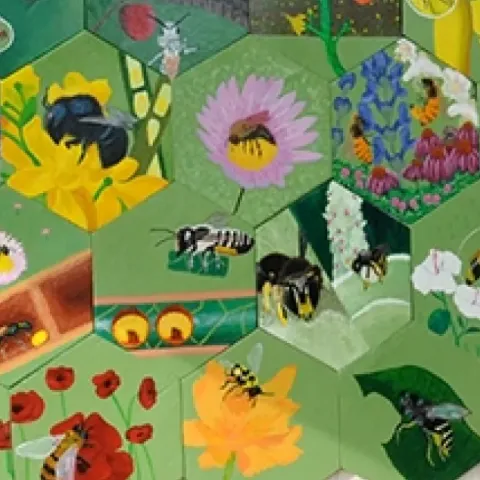
Then UC Davis doctoral student Sarah Dalrymple pointing to the art on the garden shed. (Photo by Kathy Keatley Garvey)

The Native Bees in the UC Davis Bee Haven

March 4, 2026
By Kathy Keatley Garvey
 The UC Davis Bee Haven is not just the home of honey bees, Apis mellifera. The half-acre pollinator demonstration garden, installed in the fall of 2009 by the UC Davis Department of Entomology and Nematology (ENT), is also the home sweet home of native bees, plus many other pollinators.Located at…
View Article
Citrus IPM News: Article

Three Updates from the Citrus IPM Program

March 4, 2026
By Sandipa Gautam
⭐Update 1: ACP HLB Outreach Day is tomorrow, March 5 at LREC Conference Room!Asian Citrus Psyllid and Huanglongbing will be held Lindcove Conference Room on Thursday, March 05, 2026. This is a great opportunity for citrus pest control advisors and growers to learn about the current status of ACP and HLB in…
View Article
UC Master Food Preservers of San Joaquin County: Page

Contact Us

Contact Us:San Joaquin UCCE Office: 209-953-6100 Robert Cabral Agricultural Center 2101 East Earhart Avenue Stockton, CA 95206  Ask a Master Food Preserver Submit your food preservation questions and receive research-based guidance from UC Master Food Preserver volunteers. Please use this Help Desk…
View Page
Event Primary Image
seeds on a table
UC Master Gardeners of Ventura County: Event

The Magic of Seeds: Amazing Facts Every Gardener Should Know/Ventura

Event Date
Apr 15, 2026

The Magic of Seeds: Amazing Facts Every Gardener Should Know Photo credit Pixabay Discover the remarkable world of seeds and the surprising secrets they hold—from why a tiny lettuce seed can produce a giant head in weeks, to why beet "seeds" need thinning (hint: they're actually seed clusters!). We…
UC Master Gardeners of Ventura County
View Event
Cooperative Extension Ventura County: Article

TEST Topics in Subtropics Winter 2026

March 4, 2026
By Lindsey Torres
TOPICS IN THIS ISSUE •Irrigation Practices and Water Management inAvocados •Asphyxiation •Cellulase Activity in Mulches •Guava Pest Alert •Putting Bees to Work to ID Sunblotch •Field Trial Results You Can Use: Citrus ThripsInsecticide Research •And three great workshops coming up 
View Article
Event Primary Image
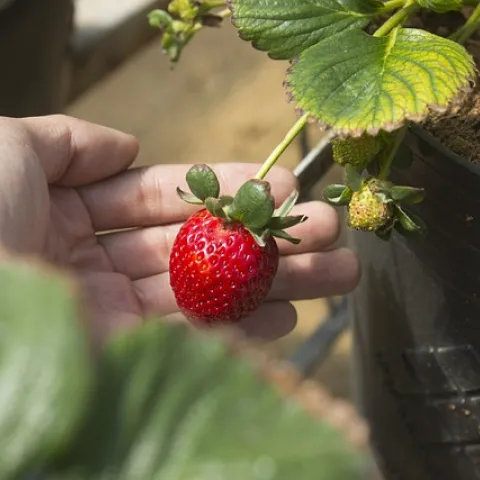
strawberry in a pot
UC Master Gardeners of Ventura County: Event

Vegetable Container Gardening/Fillmore Library

Event Date
Apr 13, 2026

Vegetable Container GardeningPhoto credit PixabayJoin  VC Master Gardener Terry Garman, for a talk on growing vegetables in containers. It is an easy, fun way to get healthy veggies on the table when space is an issue. Learn which veggies grow best in containers as well as information on soil,…
UC Master Gardeners of Ventura County
View Event