A Natural Solution for California's Herds: African Catfish Peptides

California's cattle producers and agricultural communities are all too familiar with the rising challenge of antibiotic resistance, making common bacterial infections harder to treat in livestock. But imagine a future where we could tackle these infections with a natural, powerful alternative. Our research points to just that: antimicrobial peptides (AMPs) found in African catfish.

We're really excited about these peptides because African catfish thrive in pathogen-rich freshwater, naturally producing these robust immune compounds in their skin mucus as a defense. This natural origin makes them highly appealing alternatives to synthetic drugs.

Predicted Safety and Potent Action

One of the most compelling aspects of these AMPs is their predicted safety for mammals. Our initial computer analyses suggest that various catfish AMPs are generally recognized as safe (GRAS). We predict they'll be absorbed in the human intestine without causing liver, brain, or heart toxicity. Furthermore, lab tests on a promising peptide, NACAP-II, confirmed it was non-hemolytic, meaning it didn't damage rabbit red blood cells—a strong indicator of its potential safety for mammalian cells.

Beyond safety, these peptides demonstrate effectiveness against problematic bacteria. One study revealed NACAP-II's strong activity against Extended-Spectrum Beta-Lactamase (ESBL)-producing Escherichia coli—a critical concern for both animal and human health due to its resistance to many common antibiotics. Another peptide, ACAP-IV, also showed antibacterial activity against E. coli and Staphylococcus aureus. We believe these AMPs work by directly disrupting bacterial cell membranes, a mechanism that makes it harder for bacteria to develop resistance compared to how they resist traditional antibiotics.
Primary Image
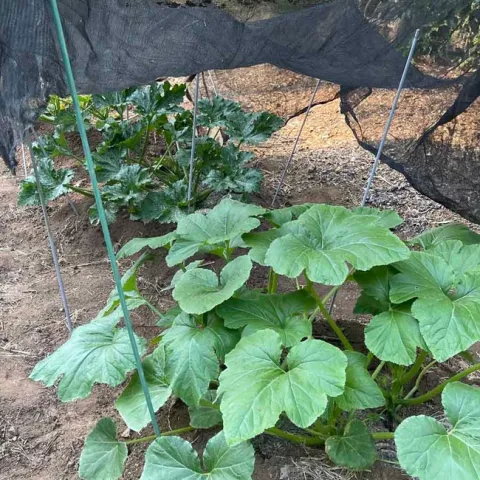
Screen cloth positioned over late season summer squash. Alton Wright
The Real Dirt: Article

Cooling the Garden Landscape

September 20, 2024
It's Autumn! As we shift to cooler weather, take time to evaluate your garden's damage and stress caused by this summer's extreme heat. This is the perfect time to devise long-term cooling and shading strategies to reduce sun and heat damage in the future.
View Article
Primary Image
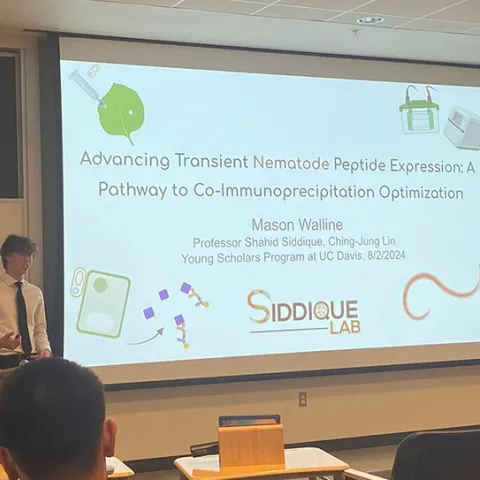
Mason Walline won second place in the UC Davis Young Scholars Program "Summer Slam" (Elevator Pitch or short-version), competing with some 35 other students. (Photo by Ching-Jung Lin)
Bug Squad: Article

They Spent Their Summer Doing Research in a UC Davis Nematology Lab

September 19, 2024
By Kathy Keatley Garvey
It's great to see two high school seniors spend their summer doing research in a UC Davis nematology lab as young scholars in the UC Davis Young Scholars Program (YSP) YSP is a six-week summer residential program that introduces several dozen high-achieving high school students to original research...
View Article
UC Cooperative Extension Imperial County: Article

September 2024

September 19, 2024
September 2024 CattleCal newsletter featuring 2024 interns, research highlights, Dr. John Wagner, avian flu in cattle, and a FAMACHA workshop.
View Article
Primary Image
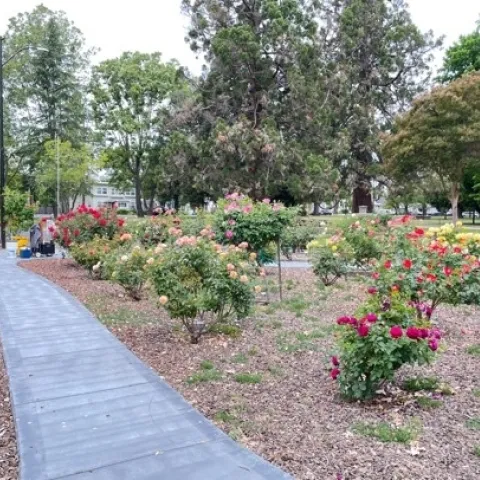
Rose Corral October 2024
Spill the Beans: Article

Rose Garden Corral – October 2024

September 19, 2024
The October Master Gardener's Rose Cycle chart (https://napamg.ucanr.edu/files/254549.pdf) has us continuing to deadhead and removing infected leaves that show yellowing, black spots, browning edges and/or have pests lurking among the blossoms and stems.
View Article
Article

UC ANR's commitment to helping youth thrive

September 19, 2024
By Pamela S Kan-Rice
Dear Colleagues, As you've undoubtedly seen in news reports for the past several months, our society continues to become more polarized. One aspect of that has been a back-pedaling by many corporations from expanded goals related to diversity, equity and inclusion (DEI).
View Article
Primary Image
Ashraf's lecture
Lindcove Research and Extension Center News: Article

Citrus Workshop for Hanford FFA Students at LREC

September 18, 2024
By Sandipa Gautam
Lindcove REC recently organized a Citrus Workshop for Hanford FFA Students reinforcing our dedication to Youth Outreach and Education to nurture the future generation of agriculturists. On September 18, 2024, Sophomore students from Hanford High School visited LREC.
View Article
Primary Image
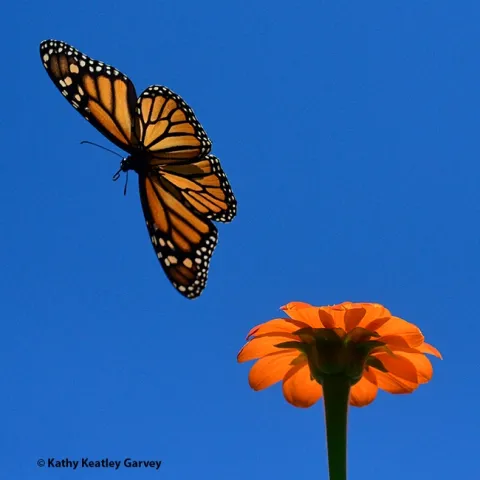
A monarch butterfly gliding over a Mexican sunflower, Tithonia rotundifola on Sept. 17 in a Vacaville garden. (Photo by Kathy Keatley Garvey)
Bug Squad: Article

Wings Up! Let's Go!

September 18, 2024
By Kathy Keatley Garvey
Wings up! Let's go! The monarch fall migration is underway. "Unlike most other insects in temperate climates, monarch butterflies cannot survive a long cold winter. Instead, they spend the winter in roosting spots," explains Monarch Watch.
View Article