A Natural Solution for California's Herds: African Catfish Peptides

California's cattle producers and agricultural communities are all too familiar with the rising challenge of antibiotic resistance, making common bacterial infections harder to treat in livestock. But imagine a future where we could tackle these infections with a natural, powerful alternative. Our research points to just that: antimicrobial peptides (AMPs) found in African catfish.

We're really excited about these peptides because African catfish thrive in pathogen-rich freshwater, naturally producing these robust immune compounds in their skin mucus as a defense. This natural origin makes them highly appealing alternatives to synthetic drugs.

Predicted Safety and Potent Action

One of the most compelling aspects of these AMPs is their predicted safety for mammals. Our initial computer analyses suggest that various catfish AMPs are generally recognized as safe (GRAS). We predict they'll be absorbed in the human intestine without causing liver, brain, or heart toxicity. Furthermore, lab tests on a promising peptide, NACAP-II, confirmed it was non-hemolytic, meaning it didn't damage rabbit red blood cells—a strong indicator of its potential safety for mammalian cells.

Beyond safety, these peptides demonstrate effectiveness against problematic bacteria. One study revealed NACAP-II's strong activity against Extended-Spectrum Beta-Lactamase (ESBL)-producing Escherichia coli—a critical concern for both animal and human health due to its resistance to many common antibiotics. Another peptide, ACAP-IV, also showed antibacterial activity against E. coli and Staphylococcus aureus. We believe these AMPs work by directly disrupting bacterial cell membranes, a mechanism that makes it harder for bacteria to develop resistance compared to how they resist traditional antibiotics.

Primary Image
Marvin J. Snyder
ANR Employee News: Article

In memoriam: Marvin Snyder

September 20, 2024
By Pamela S Kan-Rice
Marvin John Snyder, UC Cooperative Extension vegetable advisor emeritus, passed away on Sept. 6, 2024, at Merrill Gardens in Santa Maria. He was 96. The North Dakota native earned a bachelor's degree in agriculture from Iowa State University. Immediately following graduation, he enlisted in the U.S.
View Article
Primary Image
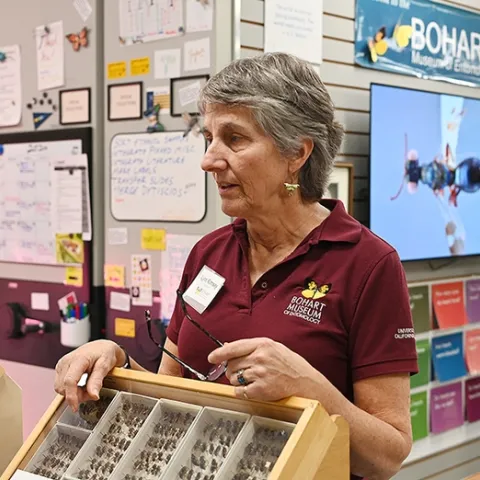
UC Davis distinguished professor emerita Lynn Kimsey directed the Bohart Museum of Entomology for 34 years. (Photo by Kathy Keatley Garvey)
Bug Squad: Article

Remembering Richard 'Doc' Bohart

September 20, 2024
By Kathy Keatley Garvey
The date of Sept. 28 is significant. It's the birthday anniversary of noted entomologist Richard "Doc" Bohart (1913-2007), founder of the Bohart Museum of Entomology, University of California, Davis.
View Article
Primary Image
Maggie Swanson, GrizzlyCorps Fellow at Hopland Research and Extension Center
Hopland REC: Article

Meet New HREC GrizzlyCorps Fellow - Maggie Swanson

September 20, 2024
By Hannah M Bird
My name is Maggie (she/her), HREC's newest GrizzlyCorps fellow, alongside Brenda. Under the mentorship of Hannah Bird and John Bailey, I will be supporting the REC in land management projects and youth education programs. I hail from Milton, Massachusetts, a town just south of Boston.
View Article
Primary Image
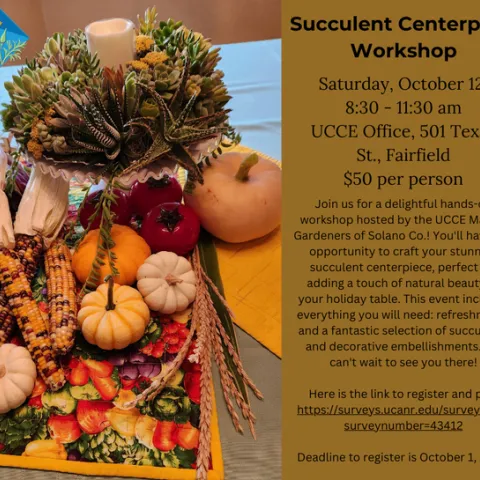
MGS Succulent centerpiece 2024
Under the Solano Sun: Article

Succulent Centerpiece Workshop (Hands-On)

September 20, 2024
By Jennifer M Baumbach
Join us for a hands-on, creative adventure where you'll design a one-of-a-kind succulent centerpiece to bring your holiday table to life.
View Article
Primary Image
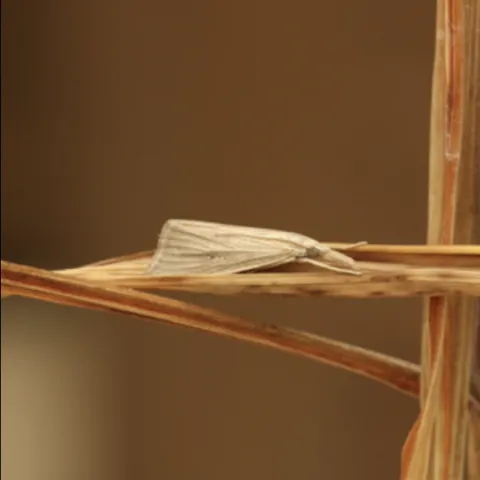
A moth sits on a blade of rice
Supporting Small Farms: Article

New Pest in Fresno Lemongrass

September 20, 2024
By Emily Kraus
There is a new pest in town affecting the small farms in Fresno County. In November of 2023, the Mexican Rice Borer (MRB)(Eoreuma loftini) was noted by Hmong lemongrass growers and brought to the attention of the previous Fresno Small Farms Advisor Dr. Ruth Dahlquist-Willard.
View Article
Primary Image
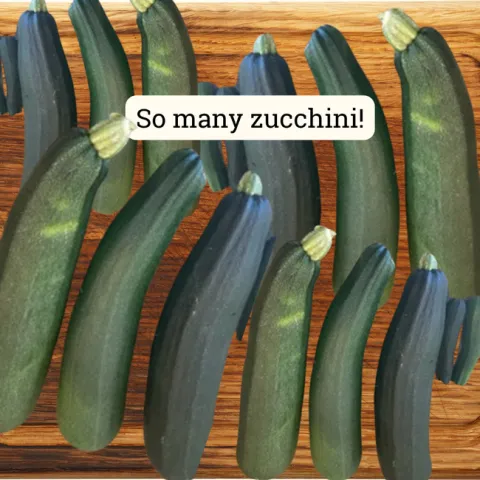
Cutting board with many zucchini
Master Food Preserver SLO/SB Counties: Article

Too Many Zucchini? Try Dehydrated Zucchini Flour

September 20, 2024
By Maria Murrietta
Dehydrated Zucchini Flour Lynn Pastusak, UC Master Food Preserver Volunteer I went out of town for four days and came home to massive zucchini!! What was I going to do with these monsters? I hate to throw away good food, especially beautiful home grown food.
View Article
Primary Image
vegetables cropped
Supporting Small Farms: Article

There's a New Advisor in Town!

September 20, 2024
By Emily Kraus
Hello Small Farms Community! My name is Emily Kraus and I am excited to announce that I have joined the UCCE Small Farms team in Fresno. Back in June (2024), I made the treck to Fresno from Florida. I had a little time to settle in before beginning my new role here in July.
View Article
Primary Image
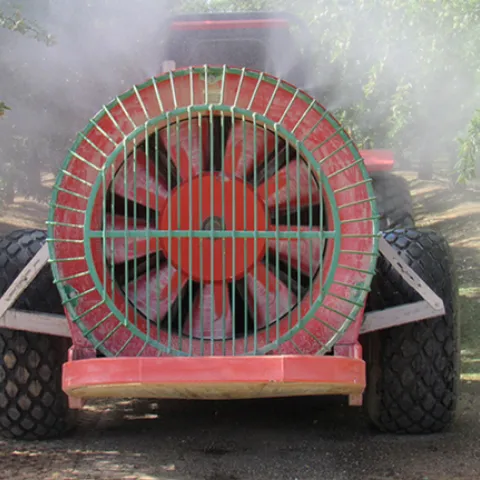
air blast sprayer
Topics in Subtropics: Article

Calibrating an Airblast Sprayer

September 20, 2024
By Ben A Faber
Get an airblast sprayer in the right condition so it can do its job right. Read a summary of calibrating an airblast sprayer https://www.sacvalleyorchards.com/almonds/foliar-diseases/pre-season-airblast-sprayer-calibration/ Using a calibration guide https://ccag-eh.ucanr.edu/files/241473.
View Article
Primary Image
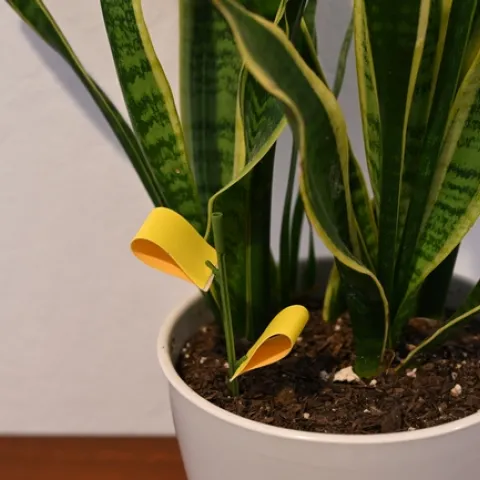
Yellow sticky traps in a potted houseplant can help monitor for fungus gnats. (Photo: Krystle Hickman, UC IPM)
Fresno Gardening Green: Article

Gnats in your houseplants?

September 20, 2024
If you've noticed tiny, dark insects flying around your houseplants, you likely have fungus gnats. These tiny flies can be a nuisance indoors and may also damage your plants. Fungus gnats lay their eggs in moist soil and their larvae feed on plant roots and decaying organic matter.
View Article
Primary Image
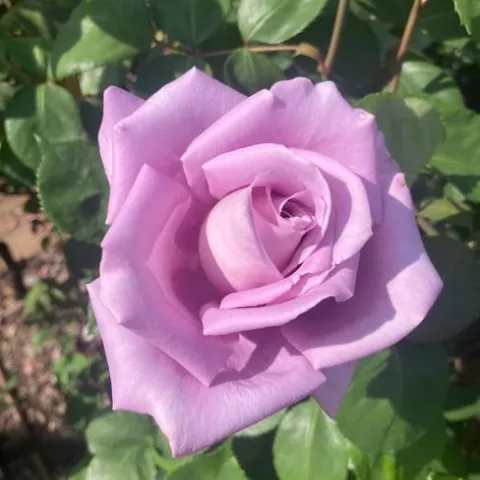
As the weather cools in the fall, the last of the year's roses bloom. (Photo: Jeannette Warnert)
Fresno Gardening Green: Article

This week in the garden: Sept. 20 - 26

September 20, 2024
Enjoy the last flush of blooming roses along with the bounty of the fall harvest. Tasks Adjust watering systems as weather cools. Remove and dispose of any fruit and nuts that cling to the tree. To discourage spider mites, spray hedges and shrubs with water to clean them and keep them free of dust.
View Article