A Natural Solution for California's Herds: African Catfish Peptides

California's cattle producers and agricultural communities are all too familiar with the rising challenge of antibiotic resistance, making common bacterial infections harder to treat in livestock. But imagine a future where we could tackle these infections with a natural, powerful alternative. Our research points to just that: antimicrobial peptides (AMPs) found in African catfish.

We're really excited about these peptides because African catfish thrive in pathogen-rich freshwater, naturally producing these robust immune compounds in their skin mucus as a defense. This natural origin makes them highly appealing alternatives to synthetic drugs.

Predicted Safety and Potent Action

One of the most compelling aspects of these AMPs is their predicted safety for mammals. Our initial computer analyses suggest that various catfish AMPs are generally recognized as safe (GRAS). We predict they'll be absorbed in the human intestine without causing liver, brain, or heart toxicity. Furthermore, lab tests on a promising peptide, NACAP-II, confirmed it was non-hemolytic, meaning it didn't damage rabbit red blood cells—a strong indicator of its potential safety for mammalian cells.

Beyond safety, these peptides demonstrate effectiveness against problematic bacteria. One study revealed NACAP-II's strong activity against Extended-Spectrum Beta-Lactamase (ESBL)-producing Escherichia coli—a critical concern for both animal and human health due to its resistance to many common antibiotics. Another peptide, ACAP-IV, also showed antibacterial activity against E. coli and Staphylococcus aureus. We believe these AMPs work by directly disrupting bacterial cell membranes, a mechanism that makes it harder for bacteria to develop resistance compared to how they resist traditional antibiotics.
Primary Image
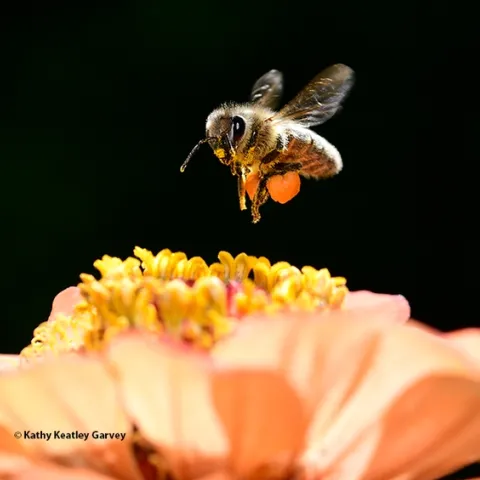
A honey bee packing a huge load of orange pollen from zinnias as it heads for another blossom in a Vacaville garden. (Photo by Kathy Keatley Garvey)
Bug Squad: Article

No Labor Day Holiday for the Honey Bees

September 2, 2024
By Kathy Keatley Garvey
Holiday? What holiday? It's Labor Day, but honey bees aren't relaxing. They're out in force collecting nectar, pollen, water and propolis.
View Article
Preservation Notes - San Joaquin Master Food Preservers: Article

Packing Kid Friendly Lunches: A Guide to Preventing Foodborne Illness

September 1, 2024
As the new school year begins, packing a nutritious and safe lunch for your child is a top priority. While it's essential to provide balanced meals that fuel their day, it's equally crucial to ensure that these meals are free from foodborne pathogens.
View Article
Primary Image
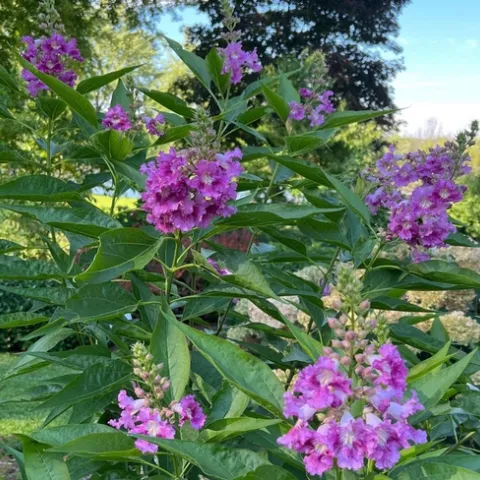
Chitalpa ‘El Niño’ (Photo: Susan Rosenthal)
Fresno Gardening Green: Article

September Plant of the Month: Chitalpa ‘El Niño’

September 1, 2024
This cross between Chilopsis (desert willow) and Catalpa was introduced just a few years ago and is the only shrub form Chitalpa. Growing 5 to 8 feet tall and 3 to 4 feet wide, it produces pinkish purple orchid- or snapdragon-like blooms in spring and sporadically throughout summer.
View Article
Primary Image
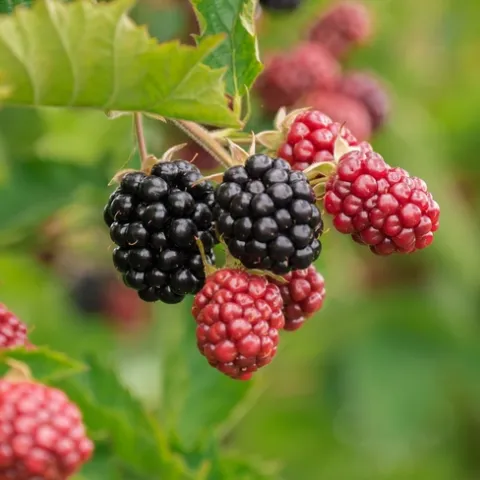
berry-3513546 1280 Pixabay
Napa Master Gardener Column: Article

What makes a berry a berry?

August 31, 2024
What makes a berry a berry? Recently, the host of a new cooking show asked if a cranberry (the key ingredient in a cooking challenge) was really a berry. Her question piqued my curiosity. Although I like berries, my attention to them is usually limited to their use as a yogurt topping or dessert.
View Article
Primary Image
A man in a cowboy hat hands Oli a plaque. Marti stands beside Oli.
ANR Employee News: Article

Celebration Corner

August 30, 2024
By Pamela S Kan-Rice
Wang, Bachie, Snell, Rethwisch receive National County Agents Association recognition The National Association of County Agricultural Agents (NACAA) held its 2024 annual meeting/ professional improvement conference in July in Dallas, Texas.
View Article