A Natural Solution for California's Herds: African Catfish Peptides

California's cattle producers and agricultural communities are all too familiar with the rising challenge of antibiotic resistance, making common bacterial infections harder to treat in livestock. But imagine a future where we could tackle these infections with a natural, powerful alternative. Our research points to just that: antimicrobial peptides (AMPs) found in African catfish.

We're really excited about these peptides because African catfish thrive in pathogen-rich freshwater, naturally producing these robust immune compounds in their skin mucus as a defense. This natural origin makes them highly appealing alternatives to synthetic drugs.

Predicted Safety and Potent Action

One of the most compelling aspects of these AMPs is their predicted safety for mammals. Our initial computer analyses suggest that various catfish AMPs are generally recognized as safe (GRAS). We predict they'll be absorbed in the human intestine without causing liver, brain, or heart toxicity. Furthermore, lab tests on a promising peptide, NACAP-II, confirmed it was non-hemolytic, meaning it didn't damage rabbit red blood cells—a strong indicator of its potential safety for mammalian cells.

Beyond safety, these peptides demonstrate effectiveness against problematic bacteria. One study revealed NACAP-II's strong activity against Extended-Spectrum Beta-Lactamase (ESBL)-producing Escherichia coli—a critical concern for both animal and human health due to its resistance to many common antibiotics. Another peptide, ACAP-IV, also showed antibacterial activity against E. coli and Staphylococcus aureus. We believe these AMPs work by directly disrupting bacterial cell membranes, a mechanism that makes it harder for bacteria to develop resistance compared to how they resist traditional antibiotics.
UC Small Grains Blog: Article

2024 Kearney Field Crops, Alfalfa and Forage Field Day

August 20, 2024
By Nicholas E Clark
No cost to attend! All are welcome. To view the agenda, click or follow this link: https://ucanr.edu/sites/kingscounty/files/401843.pdf Pre-registration helps us plan lunch. To register, click or follow this link: https://surveys.ucanr.edu/survey.
View Article
Primary Image
California poppies, orange and bright
The Savvy Sage: Article

Native Bees and Climate Change

August 20, 2024
When we consider the health and balance of our ecosystems, native bees emerge as unsung heroes playing a crucial role.
View Article
Primary Image
photo by Lisa Rico

Know Your Scat

August 20, 2024
Recently, I planted a new butterfly garden about a hundred feet from my house. I love it and each morning I go down with my coffee, look around and admire the new plants that I envision will attract a gazillion butterflies in the months and years to come.
View Article
Primary Image
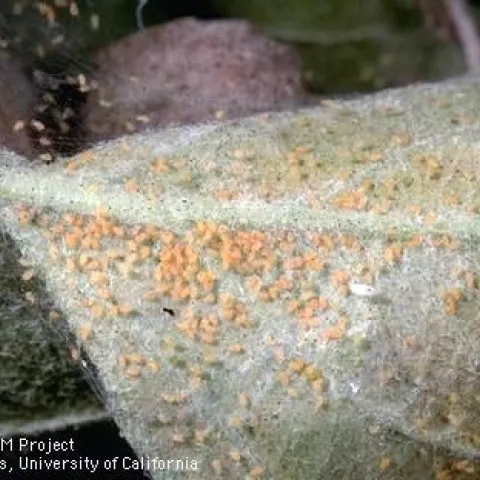
Leaf with webbing covered in tiny orange insects.
The Stanislaus Sprout: Article

Spider Mites

August 20, 2024
By Anne E Schellman
Why is my squash plant covered in webbing? My grape vine has lots of webbing and yellowing leaves, but I do not see any spiders.
View Article
Primary Image
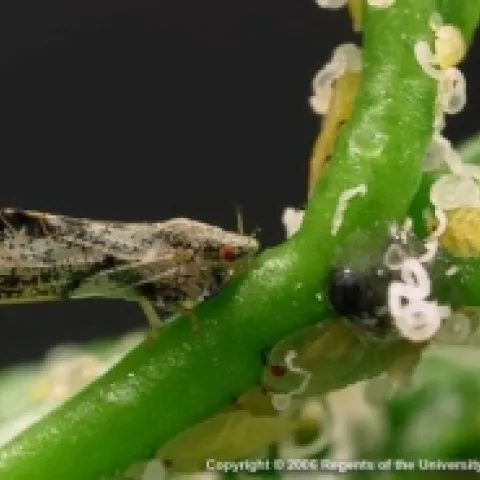
ACP adult and nymph

ACP Training - English and Spanish

August 20, 2024
By Ben A Faber
The Citrus Pest and Disease Prevention Program is hosting free training workshops for field crew supervisors and farm labor contractors in Riverside and Ventura counties this month.
View Article
Kings County UC Cooperative Extension: Article

2024 Kearney Field Crops, Alfalfa and Forage Field Day

August 20, 2024
2024 Kearney Field Crops, Alfalfa and Forage Field Day Friday, September 13, 2024 7 am - 12:10 pm Sponsor: Tulare/Kings County Cooperative Extension Pre-registration guarantees lunch for you. Register by clicking or following this link: https://surveys.ucanr.edu/survey.
View Article
Primary Image
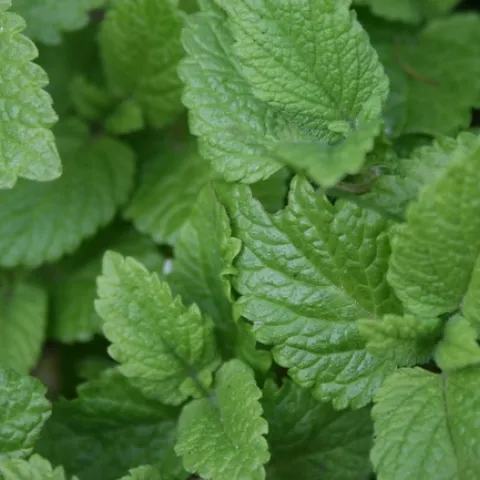
lemon-balm-787626 1280 Pixabay

Newcomers – The Good and the Bad

August 20, 2024
I went to the Santa Cruz farmers market last week and meandered over to a plant stand. Someone was selling lemon balm in a pot for four dollars. Why would anyone pay for one of those? I mused out loud. I have hundreds I would gladly give away.
View Article

2024 Kearney Field Crops, Alfalfa and Forage Field Day

August 20, 2024
By Nicholas E Clark
No cost to attend! All are welcome. Interactive field demonstrations for best integrated weed management practices will be featured this year! To view the agenda, click or follow this link: https://ucanr.edu/sites/kingscounty/files/401656.pdf Pre-registration helps us plan lunch.
View Article
UC Dry Bean Blog: Article

2024 Kearney Field Crops, Alfalfa and Forage Field Day

August 20, 2024
By Nicholas E Clark
No cost to attend! All are welcome. To view the agenda, click or follow this link: https://ucanr.edu/sites/kingscounty/files/401843.pdf Pre-registration helps us plan lunch. To register, click or follow this link: https://surveys.ucanr.edu/survey.
View Article