A Natural Solution for California's Herds: African Catfish Peptides

California's cattle producers and agricultural communities are all too familiar with the rising challenge of antibiotic resistance, making common bacterial infections harder to treat in livestock. But imagine a future where we could tackle these infections with a natural, powerful alternative. Our research points to just that: antimicrobial peptides (AMPs) found in African catfish.

We're really excited about these peptides because African catfish thrive in pathogen-rich freshwater, naturally producing these robust immune compounds in their skin mucus as a defense. This natural origin makes them highly appealing alternatives to synthetic drugs.

Predicted Safety and Potent Action

One of the most compelling aspects of these AMPs is their predicted safety for mammals. Our initial computer analyses suggest that various catfish AMPs are generally recognized as safe (GRAS). We predict they'll be absorbed in the human intestine without causing liver, brain, or heart toxicity. Furthermore, lab tests on a promising peptide, NACAP-II, confirmed it was non-hemolytic, meaning it didn't damage rabbit red blood cells—a strong indicator of its potential safety for mammalian cells.

Beyond safety, these peptides demonstrate effectiveness against problematic bacteria. One study revealed NACAP-II's strong activity against Extended-Spectrum Beta-Lactamase (ESBL)-producing Escherichia coli—a critical concern for both animal and human health due to its resistance to many common antibiotics. Another peptide, ACAP-IV, also showed antibacterial activity against E. coli and Staphylococcus aureus. We believe these AMPs work by directly disrupting bacterial cell membranes, a mechanism that makes it harder for bacteria to develop resistance compared to how they resist traditional antibiotics.

Primary Image
A woman speaks to a group of people sitting at desks. The slide on the screen reads: The VINE Studio Innovation Process.
ANR News Releases: Article

Innovators in academia gear up for VINE Build workshops

May 6, 2024
By Pamela S Kan-Rice
A series of VINE Build workshops aimed at equipping academic innovators with essential pathways to bring new inventions to market is being sponsored by The VINE, an initiative of University of California Agriculture and Natural Resources (UC ANR), in collaboration with Farmhand Ventures.
View Article
Strawberries and Caneberries: Article

Angular Leaf Spot - Time to Worry?

May 6, 2024
By Mark P Bolda, Yu-Chen Wang
Following the rain of this past week Saturday, we've been hearing about a pretty significant outbreak of angular leaf spot in strawberry. We include some pictures from a field of Cabrillo taken the morning of May 6.
View Article
Primary Image
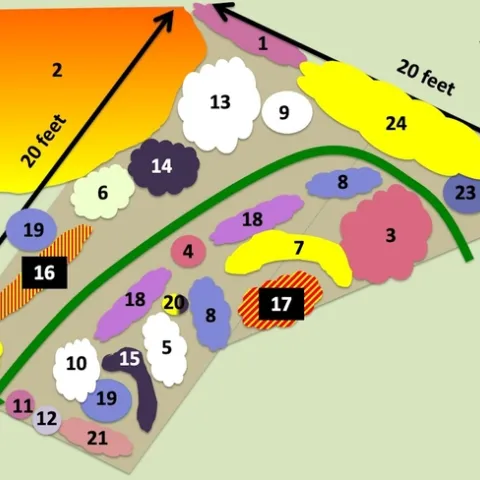
Pollinator garden planting plan

Build Your Own Bee Haven -- Planting and Maintenance

May 6, 2024
A previous blog covered the steps to take before starting a bee garden. Now it's time to talk about the plants and how to take care of them. Plant selection depends on many factors, including personal preference, climate, soil type, irrigation frequency, and plant availability.
View Article
Primary Image
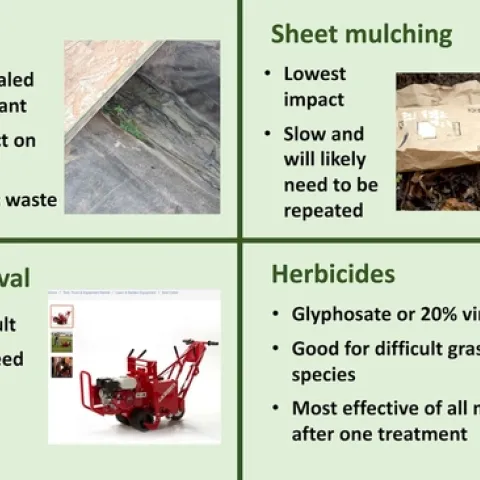
List of options for turf removal

Build Your Own Bee Haven -- Preparation

May 6, 2024
I've spoken with countless gardeners over the years who wish to start their own bee haven. That's great -- the bees need all the help we can give them. But the most misunderstood part of the process is how much preparation needs to take place before a single plant goes in the ground.
View Article
Colusa County: Article

May 2024 - Seeking Tadpole Shrimp Collaborators

May 6, 2024
UCANR is looking for fields where we can sample tadpole shrimp to test for pyrethroid resistance/susceptibility. We will be gathering soil/shrimp and then using these samples to run laboratory bioassays and measure susceptibility if we get enough shrimp.
View Article
Primary Image
May IPM tips
Pests in the Urban Landscape: Article

May Pest Prevention Tips

May 6, 2024
By Lauren Fordyce
May is here and with all the fluctuations in our weather lately, there is a lot going on in the landscape! Follow these general tips for the month of May to prevent pests. To see more tips specific to your region, visit the Seasonal Landscape IPM Checklist on the UC IPM website.
View Article