A Natural Solution for California's Herds: African Catfish Peptides

California's cattle producers and agricultural communities are all too familiar with the rising challenge of antibiotic resistance, making common bacterial infections harder to treat in livestock. But imagine a future where we could tackle these infections with a natural, powerful alternative. Our research points to just that: antimicrobial peptides (AMPs) found in African catfish.

We're really excited about these peptides because African catfish thrive in pathogen-rich freshwater, naturally producing these robust immune compounds in their skin mucus as a defense. This natural origin makes them highly appealing alternatives to synthetic drugs.

Predicted Safety and Potent Action

One of the most compelling aspects of these AMPs is their predicted safety for mammals. Our initial computer analyses suggest that various catfish AMPs are generally recognized as safe (GRAS). We predict they'll be absorbed in the human intestine without causing liver, brain, or heart toxicity. Furthermore, lab tests on a promising peptide, NACAP-II, confirmed it was non-hemolytic, meaning it didn't damage rabbit red blood cells—a strong indicator of its potential safety for mammalian cells.

Beyond safety, these peptides demonstrate effectiveness against problematic bacteria. One study revealed NACAP-II's strong activity against Extended-Spectrum Beta-Lactamase (ESBL)-producing Escherichia coli—a critical concern for both animal and human health due to its resistance to many common antibiotics. Another peptide, ACAP-IV, also showed antibacterial activity against E. coli and Staphylococcus aureus. We believe these AMPs work by directly disrupting bacterial cell membranes, a mechanism that makes it harder for bacteria to develop resistance compared to how they resist traditional antibiotics.

Primary Image
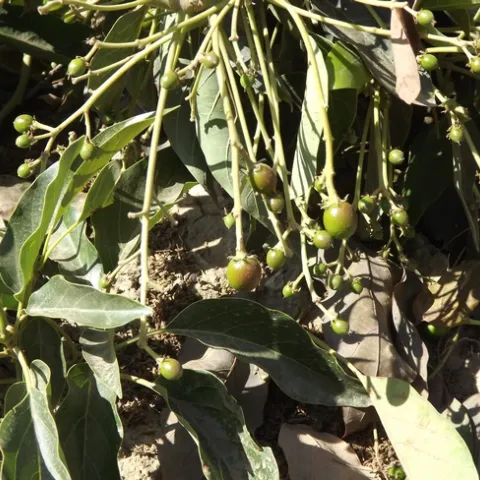
GEM fruit on skirt
Topics in Subtropics: Article

How Much Fruit is Up there?

May 3, 2024
By Ben A Faber
Old crop, new crop. What's up there in the trees? Are they big enough to sell? Is there a good set for next year? These are questions every avocado grower has every year, and often all year long. What is up there in the trees is confounded by what is called the "Avocado Illusion".
View Article
Primary Image
Haramrit Gill
ANR News Releases: Article

UC ANR adds 9 experts in water, wildfire, pest management and more

May 3, 2024
By Pamela S Kan-Rice
To help more Californians address challenging issues, University of California Agriculture and Natural Resources has hired UC Cooperative Extension experts to work in communities stretching from Humboldt and Siskiyou counties in the north, and south to San Diego County.
View Article
Primary Image
photo by Christie Mesias
The Savvy Sage: Article

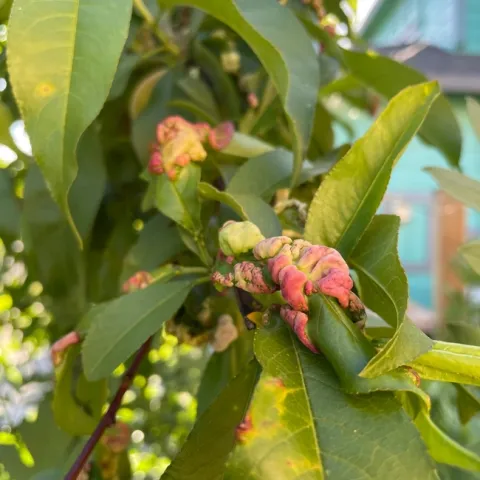
Peach Leaf Curl

May 3, 2024
This past Picnic Day, Master Gardeners were available to answer the community's questions. One question reigned supreme: What is happening to my peach tree? If you are noticing puffed, curled, and discolored leaves on your peach or nectarine tree, the culprit is likely the fungus Peach Leaf Curl.
View Article
Primary Image
A dial gauge showing water usage of 2,422,880 gallons.
The Backyard Gardener: Article

Flow Focus: A Guide to Understanding Water Meters

May 3, 2024
Water is essential for nurturing vibrant gardens and landscapes. By leveraging water meters, we can effectively monitor water usage, detect leaks, and optimize irrigation practices, ensuring every drop contributes to the sustainability and vitality of our gardens.
View Article
Primary Image
photos by Erin Mahaney
Under the Solano Sun: Article

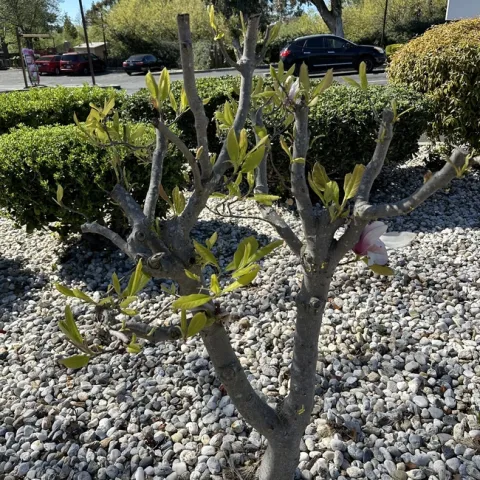
Magnolia Mayhem

May 3, 2024
We live near a fast food restaurant that doesn't have much landscaping, mostly white rocks and few scrubby plants. But it also has six compact, deciduous, spring-flowering magnolia trees planted in two groups of three that are quite charming.
View Article
Primary Image
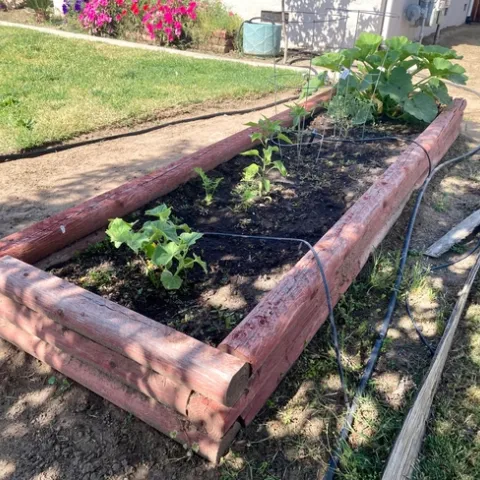
Converting a vegetable garden to drip irrigation conserves water. (Photo: Jeannette Warnert)
Fresno Gardening Green: Article

This week in the garden: May 3 - 9

May 3, 2024
Keep recent plantings well-watered and mulched. Sudden warming plus drying winds can stress plants. Tasks Use a 3-inch layer of mulch around trees and shrubs to retain moisture, suppress weeds and cool soil temperature.
View Article
Primary Image
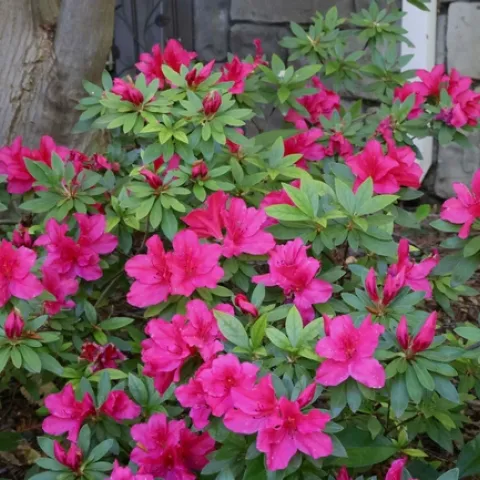
A stunning azalea in full bloom. Michelle Graydon
The Real Dirt: Article

Azaleas are a Great Perennial Choice

May 3, 2024
A colorful perennial has been brightening spring gardens for many weeks. Azaleas are the easy-to-care-for stars of semi-shaded locations. The most common varieties are evergreen azaleas, which are more accurately described as having persistent-leaves.
View Article
Primary Image
thisobneMay 2024 Cover Coastside

Backyard Biodiversity: Saving the Planet One Garden at a Time

May 2, 2024
It's May and spring is busting out all over! After months of gray skies and wet, chilly days, we can rejoice at the sight of each tender shoot, leaf and bud. With the resurgence of life all around us, it may seem as if the state of the natural world may not be so bad after all.
View Article