A Natural Solution for California's Herds: African Catfish Peptides

California's cattle producers and agricultural communities are all too familiar with the rising challenge of antibiotic resistance, making common bacterial infections harder to treat in livestock. But imagine a future where we could tackle these infections with a natural, powerful alternative. Our research points to just that: antimicrobial peptides (AMPs) found in African catfish.

We're really excited about these peptides because African catfish thrive in pathogen-rich freshwater, naturally producing these robust immune compounds in their skin mucus as a defense. This natural origin makes them highly appealing alternatives to synthetic drugs.

Predicted Safety and Potent Action

One of the most compelling aspects of these AMPs is their predicted safety for mammals. Our initial computer analyses suggest that various catfish AMPs are generally recognized as safe (GRAS). We predict they'll be absorbed in the human intestine without causing liver, brain, or heart toxicity. Furthermore, lab tests on a promising peptide, NACAP-II, confirmed it was non-hemolytic, meaning it didn't damage rabbit red blood cells—a strong indicator of its potential safety for mammalian cells.

Beyond safety, these peptides demonstrate effectiveness against problematic bacteria. One study revealed NACAP-II's strong activity against Extended-Spectrum Beta-Lactamase (ESBL)-producing Escherichia coli—a critical concern for both animal and human health due to its resistance to many common antibiotics. Another peptide, ACAP-IV, also showed antibacterial activity against E. coli and Staphylococcus aureus. We believe these AMPs work by directly disrupting bacterial cell membranes, a mechanism that makes it harder for bacteria to develop resistance compared to how they resist traditional antibiotics.

Event Primary Image
Being water wise
UC Master Gardeners of Solano County: Event

Water Wise Gardening

Event Date
Feb 12, 2026

The talk will cover water-wise practices, plants and incentives that are intended to save water while allowing you to have a thriving garden. It will also include a discussion of irrigation systems that will help you meet the dual goals of saving water and keeping your plants healthy.Event flyer
UC Master Gardeners of Solano County
View Event
Primary Image
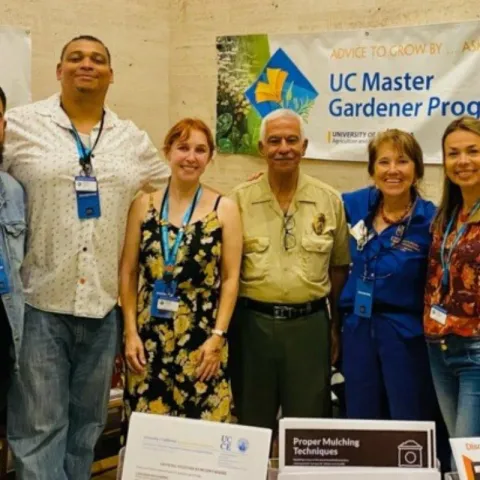
UC Master Gardener standing happily in a education booth display at a county fair, surrounded by learning material.
UC Master Gardener Program Statewide Blog: Article

Learn, Grow, and Connect through Your Local UC Master Gardener Program

January 27, 2026
By Lauren L Snowden
Whether you want to plant your first tomato or fine-tune a long-established garden, the UC Master Gardener Program is for you. Across California, you will find that the UC Master Gardener Program offers opportunities for gardeners of all experience levels to learn, ask questions and grow their skills…
View Article
Primary Image
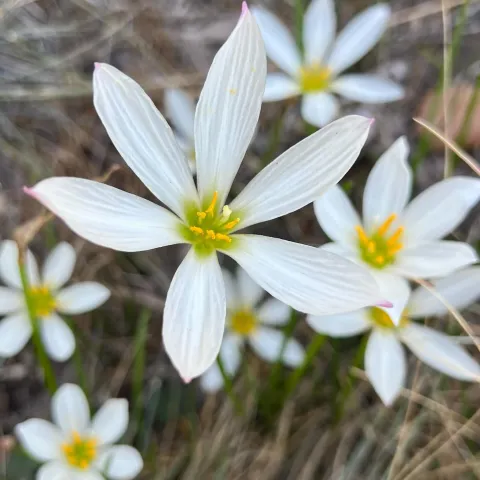
Photo of blossoms on an Argentine rain lily.
The Savvy Sage: Article

February Garden Tips and Vegetable Planting Guide

January 27, 2026
By Deborah Cunningham
Winter Cleanup - Resist the urge to give the garden a good clean up on a sunny afternoon, many of our beneficial insects and native bees will be sheltering in dried stalks, under leaves and in the ground. Continue preparations for the busy spring planting season. Clean and rinse pots with a diluted solution…
View Article
Primary Image
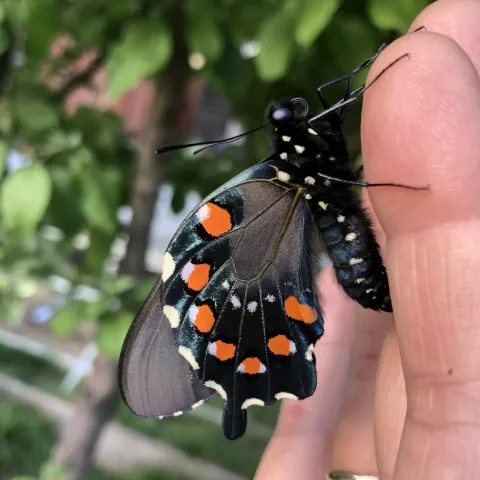
Photo of a pipevine swallowtail resting on a person's hand.
The Savvy Sage: Article

An Introduction to Pollinators

January 27, 2026
By Deborah Cunningham
Article by Peg Smith -  As gardeners we hear a consistent message that we should plant ‘to attract pollinators.’ Often our first thoughts quickly turn to the honeybee. But the honeybee is a non-native pollinator in North America. An introduced pollinator, brought to Jamestown in 1622 and not seen…
View Article
Primary Image
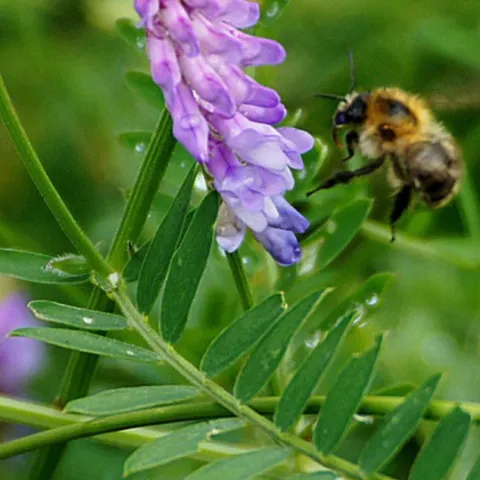
purple flowering vetch is being visited by a bee
Under the Solano Sun: Article

Reinvigorate You Garden in Winter

January 27, 2026
By Jennifer M Baumbach
Blog by Brenda AltmanIt’s winter, keep gardening, there’s plenty you can do. Plant cool crops that can thrive in cool temperatures. Cabbage, broccoli, kale, Brussels sprouts, and the like. Garlic and onions are good candidates, too.Not interested in winter crops? Plant cover crops instead. Reinvigorate the…
View Article
Primary Image
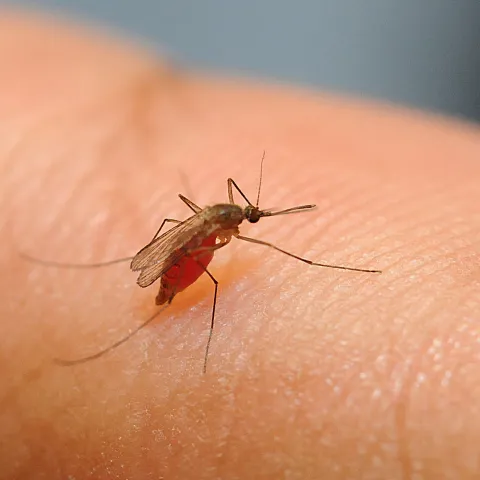
A mosquito, Culex quinquefasciatus, drawing blood. (Photo by Kathy Keatley Garvey)
Bug Squad: Article

UC Davis Researcher to Discuss St. Louis Encephalitis Virus

January 26, 2026
By Kathy Keatley Garvey
 "Most people infected with St. Louis encephalitis virus do not have symptoms," according to the Centers for Disease Control and Prevention. "Those people who do become ill may experience fever, headache, nausea, vomiting, and tiredness. Some people may develop neuroinvasive disease, such as…
View Article