A Natural Solution for California's Herds: African Catfish Peptides

California's cattle producers and agricultural communities are all too familiar with the rising challenge of antibiotic resistance, making common bacterial infections harder to treat in livestock. But imagine a future where we could tackle these infections with a natural, powerful alternative. Our research points to just that: antimicrobial peptides (AMPs) found in African catfish.

We're really excited about these peptides because African catfish thrive in pathogen-rich freshwater, naturally producing these robust immune compounds in their skin mucus as a defense. This natural origin makes them highly appealing alternatives to synthetic drugs.

Predicted Safety and Potent Action

One of the most compelling aspects of these AMPs is their predicted safety for mammals. Our initial computer analyses suggest that various catfish AMPs are generally recognized as safe (GRAS). We predict they'll be absorbed in the human intestine without causing liver, brain, or heart toxicity. Furthermore, lab tests on a promising peptide, NACAP-II, confirmed it was non-hemolytic, meaning it didn't damage rabbit red blood cells—a strong indicator of its potential safety for mammalian cells.

Beyond safety, these peptides demonstrate effectiveness against problematic bacteria. One study revealed NACAP-II's strong activity against Extended-Spectrum Beta-Lactamase (ESBL)-producing Escherichia coli—a critical concern for both animal and human health due to its resistance to many common antibiotics. Another peptide, ACAP-IV, also showed antibacterial activity against E. coli and Staphylococcus aureus. We believe these AMPs work by directly disrupting bacterial cell membranes, a mechanism that makes it harder for bacteria to develop resistance compared to how they resist traditional antibiotics.


Primary Image
Photo by Penny Pawl
Napa Master Gardener Column: Article

The family Lepidoptera

February 17, 2024
I recently saw an image on a Facebook page devoted to owls that generated a lot of discussion. Some people thought the creature in the image was a butterfly; others were sure it was a moth. I decided it was a moth based on information I had found online.
View Article
Primary Image
Saoi.ED
Together@Work: Article

Creating Transformation: Wrap up of the EDI Summit

February 16, 2024
By Elizabeth A Moon
Reflecting on the inaugural EDI (Equity, Diversity, and Inclusion) Summit, Creating Transformation, held from January 31 to February 1, 2024, I'm inspired by a profound sense of hope and renewed determination.
View Article
Primary Image
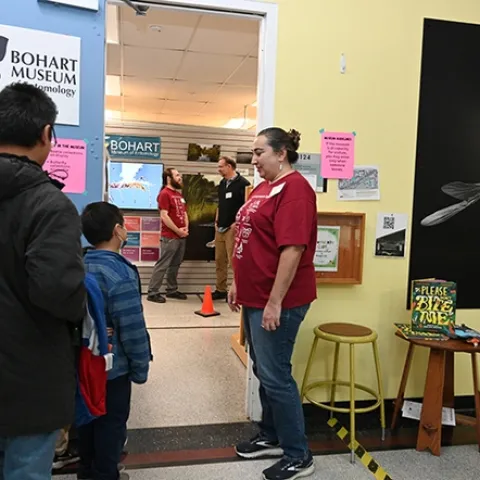
Bohart associate and entomologist, Nazzy Pakpour, PhD, author of "Please Don't Bite Me: Insects that Buzz, Bite and Sting," greets guests at the Bohart Museum. In back are Bohart director Jason Bond (right) conversing with Brennen Dyer, collections manager. (Photo by Kathy Keatley Garvey)
Bug Squad: Article

At the Bohart: Life Is Better With Bugs

February 16, 2024
By Kathy Keatley Garvey
They came. They saw. They held out their hands. Hands? Yes, to hold Madagascar hissing cockroaches and stick insects (walking sticks). The Bohart Museum of Entomology greeted some 1400 visitors during the 13th annual UC Davis Biodiversity Museum Day, an event held Feb.
View Article
Primary Image
Anne's profile
The Stanislaus Sprout: Article

UC Cooperative Extension Master Gardeners - Have we made a difference in your life?

February 16, 2024
By Anne E Schellman
Hello fellow gardeners, I hope this e-newsletter message finds you well! Have you taken one of our classes, visited our booth at a local event, or spoken to someone about a plant problem on our Help Line? If so, please fill out this simple, two question survey found at this link: https://ucanr.
View Article
Primary Image
IMG 9184 w credit
UC Dry Bean Blog: Article

2023 Blackeye Bean Variety Evaluation

February 16, 2024
By Michelle M Leinfelder-Miles
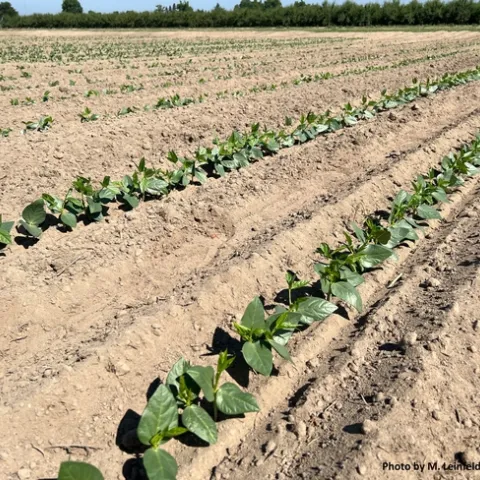
We evaluated blackeye bean varieties in a commercial field in Stanislaus County. The season began with cool and wet spring conditions, which lasted through the month of June and delayed planting. Seven varieties from the University of California blackeye breeding program were planted on July 7th.
View Article
Primary Image
IMG 9184 w credit
SJC and Delta Field Crops: Article

2023 Blackeye Bean Variety Evaluation

February 16, 2024
By Michelle M Leinfelder-Miles
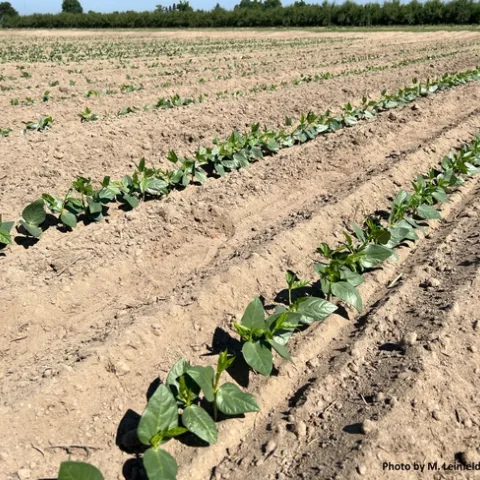
We evaluated blackeye bean varieties in a commercial field in Stanislaus County. The season began with cool and wet spring conditions, which lasted through the month of June and delayed planting. Seven varieties from the University of California blackeye breeding program were planted on July 7th.
View Article
Primary Image
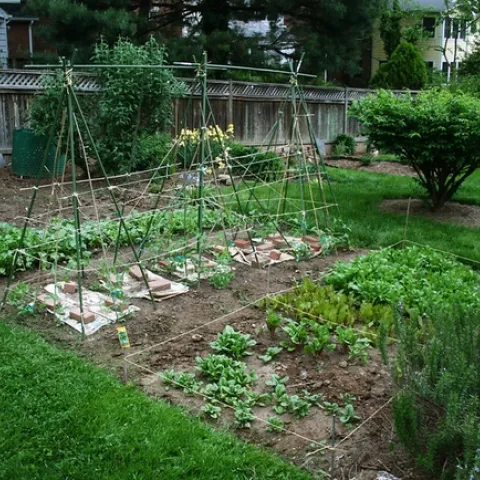
spring vegetable garden by woodleywonderworks is licensed under CC BY 2.0.
Under the Solano Sun: Article

Grow a Landscape Good Enough to Eat!

February 16, 2024
Some February days feel like it's already spring. While we know there are more cold and rainy days to come, that feeling of spring emerging helps us to ready our gardens for the real thing.
View Article
Tehama County: Article

Special Edition - 2024 Kasumin® Emergency Use Approved

February 16, 2024
2024 Emergency Use (Section 18) of Kasumin 2L Approved for Prevention of Almond Bacterial Blast Bacterial blast, caused by Pseudomonas syringae pv. syringae, can be devastating to almond yields in years where cold, wet weather coincides with almond bloom.
View Article
Monterey County: Article

4-H Leader's Council Meeting February 20th, 2024

February 16, 2024
Dear 4-H families, On Tuesday, February 20th, the 4-H Leaders Council will hold its monthly meeting at 7pm. This is an in-person meeting at 1432 Abbott St, Salinas. All 4-H families are invited to attend and take part in the councils discussion and planning.
View Article