A Natural Solution for California's Herds: African Catfish Peptides

California's cattle producers and agricultural communities are all too familiar with the rising challenge of antibiotic resistance, making common bacterial infections harder to treat in livestock. But imagine a future where we could tackle these infections with a natural, powerful alternative. Our research points to just that: antimicrobial peptides (AMPs) found in African catfish.

We're really excited about these peptides because African catfish thrive in pathogen-rich freshwater, naturally producing these robust immune compounds in their skin mucus as a defense. This natural origin makes them highly appealing alternatives to synthetic drugs.

Predicted Safety and Potent Action

One of the most compelling aspects of these AMPs is their predicted safety for mammals. Our initial computer analyses suggest that various catfish AMPs are generally recognized as safe (GRAS). We predict they'll be absorbed in the human intestine without causing liver, brain, or heart toxicity. Furthermore, lab tests on a promising peptide, NACAP-II, confirmed it was non-hemolytic, meaning it didn't damage rabbit red blood cells—a strong indicator of its potential safety for mammalian cells.

Beyond safety, these peptides demonstrate effectiveness against problematic bacteria. One study revealed NACAP-II's strong activity against Extended-Spectrum Beta-Lactamase (ESBL)-producing Escherichia coli—a critical concern for both animal and human health due to its resistance to many common antibiotics. Another peptide, ACAP-IV, also showed antibacterial activity against E. coli and Staphylococcus aureus. We believe these AMPs work by directly disrupting bacterial cell membranes, a mechanism that makes it harder for bacteria to develop resistance compared to how they resist traditional antibiotics.

Livestock & Range: Article

Midpen Grazing Leases

February 16, 2024
By Devii R Rao
Please see below announcement from Midpeninsula Regional Open Space District (District), regarding a Request for Proposals (RFP) to lease District property for conservation grazing...
View Article
Primary Image
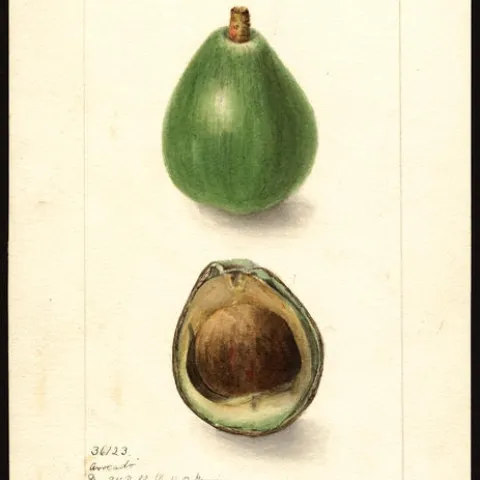
avocado saeedling painting
Topics in Subtropics: Article

POM ology

February 16, 2024
By Ben A Faber
POM - Greek for "apples", but more generally "fruit" ology - the study of So pomology is the study of fruit trees. And how to describe them becomes important and pictures have been an important way of describing fruit. Worth a thousand words.
View Article
Primary Image
Mason bee approaching nesting tubes made of paper. Tom Hansen
The Real Dirt: Article

Mason Bees

February 16, 2024
As concern grows over the decline in the honey bee population, alternative pollinators are gaining attention. Mason bees, which are native to North America, are one option. These gentle-natured bees do not produce honey but they excel at pollinating and are easy to raise.
View Article
Primary Image
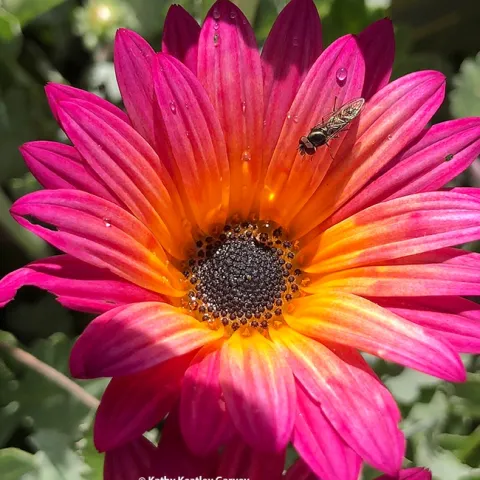
A syrphid fly forages on an Arctotis "Pink Sugar" African daisy in Vacaville. Note the raindrops on the blossom. (Photo by Kathy Keatley Garvey)

Pink Sugar and a Syrphid

February 15, 2024
By Kathy Keatley Garvey
Who doesn't like "Pink Sugar?" No, not the sweetener. The brilliantly colored Arctotis "Pink Sugar," also known as a pink African daisy.
View Article
Primary Image
Deniz Inci, Ph.D. Candidate, Weed Science Program, Dept. of Plant Sciences, UC Davis
UC Weed Science (weed control, management, ecology, and minutia): Article

Deniz Inci, WSSA graduate student of the month

February 15, 2024
By Gale Perez
From the Weed Science Society of America (WSSA) Graduate Student Organization newsletter (Feb. 2024) * * * * * * Graduate Student of the Month Deniz Inci, Ph.D. Candidate with the Al-Khatib Lab at UC Davis, is the Weed Science Society of America (WSSA) graduate student of the month.
View Article
Primary Image
Climate Smart Agriculture
Climate Smart Agriculture: Article

Update on CDFA’s 2023 SWEEP Application

February 15, 2024
By Heather Montgomery
Many of you might know that the 2023 State Water Efficiency and Enhancement Program (SWEEP) has been placed on pause due to a deficit in the state budget. This pause will remain in effect until Governor Newsom releases his proposed budget later this summer.
View Article
Primary Image
Pick up any camelia petals and blossoms that have fallen on the ground to prevent petal blight in the future. After camelias have finished blooming, it's time to fertilize. (Photo: Jeannette Warnert)
Fresno Gardening Green: Article

This week in the garden: Feb. 16 - 22

February 15, 2024
Make some shopping expeditions to your favorite nurseries to select water-conserving trees, shrubs, and perennials. Tasks Inspect trees for die-back and weak limbs, which are common in drought-stressed plants, and remove them before they become a safety hazard.
View Article
Livestock, Range and Natural Resources: Article

Verano 2023

February 15, 2024
En este nmero: Recursos para el monitoreo de robles Medicamentos para ganado Algas verde azules...
View Article