A Natural Solution for California's Herds: African Catfish Peptides

California's cattle producers and agricultural communities are all too familiar with the rising challenge of antibiotic resistance, making common bacterial infections harder to treat in livestock. But imagine a future where we could tackle these infections with a natural, powerful alternative. Our research points to just that: antimicrobial peptides (AMPs) found in African catfish.

We're really excited about these peptides because African catfish thrive in pathogen-rich freshwater, naturally producing these robust immune compounds in their skin mucus as a defense. This natural origin makes them highly appealing alternatives to synthetic drugs.

Predicted Safety and Potent Action

One of the most compelling aspects of these AMPs is their predicted safety for mammals. Our initial computer analyses suggest that various catfish AMPs are generally recognized as safe (GRAS). We predict they'll be absorbed in the human intestine without causing liver, brain, or heart toxicity. Furthermore, lab tests on a promising peptide, NACAP-II, confirmed it was non-hemolytic, meaning it didn't damage rabbit red blood cells—a strong indicator of its potential safety for mammalian cells.

Beyond safety, these peptides demonstrate effectiveness against problematic bacteria. One study revealed NACAP-II's strong activity against Extended-Spectrum Beta-Lactamase (ESBL)-producing Escherichia coli—a critical concern for both animal and human health due to its resistance to many common antibiotics. Another peptide, ACAP-IV, also showed antibacterial activity against E. coli and Staphylococcus aureus. We believe these AMPs work by directly disrupting bacterial cell membranes, a mechanism that makes it harder for bacteria to develop resistance compared to how they resist traditional antibiotics.
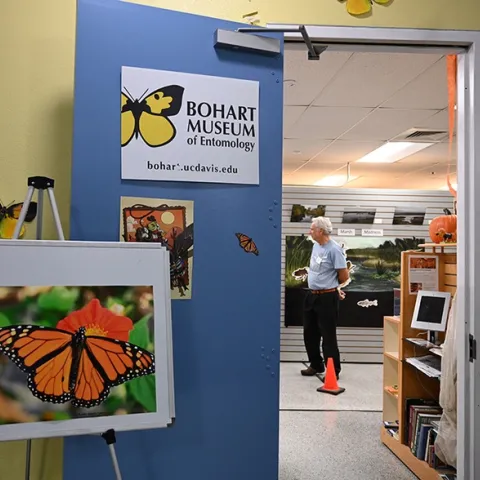
Primary Image
An enlarged image of a monarch butterfly (by Kathy Keatley Garvey) graced the entrance to the Bohart Museum's open house on monarchs. In back is Bohart associate Mike Pitcairn, retired entomologist from the California Department of Food and Agriculture. (Photo by Kathy Keatley Garvey)
Bug Squad: Article

Bohart Museum Open House: A Monarch State of Mind

November 10, 2023
By Kathy Keatley Garvey
It was a monarch state of mind... Western monarchs are now settling in their overwintering sites along coastal California, but the iconic butterflies showed up in force at the Bohart Museum of Entomology's recent open house--in the form of specimens, photographs, books, maps and displays.
View Article
Primary Image
Tulips and Grape Hyacinth add color and beauty to an early spring garden. Marijke Dixon Wood
The Real Dirt: Article

The Hidden Beauty of Fall-Planted Bulbs

November 10, 2023
Autumn has finally arrived! We have shorter cooler days, and the leaves are turning brilliant Fall colors. Gardeners with some foresight and planning can use this time of year to plant bulbs for a riot of Spring flowers.
View Article
Primary Image
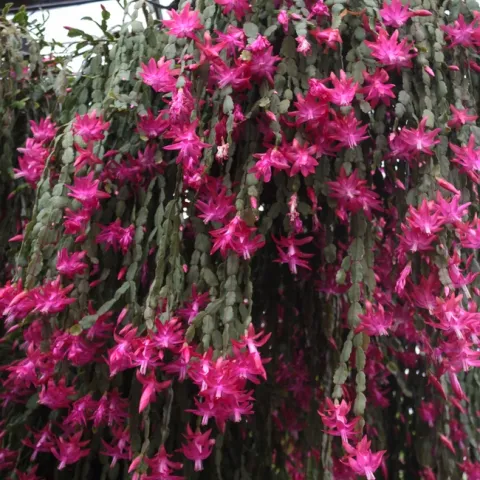
Place Christmas cactus in darkness to stimulate flower bud formation. (Photo: Gary J. Wood from Toronto, Canada, Wikimedia Commons)
Fresno Gardening Green: Article

This week in the garden: Nov. 10 - 16

November 9, 2023
Create a visual feast with pomegranates, miniature pumpkins, Indian corn, gourds, fall flowers, and herbs from your garden The tuberous roots of sweet potatoes will be ruined if the foliage is damaged by frost.
View Article
UCCE Lassen County: Article

November - December 2023

November 9, 2023
Hello All, Attached you will find your November -December issue of the 4-H Roundup newsletter. Here are a few important dates that may be of interest to you: * Veterans are asking for help putting flags up at Diamond Crest Cemetery * Council meeting will be held November 16 due to Thanksgiving.
View Article
Colusa County: Article

November 2023

November 9, 2023
Ornamental Plant of the Month Bougainvillea Book of the Month Last Child in the Woods Edible Plant of the Month Peach Leaf Curl Recipe of the Month Seafood Bisque Garden Guide Safety Notes Wreath Workshop December 2, 10 am See flier for details!...
View Article
Primary Image
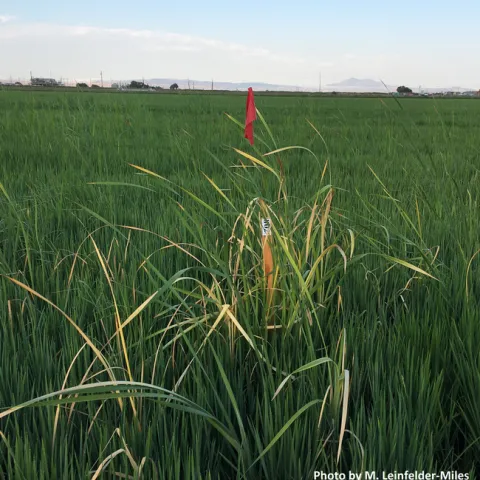
Fig. 1. The herbicide, Loyant, was trialed on cattails in 2022 and 2023. We observed good control when cattails were less than 3 feet tall.
SJC and Delta Field Crops: Article

2023 Delta Rice Recap

November 9, 2023
By Michelle M Leinfelder-Miles
Rice production in the Sacramento-San Joaquin Delta region has been steadily increasing in recent years. While Delta acreage is only a fraction of that in the Sacramento Valley, Delta yields are consistent with statewide averages. I estimate that in 2023, the Delta had around 10,000 acres of rice.
View Article