A Natural Solution for California's Herds: African Catfish Peptides

California's cattle producers and agricultural communities are all too familiar with the rising challenge of antibiotic resistance, making common bacterial infections harder to treat in livestock. But imagine a future where we could tackle these infections with a natural, powerful alternative. Our research points to just that: antimicrobial peptides (AMPs) found in African catfish.

We're really excited about these peptides because African catfish thrive in pathogen-rich freshwater, naturally producing these robust immune compounds in their skin mucus as a defense. This natural origin makes them highly appealing alternatives to synthetic drugs.

Predicted Safety and Potent Action

One of the most compelling aspects of these AMPs is their predicted safety for mammals. Our initial computer analyses suggest that various catfish AMPs are generally recognized as safe (GRAS). We predict they'll be absorbed in the human intestine without causing liver, brain, or heart toxicity. Furthermore, lab tests on a promising peptide, NACAP-II, confirmed it was non-hemolytic, meaning it didn't damage rabbit red blood cells—a strong indicator of its potential safety for mammalian cells.

Beyond safety, these peptides demonstrate effectiveness against problematic bacteria. One study revealed NACAP-II's strong activity against Extended-Spectrum Beta-Lactamase (ESBL)-producing Escherichia coli—a critical concern for both animal and human health due to its resistance to many common antibiotics. Another peptide, ACAP-IV, also showed antibacterial activity against E. coli and Staphylococcus aureus. We believe these AMPs work by directly disrupting bacterial cell membranes, a mechanism that makes it harder for bacteria to develop resistance compared to how they resist traditional antibiotics.
Glenn County: Article

Glenn County 4-H Members and Leaders Recognized

November 9, 2023
October 24, 2023 Glenn County 4-H Members and Leaders Recognized We celebrated the accomplishments of outstanding 4-H members and recognized our wonderful leaders at the annual Star Awards and Leaders Appreciation Event on Saturday, September 24, 2023, at Lake Elementary School.
View Article
Primary Image
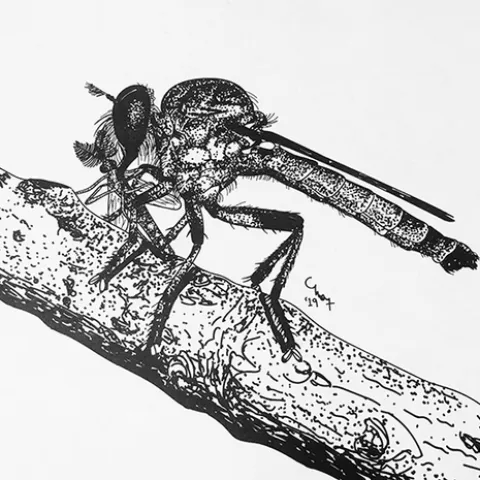
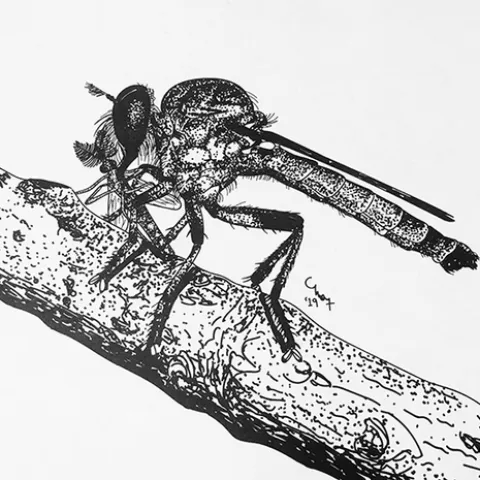
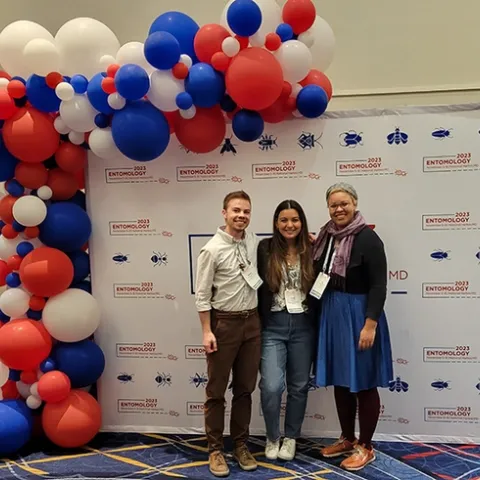
President's Prize honors in the ESA graduate student competitions went to (from left) Shawn Christensen and Lexie Martin, both of the Rachel Vannette lab; and Iris Quayle of the Jason Bond lab.
Entomology & Nematology News: Article

Three UC Davis Doctoral Students Win Top Honors at ESA Student Competitions

November 9, 2023
By Kathy Keatley Garvey
Three doctoral students in the UC Davis Department of Entomology and Nematology each won the President's Prize, or first place, in their respective student competition categories at the Entomological Society of America meeting, held Nov. 5-8 in National Harbor, Md.
View Article
Primary Image
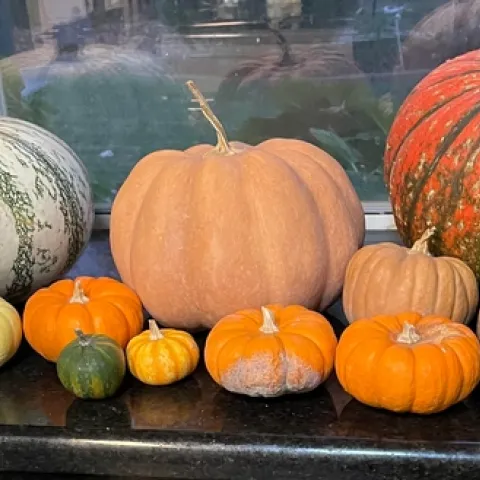
Pumpkins
Fresno Gardening Green: Article

Don't throw out your pumpkins!

November 9, 2023
Pumpkins make great Halloween and fall decorations, but don't throw out your pumpkins as fall turns into winter. Pumpkins are versatile and can provide a variety of products. Best of all, it is easy to grow pumpkins from your seeds.
View Article
UC Cooperative Extension Napa County: Article

Kestrel Nest Box Initiative for Napa-Solano

November 9, 2023
Breanna Martinico, Human-Wildlife Interactoins Advisor, is launching a long-term American Kestrel nest box monitoring program in Napa and Solano Counties.
View Article
Primary Image
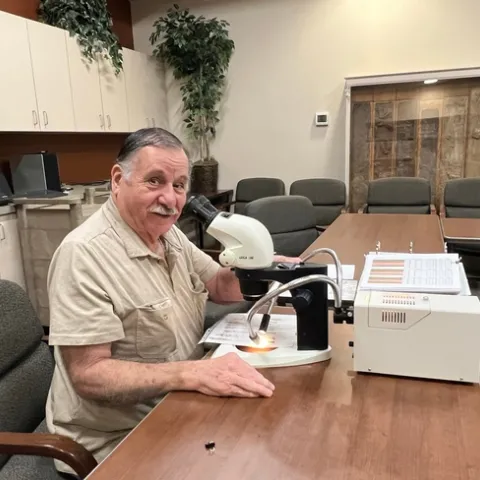
Richard Coviollo identifies male walnut scale insects at the UCCE Tulare County office
Nut, Olive and Prune Programmatic News: Article

Retired UC ANR Entomologists Support Ongoing Walnut Scale Research

November 8, 2023
By Elizabeth J Fichtner
Two UC ANR entomologists, Walter Bentley, IPM Advisor emeritus, and Richard Coviollo, Entomology Advisor retired, assisted with identifying male walnut scale insects while visiting with Elizabeth Fichtner, UCCE Tulare County Orchard Systems Advisor.
View Article
Primary Image
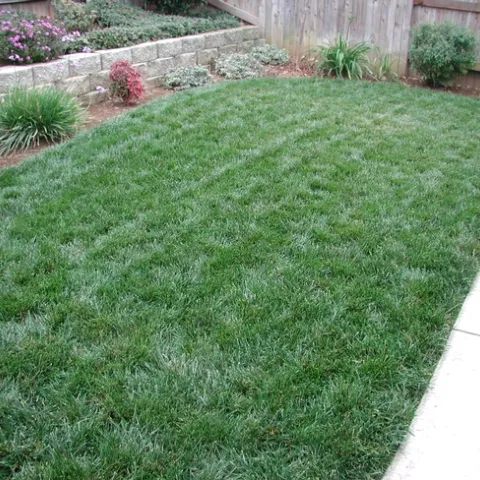
A green backyard lawn surrounded by small shrubs.
Pests in the Urban Landscape: Article

Killing Your Lawn?

November 8, 2023
By Lauren Fordyce
Kill your lawn! has become a popular phrase and landscaping trend in recent years. Whether you are looking to completely remove your lawn or just renovate it, this article will give you useful information to help you decide how best to do away with your existing lawn and prepare for your new design.
View Article
Primary Image
Photo by Deborah Light-Pacheco
UC Master Gardeners- Diggin' it in SLO: Article

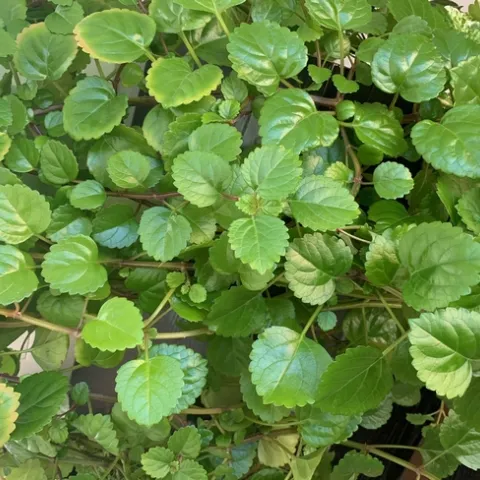
Creeping Charlie

November 8, 2023
Creeping Charlie By Deborah Light-Pacheco UCCE Master Gardener Common name of plant: Creeping Charlie or Swedish Ivy Scientific name: Plectranthus verticillatus Planting area: Sunset 22-24: H2; or indoors Size: 4-8 inches tall, 4-6 inches wide Bloom Season: intermittently Exposure: partial shade, br...
View Article