A Natural Solution for California's Herds: African Catfish Peptides

California's cattle producers and agricultural communities are all too familiar with the rising challenge of antibiotic resistance, making common bacterial infections harder to treat in livestock. But imagine a future where we could tackle these infections with a natural, powerful alternative. Our research points to just that: antimicrobial peptides (AMPs) found in African catfish.

We're really excited about these peptides because African catfish thrive in pathogen-rich freshwater, naturally producing these robust immune compounds in their skin mucus as a defense. This natural origin makes them highly appealing alternatives to synthetic drugs.

Predicted Safety and Potent Action

One of the most compelling aspects of these AMPs is their predicted safety for mammals. Our initial computer analyses suggest that various catfish AMPs are generally recognized as safe (GRAS). We predict they'll be absorbed in the human intestine without causing liver, brain, or heart toxicity. Furthermore, lab tests on a promising peptide, NACAP-II, confirmed it was non-hemolytic, meaning it didn't damage rabbit red blood cells—a strong indicator of its potential safety for mammalian cells.

Beyond safety, these peptides demonstrate effectiveness against problematic bacteria. One study revealed NACAP-II's strong activity against Extended-Spectrum Beta-Lactamase (ESBL)-producing Escherichia coli—a critical concern for both animal and human health due to its resistance to many common antibiotics. Another peptide, ACAP-IV, also showed antibacterial activity against E. coli and Staphylococcus aureus. We believe these AMPs work by directly disrupting bacterial cell membranes, a mechanism that makes it harder for bacteria to develop resistance compared to how they resist traditional antibiotics.
UCCE Lassen County: Article

October 2023

October 19, 2023
Hello All, Here's your October 2023 Issue of the 4-H Roundup newsletter. If you are planning to re-join 4-H, Go to ZSuite.org. Our enrollment will be closing soon! Members taking a market animal, must be enrolled by December 31 of the current program year.
View Article
Article

Haver named REC System director

October 19, 2023
By Pamela S Kan-Rice
It is my pleasure to announce that Darren Haver has accepted the position of Director of the Research and Extension Center System, effective July 1, 2023. Darren, who joined UC ANR in 1999 as a postgraduate researcher, has worked his way up the UC Cooperative Extension ranks.
View Article
Primary Image
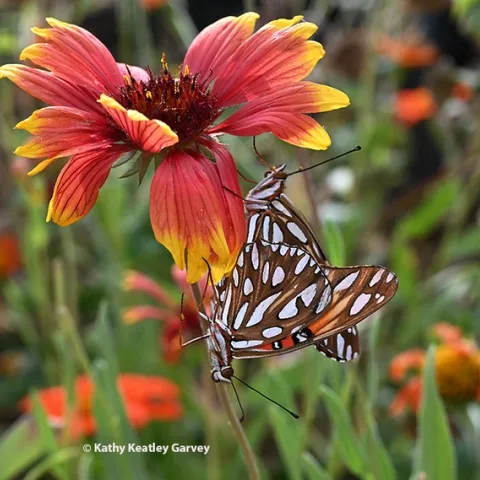
A two-headed butterfly? No, a male and female Gulf Fritillary, Agraulis vanillae, keeping busy on a Gaillardia or blanket flower. The butterflies are also known as "passion butterflies." Their host plant is the passionlower vine, Passiflora. (Photo by Kathy Keatley Garvey)
Bug Squad: Article

About Those Two-Headed Butterflies...

October 19, 2023
By Kathy Keatley Garvey
UC Davis distinguished professor Lynn Kimsey, director of the Bohart Museum of Entomology at the University of California, Davis, gets queries about two-headed butterflies.
View Article
Primary Image
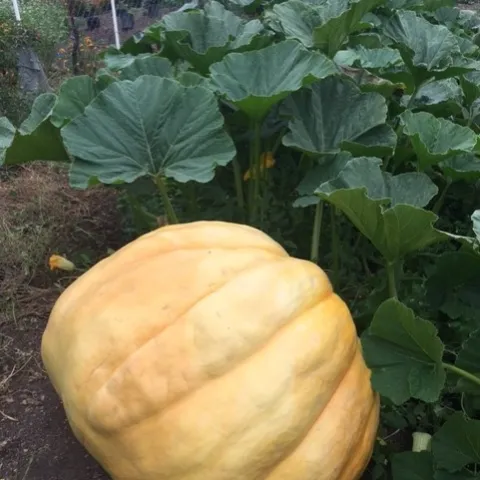
photos by Heather Hamilton
Under the Solano Sun: Article

Pumpkins

October 19, 2023
I recently started taking a painting class out at The Jessel Gallery. It is a fabulous place if you ever have the chance to go! On this particular class, we were going to a pumpkin farm, which is run by the gallery owners husband. This trip sounded like so much fun.
View Article
UCCE in Santa Barbara County: Article

FREE, Monthly Garden Talks with UC Master Gardeners

October 18, 2023
The UC Master Gardeners of Santa Barbara County invite you to join us for a free, online Garden Talk on Monday, November 6, 2023, at 7:00 p.m. UC Master Gardener Ken Falstrom will share a research-based presentation, Growing Garlic and Onions.
View Article