A Natural Solution for California's Herds: African Catfish Peptides

California's cattle producers and agricultural communities are all too familiar with the rising challenge of antibiotic resistance, making common bacterial infections harder to treat in livestock. But imagine a future where we could tackle these infections with a natural, powerful alternative. Our research points to just that: antimicrobial peptides (AMPs) found in African catfish.

We're really excited about these peptides because African catfish thrive in pathogen-rich freshwater, naturally producing these robust immune compounds in their skin mucus as a defense. This natural origin makes them highly appealing alternatives to synthetic drugs.

Predicted Safety and Potent Action

One of the most compelling aspects of these AMPs is their predicted safety for mammals. Our initial computer analyses suggest that various catfish AMPs are generally recognized as safe (GRAS). We predict they'll be absorbed in the human intestine without causing liver, brain, or heart toxicity. Furthermore, lab tests on a promising peptide, NACAP-II, confirmed it was non-hemolytic, meaning it didn't damage rabbit red blood cells—a strong indicator of its potential safety for mammalian cells.

Beyond safety, these peptides demonstrate effectiveness against problematic bacteria. One study revealed NACAP-II's strong activity against Extended-Spectrum Beta-Lactamase (ESBL)-producing Escherichia coli—a critical concern for both animal and human health due to its resistance to many common antibiotics. Another peptide, ACAP-IV, also showed antibacterial activity against E. coli and Staphylococcus aureus. We believe these AMPs work by directly disrupting bacterial cell membranes, a mechanism that makes it harder for bacteria to develop resistance compared to how they resist traditional antibiotics.

Glenn County: Article

Sacramento Valley Prune Newsletter Glenn County - Fall 2023

October 11, 2023
In this Issue: Fall Prune Orchard Management Considerations Canker Management After Pruning/ Hedging: Spray Now or Pay Later Replanting Prunes Back into Prunes Prune Brownline Alert Gear Up, Throttle Down to Control Pests, Spray Drift, and Costs New Orchard Advisor Introduction...
View Article
Article

UC statement on Mideast violence

October 10, 2023
By Pamela S Kan-Rice
University of California Board of Regents Chair Richard Leib and UC President Michael V. Drake, M.D., shared the following statement today, Monday, Oct.
View Article
Article

Sad news about Dorina Espinoza, UCCE advisor

October 10, 2023
By Pamela S Kan-Rice
Dear Colleagues, I'm sorry to share the sad news that our dear colleague Dorina Espinoza has passed away. As I wrote on Oct. 2, Dorina recently had been diagnosed with an extremely aggressive form of cancer. She leaves two sons, Nicolas White, 26, and Anthony White, 24.
View Article
Primary Image
The UC Davis Biodiversity Day Crowdfund project
Entomology & Nematology News: Article

Honor a Loved One: UC Davis Biodiversity Museum Day Donations

October 10, 2023
By Kathy Keatley Garvey
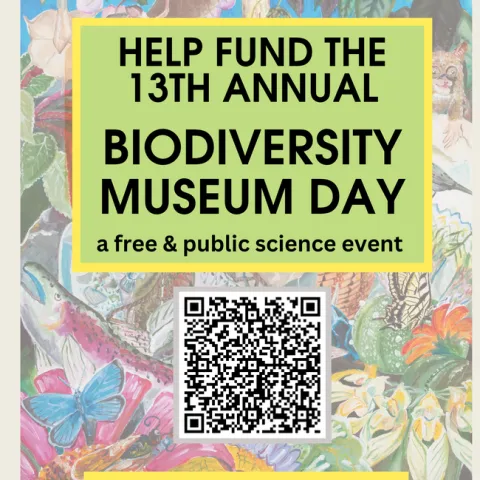
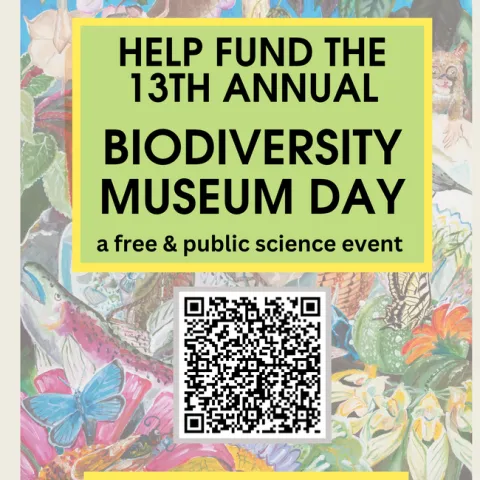
The 13th annual UC Davis Biodiversity Museum Day, a free public event to observe science in action and learn about the UC Davis museums and collections, needs financial support. It will take place Saturday, Feb. 10 on the UC Davis campus.
View Article
Primary Image
Screen Shot 2023-10-10 at 11.35.57 AM
Thriving Forward: Article

Supporting the Mental Well-Being of Young People

October 10, 2023
By Matthew R Rodriguez
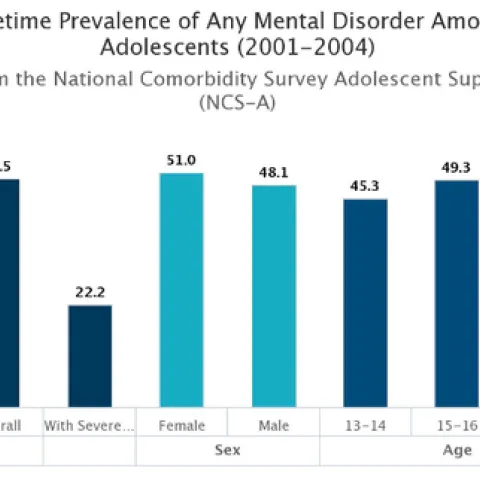
One of the public values of the University of California's Division of Agriculture and Natural Resources is the promotion of healthy people and communities. One aspect of healthy people is promoting mental well-being.
View Article