A Natural Solution for California's Herds: African Catfish Peptides

California's cattle producers and agricultural communities are all too familiar with the rising challenge of antibiotic resistance, making common bacterial infections harder to treat in livestock. But imagine a future where we could tackle these infections with a natural, powerful alternative. Our research points to just that: antimicrobial peptides (AMPs) found in African catfish.

We're really excited about these peptides because African catfish thrive in pathogen-rich freshwater, naturally producing these robust immune compounds in their skin mucus as a defense. This natural origin makes them highly appealing alternatives to synthetic drugs.

Predicted Safety and Potent Action

One of the most compelling aspects of these AMPs is their predicted safety for mammals. Our initial computer analyses suggest that various catfish AMPs are generally recognized as safe (GRAS). We predict they'll be absorbed in the human intestine without causing liver, brain, or heart toxicity. Furthermore, lab tests on a promising peptide, NACAP-II, confirmed it was non-hemolytic, meaning it didn't damage rabbit red blood cells—a strong indicator of its potential safety for mammalian cells.

Beyond safety, these peptides demonstrate effectiveness against problematic bacteria. One study revealed NACAP-II's strong activity against Extended-Spectrum Beta-Lactamase (ESBL)-producing Escherichia coli—a critical concern for both animal and human health due to its resistance to many common antibiotics. Another peptide, ACAP-IV, also showed antibacterial activity against E. coli and Staphylococcus aureus. We believe these AMPs work by directly disrupting bacterial cell membranes, a mechanism that makes it harder for bacteria to develop resistance compared to how they resist traditional antibiotics.


Primary Image
icon healthysoils (1)
Climate Smart Agriculture: Article

Healthy Soils and SWEEP Updates

September 7, 2023
By Caddie Bergren
Many growers have been asking for updates on upcoming SWEEP and Healthy Soils application rounds. Good news! CDFA has announced that both programs will be open for new applications this fall 2023. We still do not know exact dates, but CDFA did release draft grant proposals for both programs.
View Article
Primary Image
Image by Eddy Dishueme from Pixabay
Preservation Notes - San Joaquin Master Food Preservers: Article

Score Big on Food Safety at Your Football Season Tailgate Party

September 7, 2023
Football season is back, and that means it's time for tailgate parties! Whether you're cheering for your favorite team at the stadium or hosting a watch party in your backyard, one thing is for sure: food will be a big part of the celebration.
View Article
Primary Image
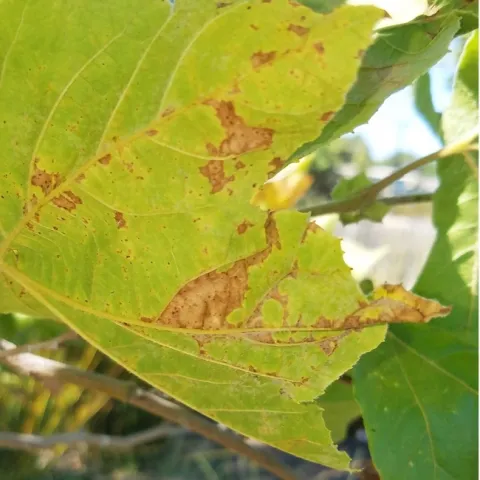
Close up of a green sycamore tree leaf with irregular brown spots.
Pests in the Urban Landscape: Article

Defoliated Sycamore Trees?

September 7, 2023
By Belinda Messenger-Sikes
Have you been seeing a lot of defoliated sycamore trees recently? Sparse foliage and early leaf drop on sycamore trees might be due to anthracnose. The cool, wet spring in many parts of California provided the perfect conditions for this disease.
View Article
Primary Image
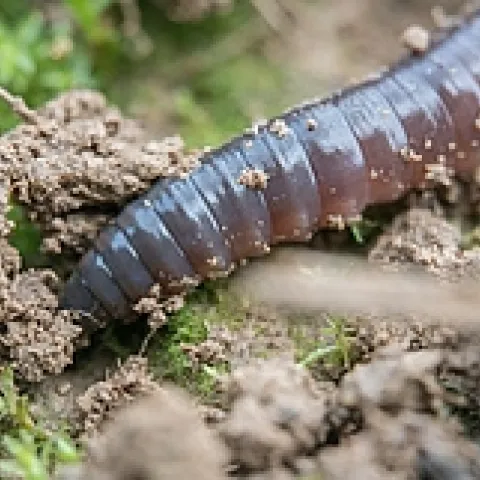
wormns and birds
Topics in Subtropics: Article

Soil Biodiversity Report

September 7, 2023
By Ben A Faber
CDFA has released a report on Belowground Biodiversity which provides targeted recommendations for policymakers and stakeholders to enhance soil health and conserve biodiversity, which plays an important role in climate resilience and food production.
View Article
Primary Image
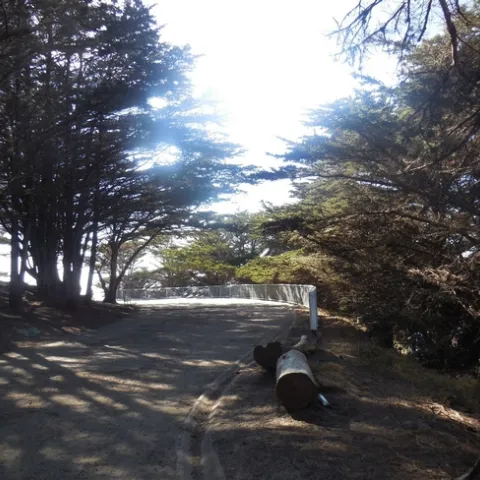
San Franciso Sutro Park by Brenda Altman
Under the Solano Sun: Article

Climate Change- Fight Back, Plant a Tree!

September 7, 2023
Hot July, hottest Yet Climate change, you bet Throw your hands in the air Politicians don't seem to care. Carbon Sequestration by way of trees It's my choice to be carbon free.
View Article