A Natural Solution for California's Herds: African Catfish Peptides

California's cattle producers and agricultural communities are all too familiar with the rising challenge of antibiotic resistance, making common bacterial infections harder to treat in livestock. But imagine a future where we could tackle these infections with a natural, powerful alternative. Our research points to just that: antimicrobial peptides (AMPs) found in African catfish.

We're really excited about these peptides because African catfish thrive in pathogen-rich freshwater, naturally producing these robust immune compounds in their skin mucus as a defense. This natural origin makes them highly appealing alternatives to synthetic drugs.

Predicted Safety and Potent Action

One of the most compelling aspects of these AMPs is their predicted safety for mammals. Our initial computer analyses suggest that various catfish AMPs are generally recognized as safe (GRAS). We predict they'll be absorbed in the human intestine without causing liver, brain, or heart toxicity. Furthermore, lab tests on a promising peptide, NACAP-II, confirmed it was non-hemolytic, meaning it didn't damage rabbit red blood cells—a strong indicator of its potential safety for mammalian cells.

Beyond safety, these peptides demonstrate effectiveness against problematic bacteria. One study revealed NACAP-II's strong activity against Extended-Spectrum Beta-Lactamase (ESBL)-producing Escherichia coli—a critical concern for both animal and human health due to its resistance to many common antibiotics. Another peptide, ACAP-IV, also showed antibacterial activity against E. coli and Staphylococcus aureus. We believe these AMPs work by directly disrupting bacterial cell membranes, a mechanism that makes it harder for bacteria to develop resistance compared to how they resist traditional antibiotics.
Primary Image
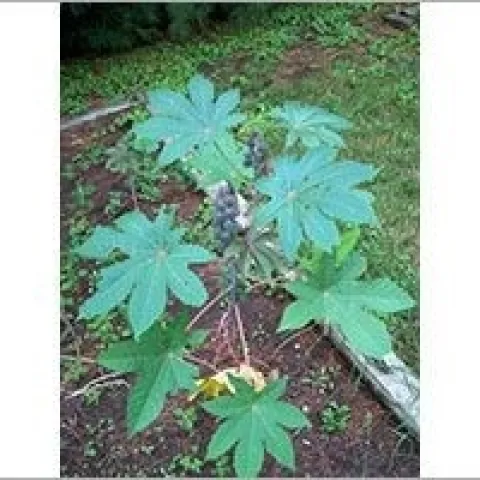
Castor bean plant (Ricinus communis)_ASPCA
Napa Master Gardener Column: Article

Your Children, Pets, and Plant Toxicity

September 2, 2023
Many of our commonly cultivated house and garden plants contain toxins. During my 35-plus years in veterinary practice, I treated many patients for either known or suspected toxic plant ingestion. For the most part, plants that are poisonous to pets are equally dangerous to children.
View Article
UC Cooperative Extension Imperial County: Article

September 2023

September 1, 2023
SHARED KNOWLEDGE OF MORINGA LEADS FUTURE UCCE RESEARCH EFFORTS BUYING LIVESTOCK DRUGS IN CALIFORNIA SUMMER BLACK STEM AND LEAF SPOT (Cercospora medocaginis), AND Stemphyllium LEAF SPOT ALFALFA FUNGICIDES TARGETING SUMMER DISEASES UCCE IMPERIAL LIVESTOCK PROGRAM SUMMER INTERN PRESENTATIONS IMPERIAL V...
View Article
Nutrition Policy Institute News: Article

Study highlights how COVID-19 changed the eating behaviors of school-aged children in families with low-income in California

September 1, 2023
By Danielle Lee, Suzanne M Rauzon, Miranda W Brown
The article Parent perceptions of changes in eating behavior during COVID-19 of school-aged children from Supplemental Nutritional Assistance Program Education (SNAP-Ed) eligible households in California was recently published in the journal Preventive Medicine Reports.
View Article
Primary Image
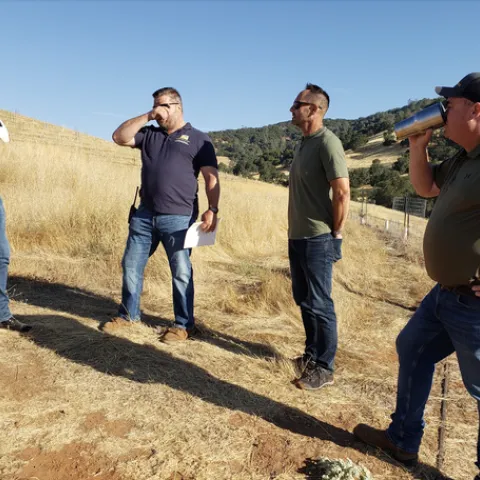
Four men stand in a dry pasture
ANR Employee News: Article

Hales meets UC ANR colleagues around the state

September 1, 2023
By Pamela S Kan-Rice
Since joining UC ANR on July 3, Brent Hales, associate vice president for research and Cooperative Extension, has been traveling the state, meeting his new colleagues.
View Article
Primary Image
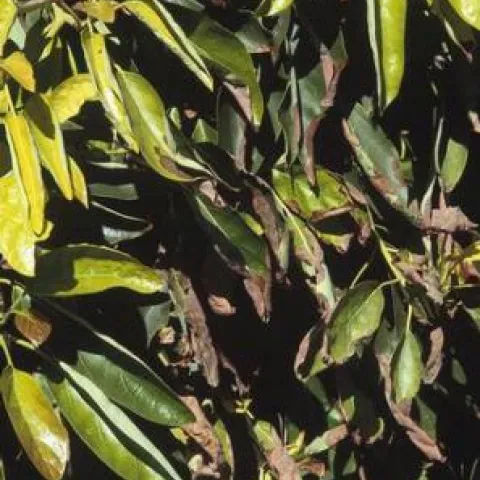
dead leaf blight
Topics in Subtropics: Article

Don't - Suggestions for Avocado and Ctirus Growers

September 1, 2023
By Ben A Faber
Ben Faber, Farm Advisor and Mary Lu Arpaia Extension Specialist Sometimes growers respond to DO's. Do plant on mounds or berms, Do use avocado clonal rootstocks, etc. But sometimes we respond better to DON'Ts. Don't plant in wet soil. Don't bury the stem when planting.
View Article
Primary Image
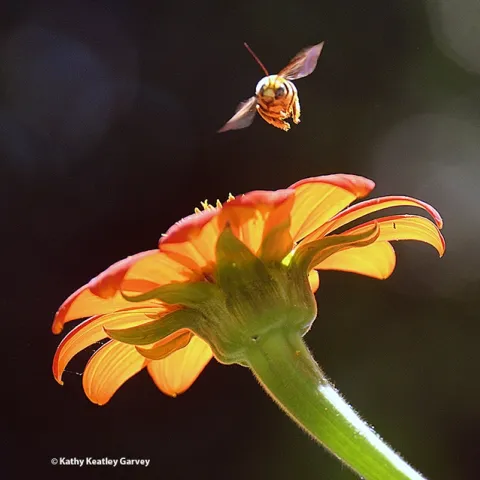
A male Melissodes agilis barreling over a Mexican sunflower, Tithonia rotundifola. (Photo by Kathy Keatley Garvey)
Bug Squad: Article

Let's Roll!

September 1, 2023
By Kathy Keatley Garvey
Let's roll! During the golden hour, right before sunset, have you ever watched a male longhorned bee roll full-barrel over a flower at Top Gun speed? During the day, the male longhorned target assorted insects foraging on "their" patch of flowers.
View Article
Primary Image
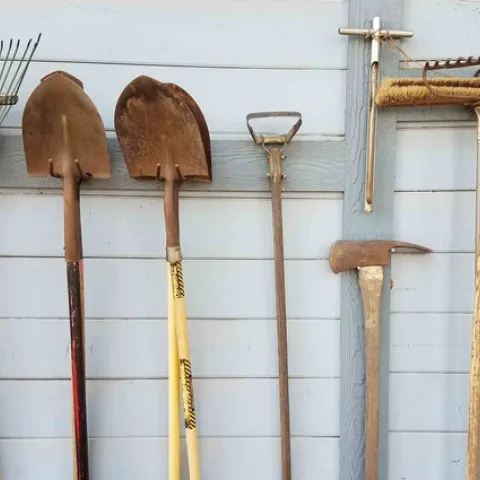
Garden tools carefully stored, J. Alosi
The Real Dirt: Article

Garden Tools

September 1, 2023
People new to gardening often ask what tools are needed to maintain their gardens. It's easy to become overwhelmed by the scope and variety of garden tools available in stores, online, and in garden catalogues.
View Article
Primary Image
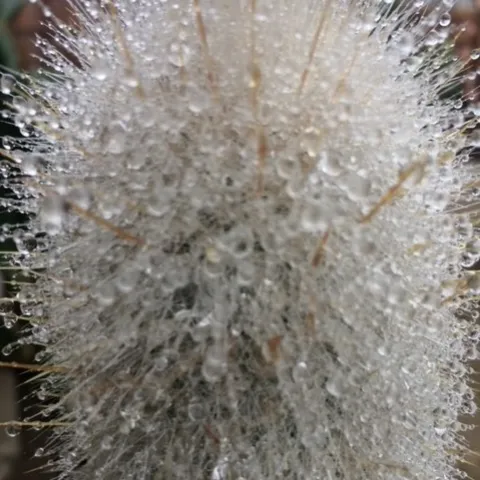
photos by Jennifer DeDora
Under the Solano Sun: Article

Silver Torch

September 1, 2023
If you're looking for a unique cactus for a small space, special interest area or a low water garden Cleistocactus strausii is the right plant for the job! It is commonly known as a silver torch cactus.
View Article