A Natural Solution for California's Herds: African Catfish Peptides

California's cattle producers and agricultural communities are all too familiar with the rising challenge of antibiotic resistance, making common bacterial infections harder to treat in livestock. But imagine a future where we could tackle these infections with a natural, powerful alternative. Our research points to just that: antimicrobial peptides (AMPs) found in African catfish.

We're really excited about these peptides because African catfish thrive in pathogen-rich freshwater, naturally producing these robust immune compounds in their skin mucus as a defense. This natural origin makes them highly appealing alternatives to synthetic drugs.

Predicted Safety and Potent Action

One of the most compelling aspects of these AMPs is their predicted safety for mammals. Our initial computer analyses suggest that various catfish AMPs are generally recognized as safe (GRAS). We predict they'll be absorbed in the human intestine without causing liver, brain, or heart toxicity. Furthermore, lab tests on a promising peptide, NACAP-II, confirmed it was non-hemolytic, meaning it didn't damage rabbit red blood cells—a strong indicator of its potential safety for mammalian cells.

Beyond safety, these peptides demonstrate effectiveness against problematic bacteria. One study revealed NACAP-II's strong activity against Extended-Spectrum Beta-Lactamase (ESBL)-producing Escherichia coli—a critical concern for both animal and human health due to its resistance to many common antibiotics. Another peptide, ACAP-IV, also showed antibacterial activity against E. coli and Staphylococcus aureus. We believe these AMPs work by directly disrupting bacterial cell membranes, a mechanism that makes it harder for bacteria to develop resistance compared to how they resist traditional antibiotics.

Nutrition Policy Institute News: Article

Study suggests food and nutrition text-messages sent by a CalFresh (SNAP) agency to all participants can increase purchase and intake of California-grown fruits and vegetables and improve feelings about CalFresh participation

April 28, 2023
By Danielle Lee, Wendi Gosliner
The Supplemental Nutrition Assistance Program (SNAP), known as CalFresh in California, provides monthly electronic benefits for food purchases to over 40 million individuals with low incomes across the US.
View Article
Primary Image
avocado flower
Topics in Subtropics: Article

Which Way Avocado Market?

April 28, 2023
By Ben A Faber
According to a recently issued report by the Food and Agriculture Organization of the United Nations, avocados are likely to surpass pineapples and mangos to become the world's second biggest tropical fruit item in terms of trade volume by 2030, trailing only bananas.
View Article
Primary Image
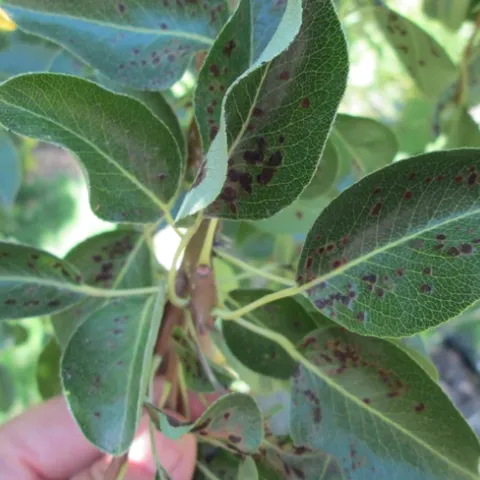
Fire blight on developing pears. Jeanette Alosi
The Real Dirt: Article

Oh, No, Not Fire Blight!

April 28, 2023
If you are noticing droopy, dried-out flower clusters on your pears, Asian pears, quince, apples or crabapples, fire blight may be the cause. Fire blight is caused by a bacterium and is a common and frequently destructive disease that shows up in April and May.
View Article
Primary Image
Orchard under a blue sky
ANR Employee News: Article

Apply to become a Strategic Initiative leader

April 27, 2023
By Pamela S Kan-Rice
ANR is seeking leaders for three Strategic Initiatives: Endemic and Invasive Pests and Diseases, Sustainable Natural Ecosystems, and Sustainable Food Systems.
View Article
ANR Contracts & Grants Updates: Article

EDA STEM Talent Challenge Due June 12th

April 27, 2023
By Kathleen P Nolan
Dear Colleagues, The U.S Economic Development Administration's STEM Talent Challenge aims to build STEM talent training systems to strengthen regional innovation economies. The FY23 STEM Talent Challenge will award a total of $4.
View Article
Primary Image
Hoes and a Hand Weeder
The Backyard Gardener: Article

Hoes: An Under-utilized Tool

April 27, 2023
Following our many atmospheric rivers this wet winter of 2023, and with the advent of warmer days, weeds are now germinating in record numbers and with record speed.
View Article
Primary Image
Ready to field questions are these representatives of the UC Statewide Integrated Pest Management Program: Karey Windbiel-Rojas (left), associate director for Urban and Community IPM/Area IPM Advisor, and IPM educator Lauren Fordyce. (Photo by Kathy Keatley Garvey)
Bug Squad: Article

Of Lady Beetles and Green Fruit Beetle Larvae

April 27, 2023
By Kathy Keatley Garvey
Make way for the beetles! Lady beetles, green fruit beetle larvae, and stick-on bug tattoos drew inquisitive and appreciative crowds when the UC Statewide Integrated Pest Management Program (UC IPM) staffed an informational booth at Briggs Hall during the 109th annual UC Davis Picnic Day.
View Article