A Natural Solution for California's Herds: African Catfish Peptides

California's cattle producers and agricultural communities are all too familiar with the rising challenge of antibiotic resistance, making common bacterial infections harder to treat in livestock. But imagine a future where we could tackle these infections with a natural, powerful alternative. Our research points to just that: antimicrobial peptides (AMPs) found in African catfish.

We're really excited about these peptides because African catfish thrive in pathogen-rich freshwater, naturally producing these robust immune compounds in their skin mucus as a defense. This natural origin makes them highly appealing alternatives to synthetic drugs.

Predicted Safety and Potent Action

One of the most compelling aspects of these AMPs is their predicted safety for mammals. Our initial computer analyses suggest that various catfish AMPs are generally recognized as safe (GRAS). We predict they'll be absorbed in the human intestine without causing liver, brain, or heart toxicity. Furthermore, lab tests on a promising peptide, NACAP-II, confirmed it was non-hemolytic, meaning it didn't damage rabbit red blood cells—a strong indicator of its potential safety for mammalian cells.

Beyond safety, these peptides demonstrate effectiveness against problematic bacteria. One study revealed NACAP-II's strong activity against Extended-Spectrum Beta-Lactamase (ESBL)-producing Escherichia coli—a critical concern for both animal and human health due to its resistance to many common antibiotics. Another peptide, ACAP-IV, also showed antibacterial activity against E. coli and Staphylococcus aureus. We believe these AMPs work by directly disrupting bacterial cell membranes, a mechanism that makes it harder for bacteria to develop resistance compared to how they resist traditional antibiotics.

Primary Image
Photo by Tami Reece
UC Master Gardeners- Diggin' it in SLO: Article

Water Conservation

February 1, 2022
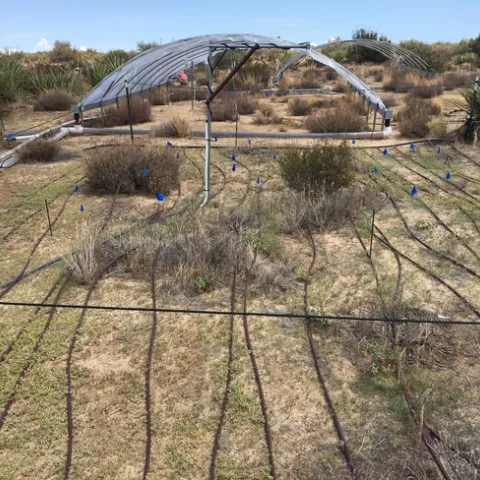
Water Conservation in the Garden By Leonard Cicerello UCCE Master Gardener How can I conserve water in my garden? Dave L. Nipomo An automatic watering system saves water, time, and worry.
View Article
Primary Image
Rob York, holding a water bottle in his right hand, points into the forest with his left hand.
Green Blog: Article

Lessons on wildfire resilience from a 4,000-acre forest lab

February 1, 2022
By Pamela S Kan-Rice
In his years managing California woodlands, Rob York has come up with a few quick and easy ways to gauge whether a forest is prepared for wildfire. The first question I like to ask is, Can you run through the forest?' York says.
View Article
UCCE in Santa Barbara County: Article

Winter/Spring 2022 issue: SB County Bounty

February 1, 2022
This issue contains: Information on our home gardening events A link to the recording of our first Garden Talk of 2022, which covered how to choose and plant bare-root fruit trees A discount code for gardening publications Information on a new UC newsletter for home gardeners We hope to see you in o...
View Article
Primary Image
Egg, five nymphal stages, and adult bed bugs. (Credit: DH Choe)
Pests in the Urban Landscape: Article

Spring Webinar Registration Now Open

February 1, 2022
UC IPM is excited to continue with our monthly urban and community IPM webinars. Webinars cover pest identification, management, and pesticide use around homes and gardens for California residents. Spring webinar registration is now open to the public.
View Article
Primary Image
unnamed
UC Master Gardeners of San Mateo & San Francisco Counties: Article

Firewise Landscaping: Simple Steps to Reduce Your Risk

February 1, 2022
Fire is a real and present danger throughout California. Climate change has brought record periods of drought and excessive heat while decades of fire suppression practices have resulted in overgrown forests.
View Article